
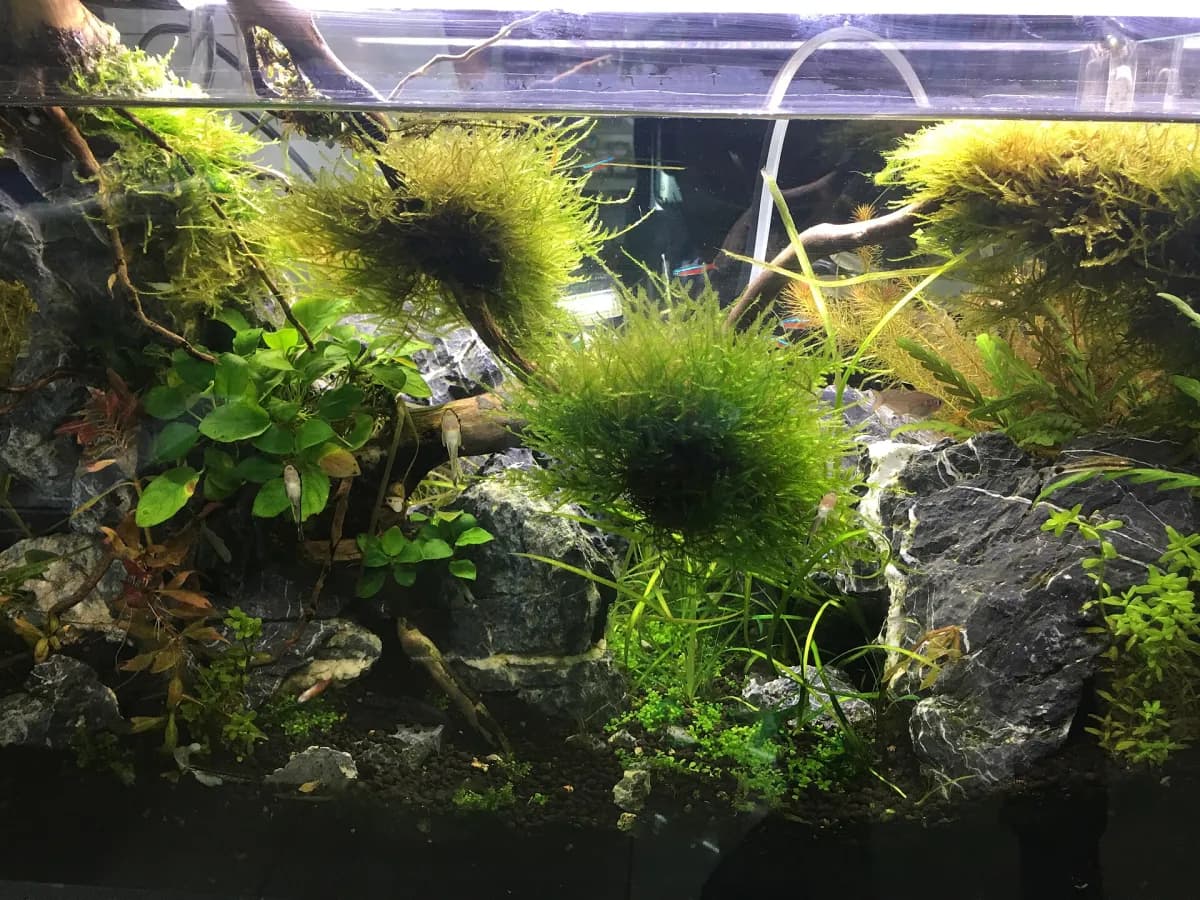
setup
Beginner freshwater aquarium setup
A heated, filtered 20-gallon tank is a kinder first aquarium than a tiny kit. Cycle before you add fish, test your water, and stock slowly.
Read guide →Start with cycling. Then set up a real freshwater tank. Stock it more lightly than the store display. Change water weekly once fish are in.
Enter tank gallons and freshwater or saltwater. Get conservative communities that link to the species pages below, not a ruler.
Set up a first freshwater or saltwater tank, plant it without CO2, and feed the right amount.
setup
A heated, filtered 20-gallon tank is a kinder first aquarium than a tiny kit. Cycle before you add fish, test your water, and stock slowly.
Read guide →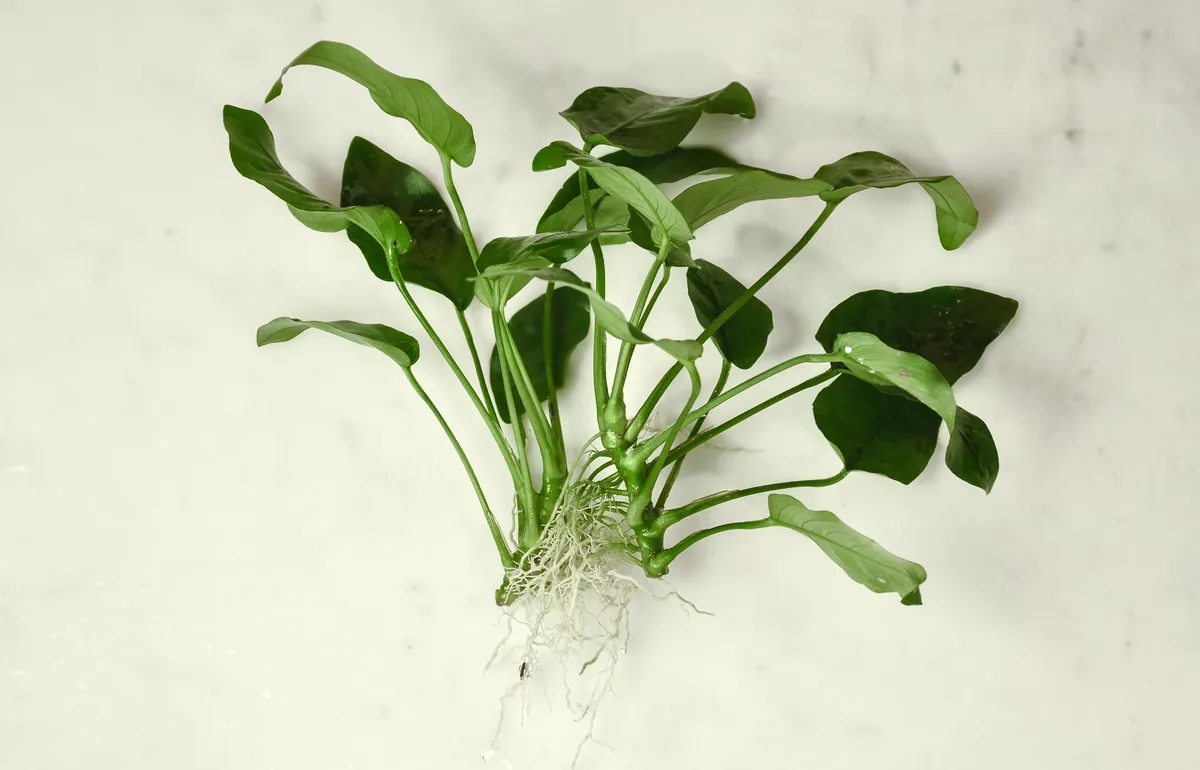
setup
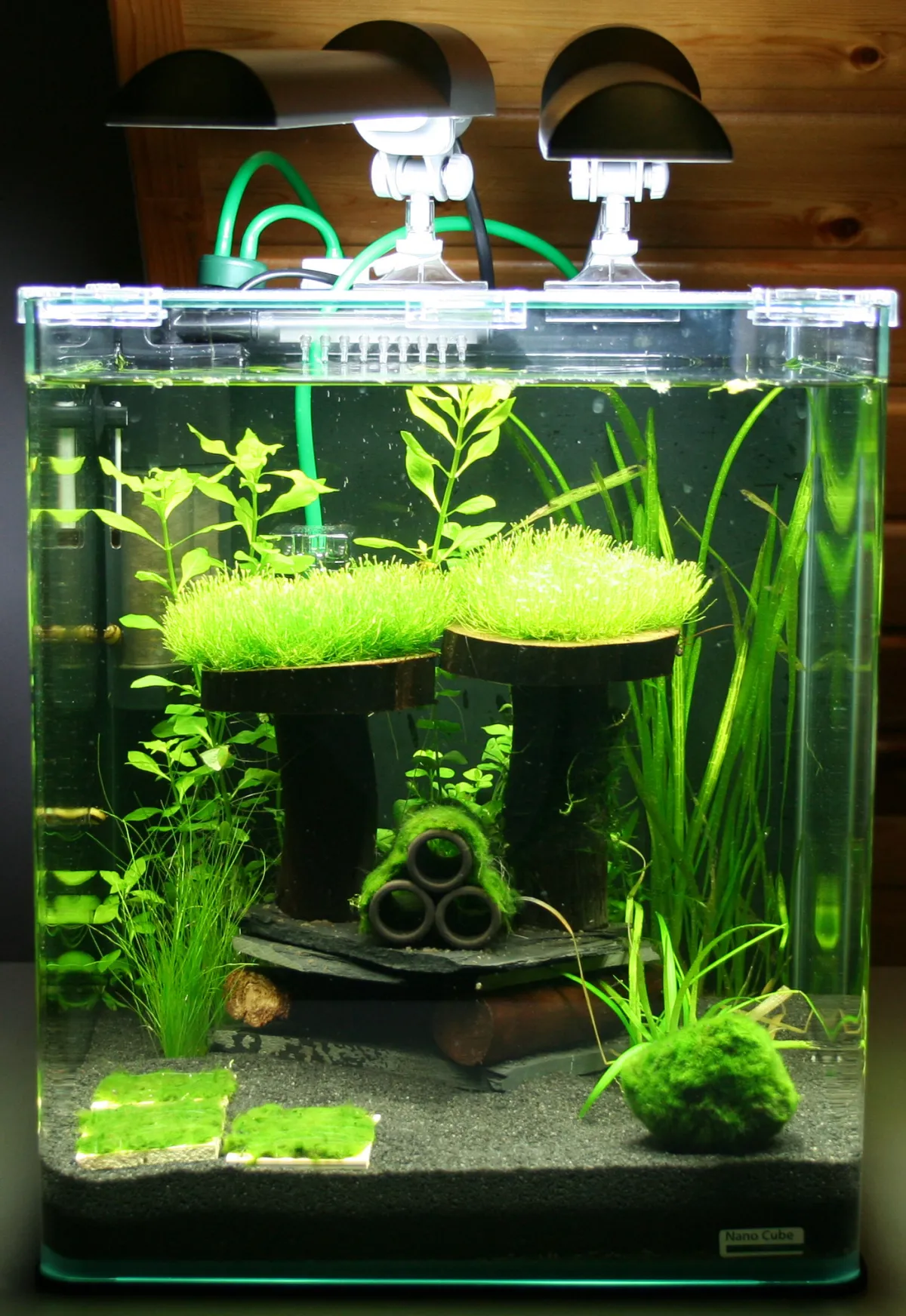
A cycled 10–20 gallon, inert gravel or sand, root tabs under crypts, and epiphytes tied to wood, with 6–8 hours of light on a timer. No pressurized CO2 required.
Read guide →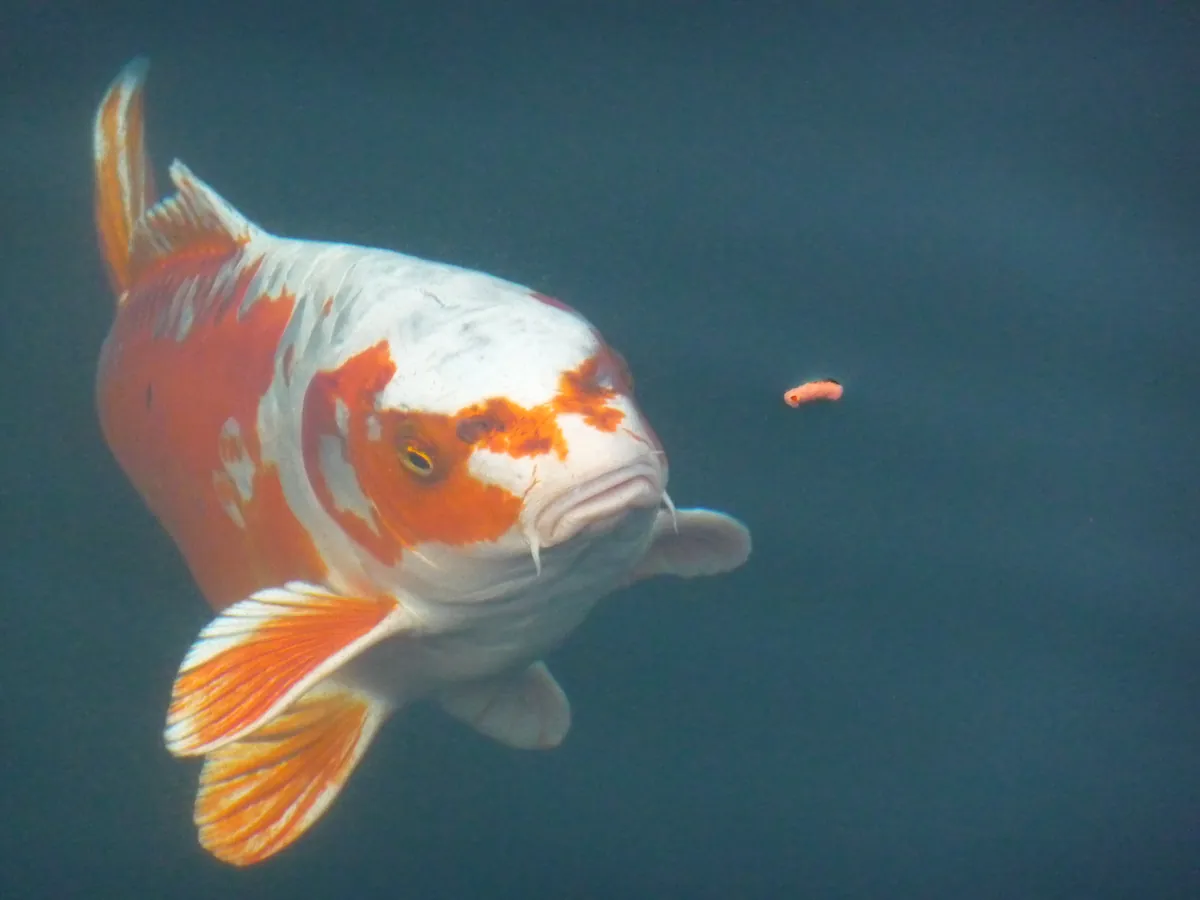
husbandry
Most community fish need a small pinch they finish in about two minutes, once or twice a day. Leftovers become ammonia. Bettas often want one small daily meal. Goldfish and oscars do better on frequent small feeds than one big dump.
Read guide →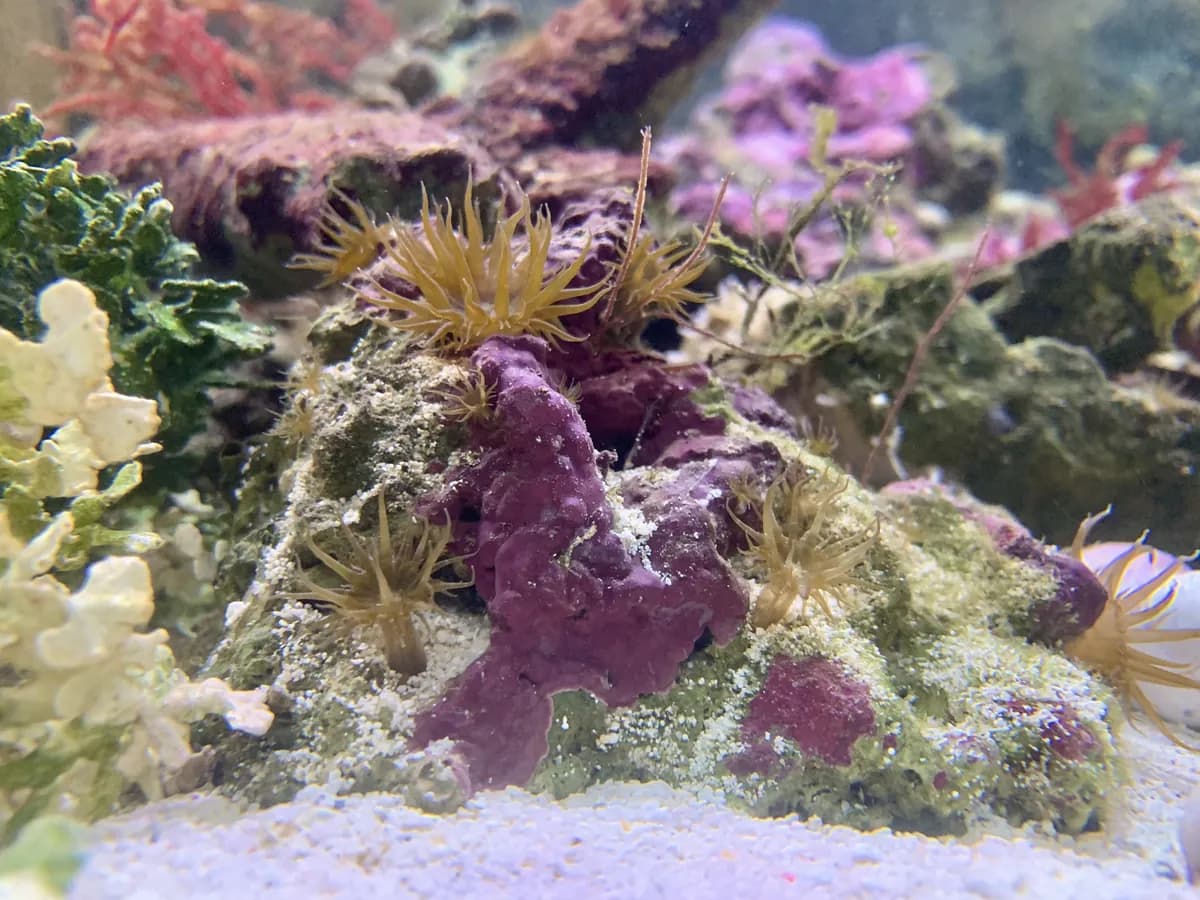
setup
A 20–30 gallon FOWLR tank is an honest floor for a clownfish pair. Same nitrogen cycle as freshwater, plus mixed salt, stable salinity, cured rock, and no livestock until the tank is ready.
Read guide →Cycle before fish, change water weekly, and read your test results.
husbandry
A fishless cycle usually takes 2–6 weeks. You are done when a 2–4 ppm ammonia dose reads 0 ammonia and 0 nitrite within about 24 hours and nitrate is present, not when a calendar or a bottle says so.
Read guide →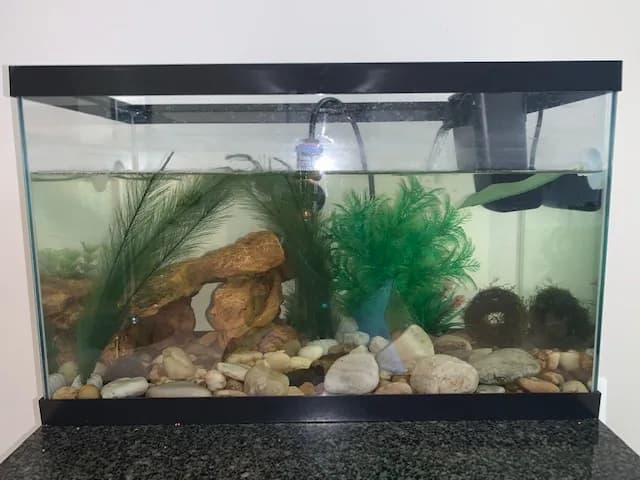
husbandry
Fish dying in the first few weeks usually means ammonia or nitrite from a tank that has not cycled yet. Test today. At 0.25 ppm or more of either, change water, feed less, and test daily until both hold at 0.
Read guide →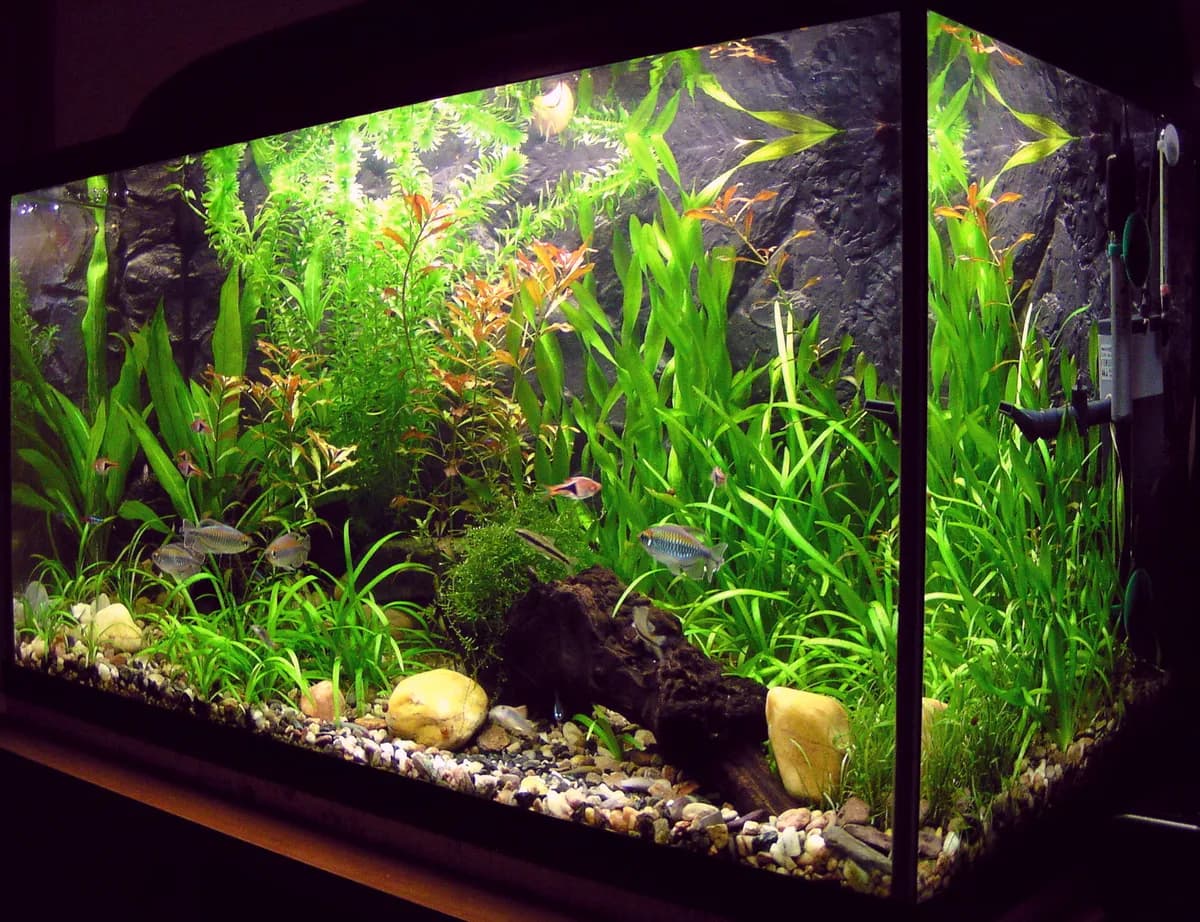
husbandry
A typical community tank wants 25–30% new water each week, gravel-vac'd and temperature-matched. Nitrates under about 20 ppm is the check, not a calendar.
Read guide →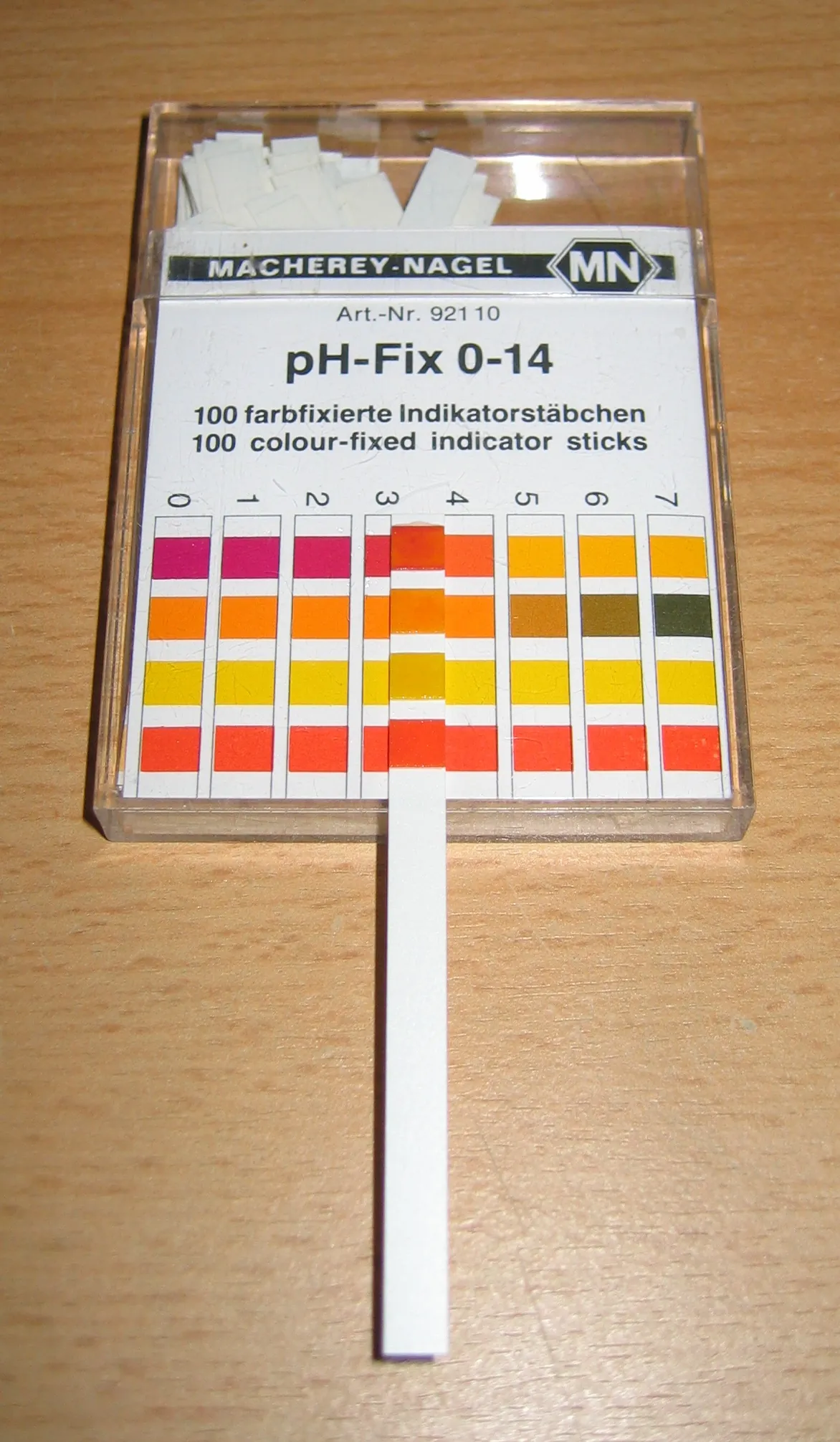
husbandry
GH is calcium and magnesium. KH is the carbonate buffer that stops pH from crashing overnight. Match fish to your tap; do not acid-dose a molly tank toward Amazon numbers.
Read guide →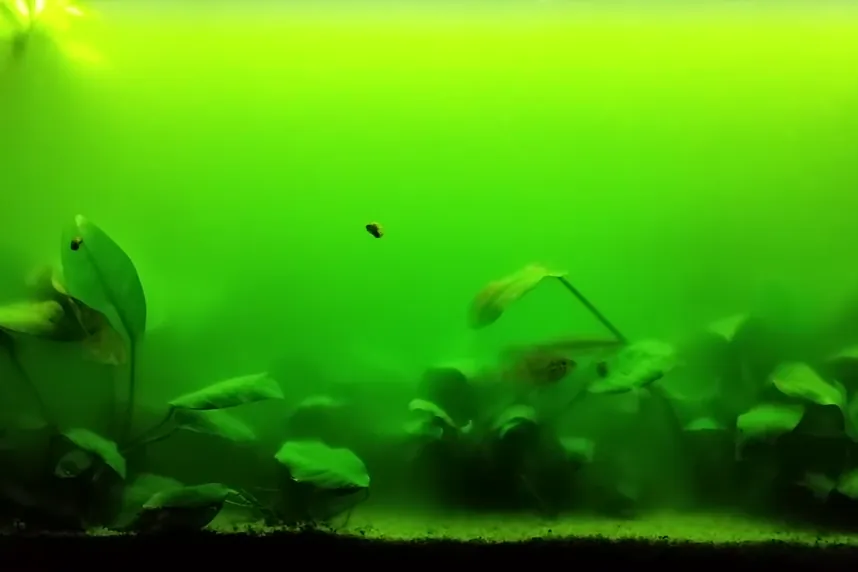
husbandry
Milky new-tank bloom, scaping dust, green water, and surface film look similar until you test. Ammonia or nitrite up means protect the fish with a change; clear nitrogen with a bacterial bloom means wait.
Read guide →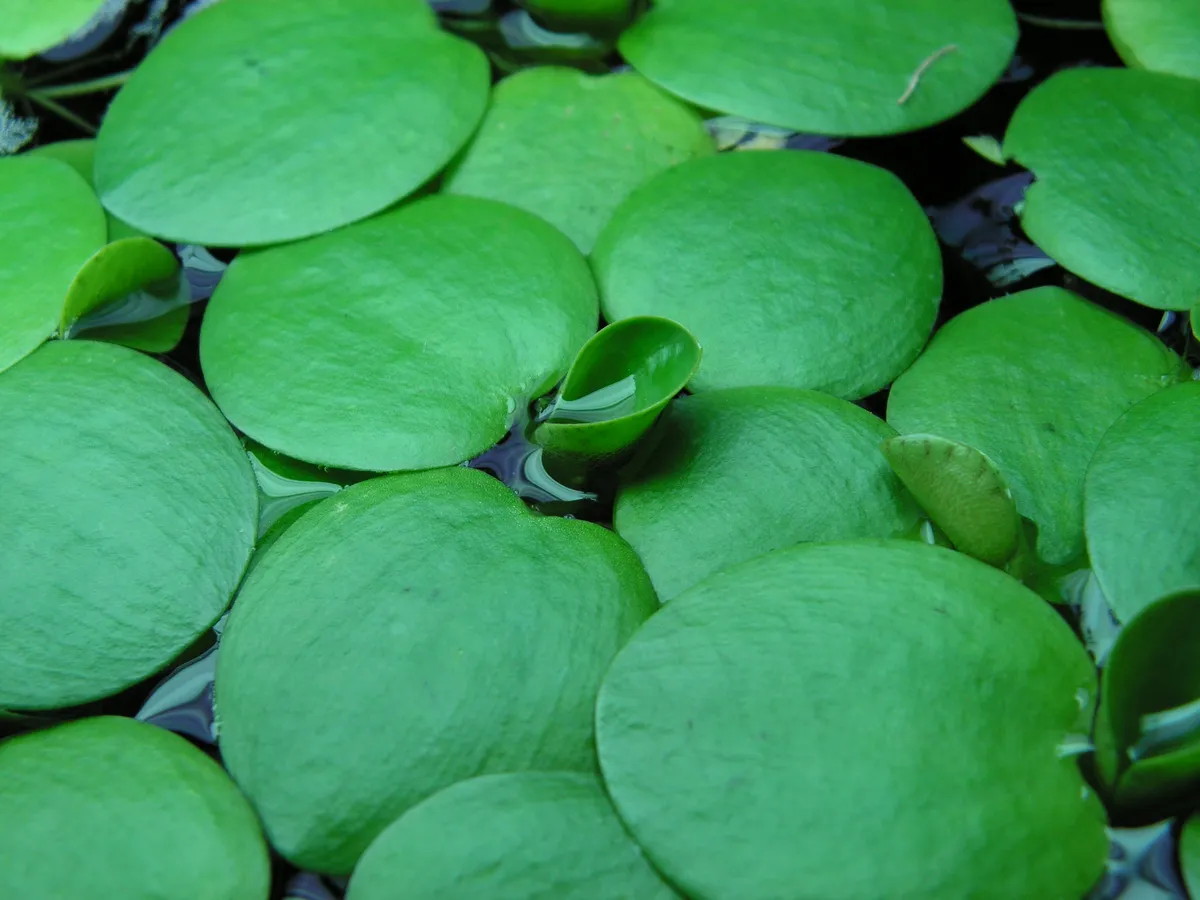
husbandry
Keep nitrate under 20 to 40 ppm. A water change is the fastest fix, and a 50% change cuts the reading roughly in half. Then test your tap water, feed less, vacuum the gravel, add fast plants, and check your stocking.
Read guide →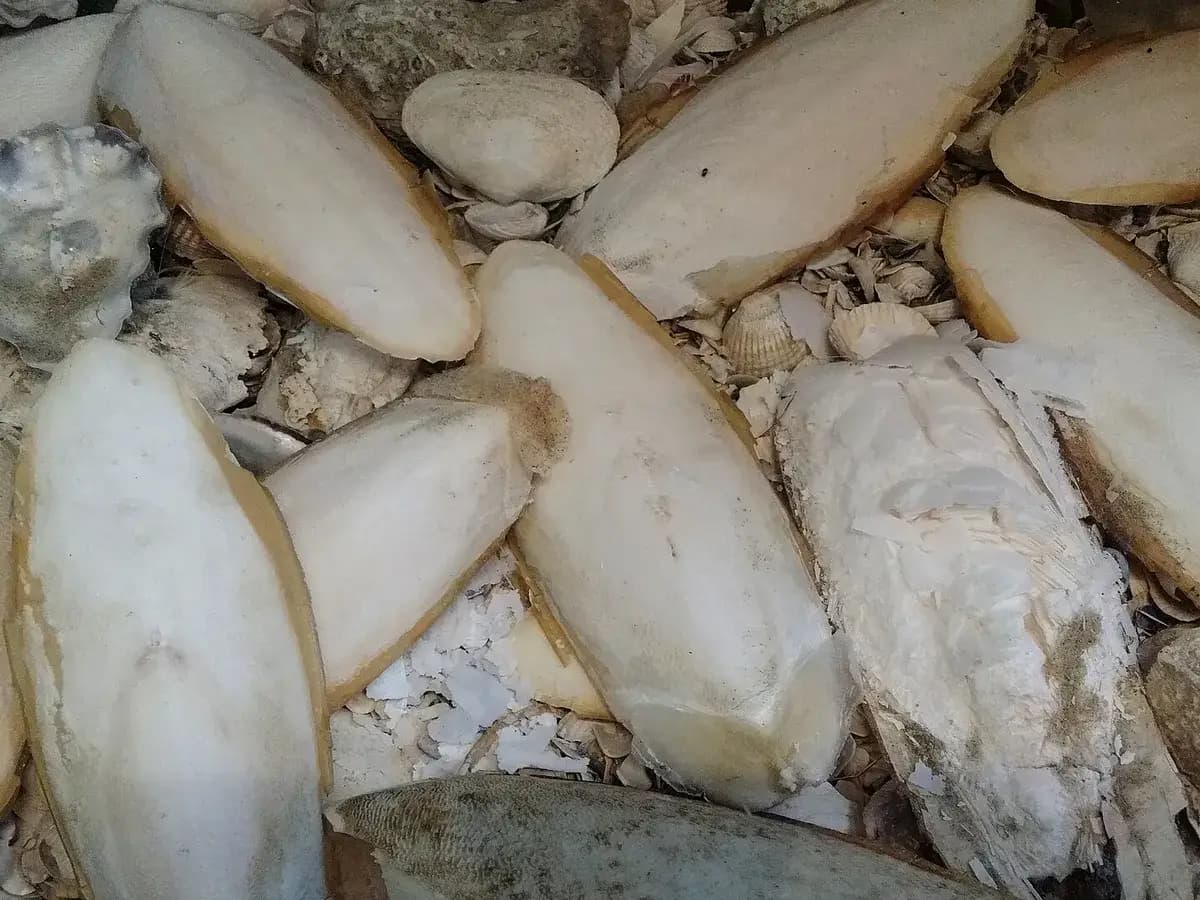
husbandry
Test GH and KH first so you know which one is low. Crushed coral in the filter raises both slowly, cuttlebone feeds snail shells, a remineralizer rebuilds RO water, and a small baking soda dose adds KH. Go up no more than about 2 degrees a day.
Read guide →See what fits in a 5, 10, 20, 29, 40, or 55-gallon tank, and what can share a tank with a betta.
stocking
A 10-gallon tank fits one honest lane: a betta, a shrimp colony, or a small school. Not a stuffed community. Cycle first, heat with about 50W, and skip inch-per-gallon.
Read guide →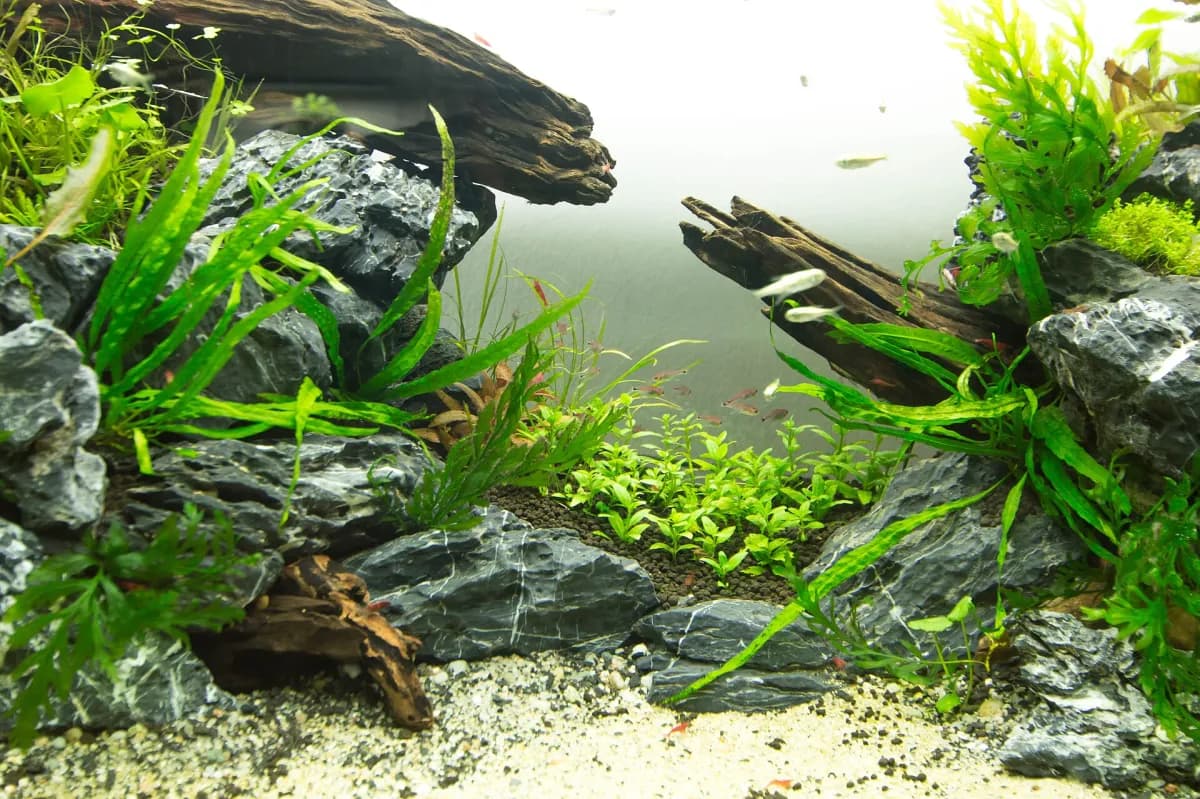
stocking
20 gallon long stocking ideas that work: a midwater school plus bottom dwellers on sand, a livebearer group, or a betta centerpiece. Prefer the long footprint. Cycle first. Skip inch-per-gallon.
Read guide →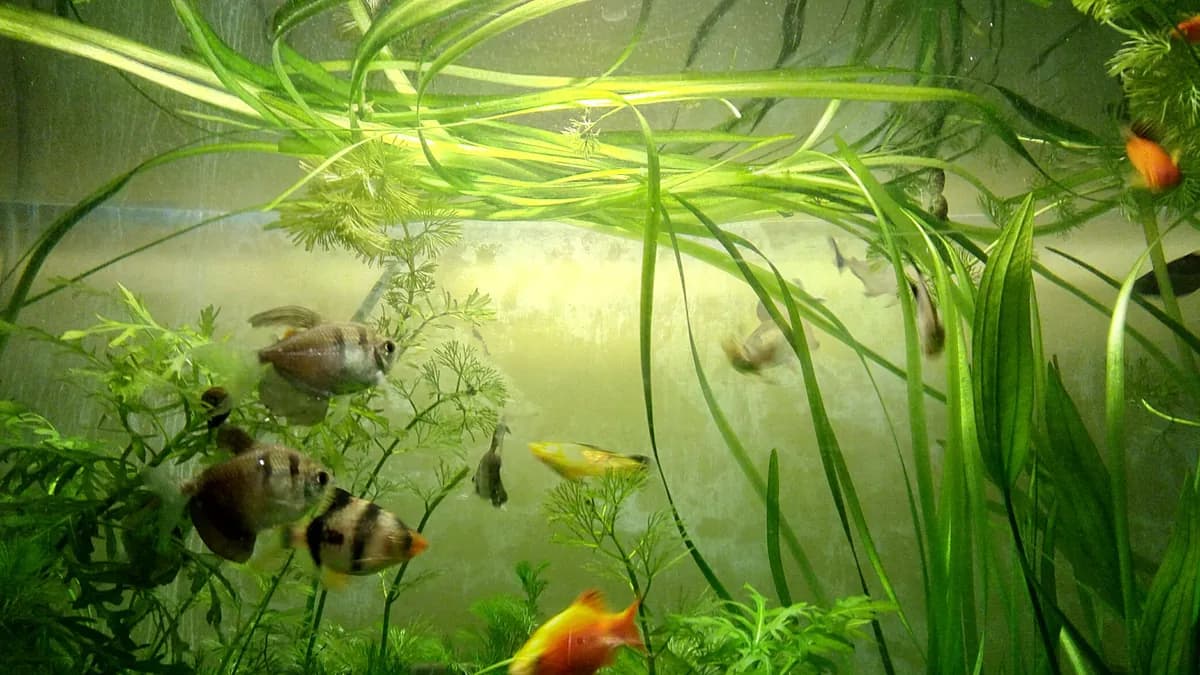
stocking
A 29 is the next honest step after a 20. Inch-per-gallon is still a myth. Pick one community plan: honey gourami centerpiece, hard-water livebearers, or a single adult bristlenose with a midwater school.
Read guide →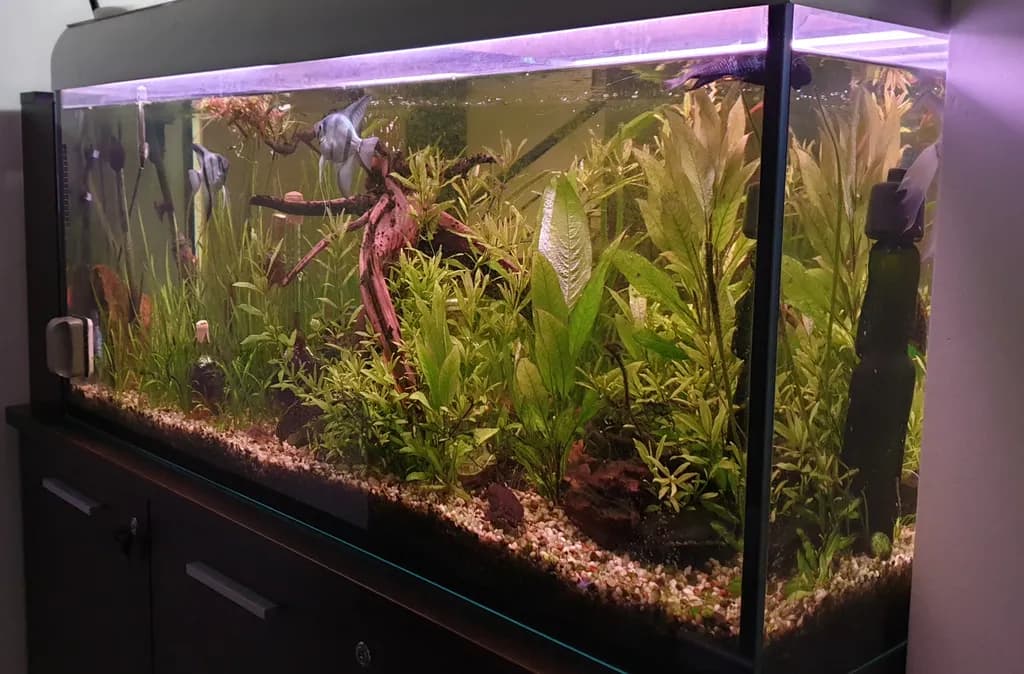
stocking
A 40 breeder is 36 by 18 inches of floor, which makes it the best tank for bottom fish at its price. Three stocking plans that pass the calculator: a Bolivian ram pair over cardinals and cories, a pearl gourami trio with harlequins and kuhlis, or a hard-water swordtail and platy tank.
Read guide →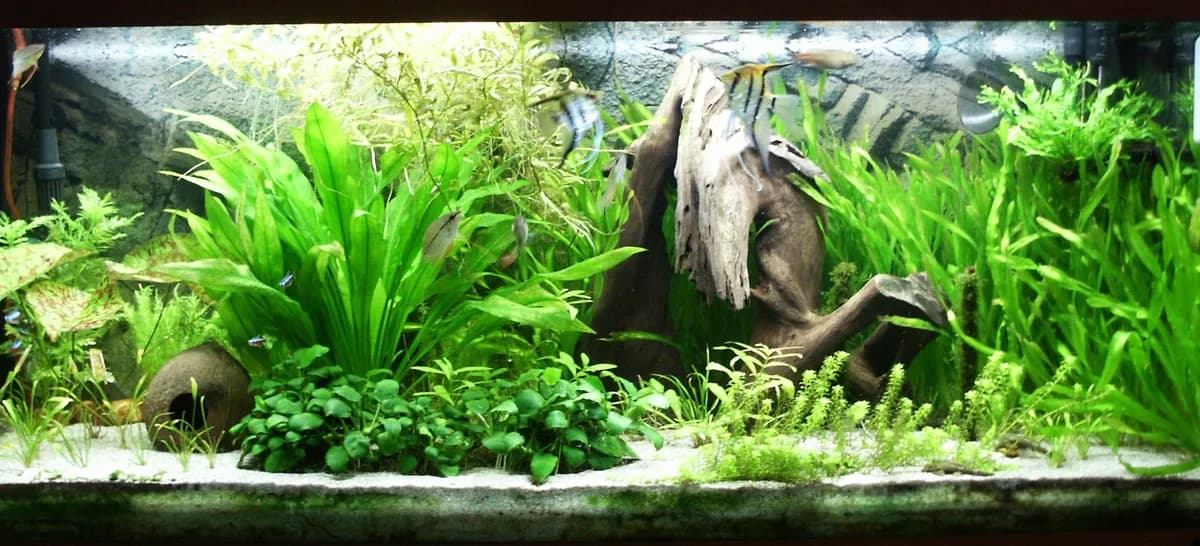
stocking
A 55 is 48 inches long, about 13 inches front to back, and 21 inches tall. That height suits angelfish and the length suits fast swimmers, but the narrow floor leaves less room for fish that hold territory. Three plans that pass the calculator, with fish counts, filter and heater sizes.
Read guide →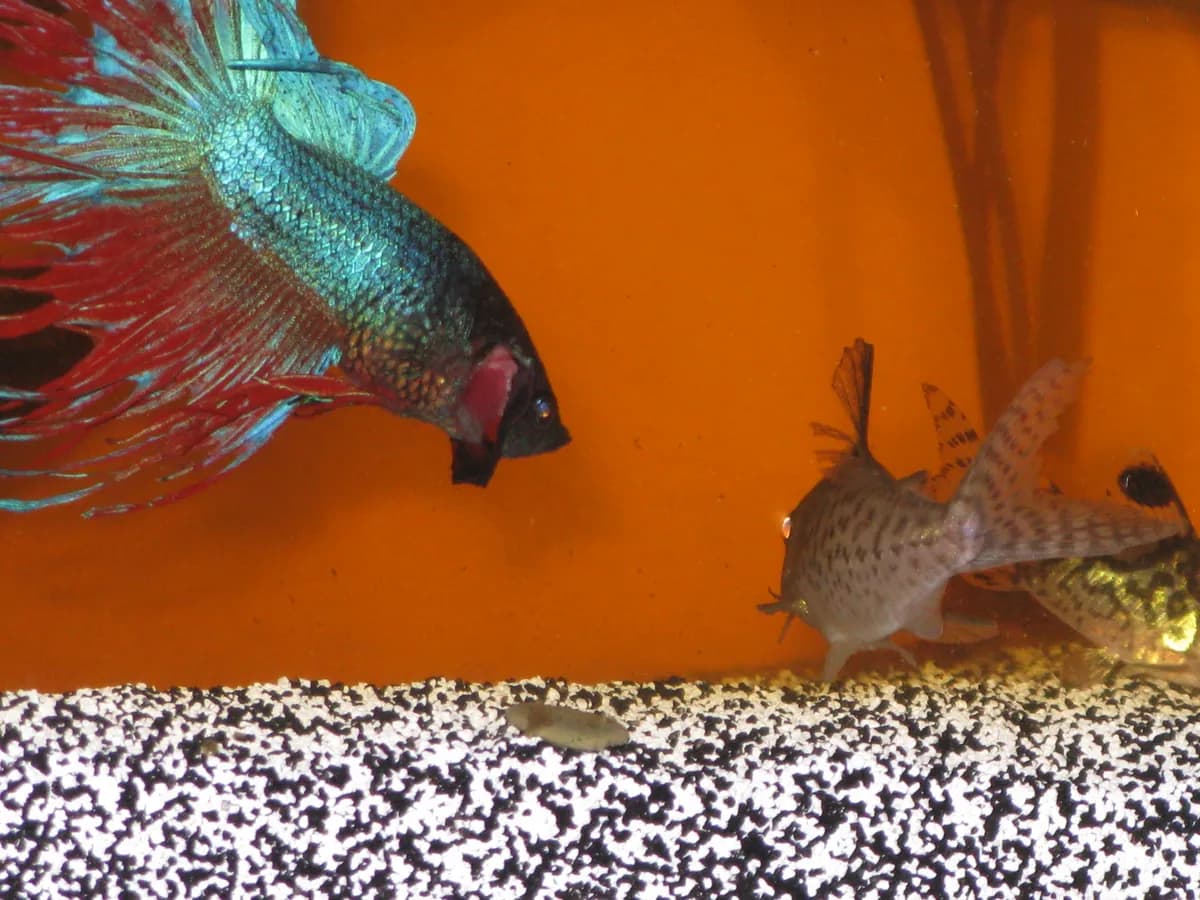
stocking
Many male bettas do best alone in a heated, filtered 5–10+. Community is a maybe: snails, a calm 20-gallon school, or a female sorority if you accept the risk. Watch for flaring and fin nipping.
Read guide →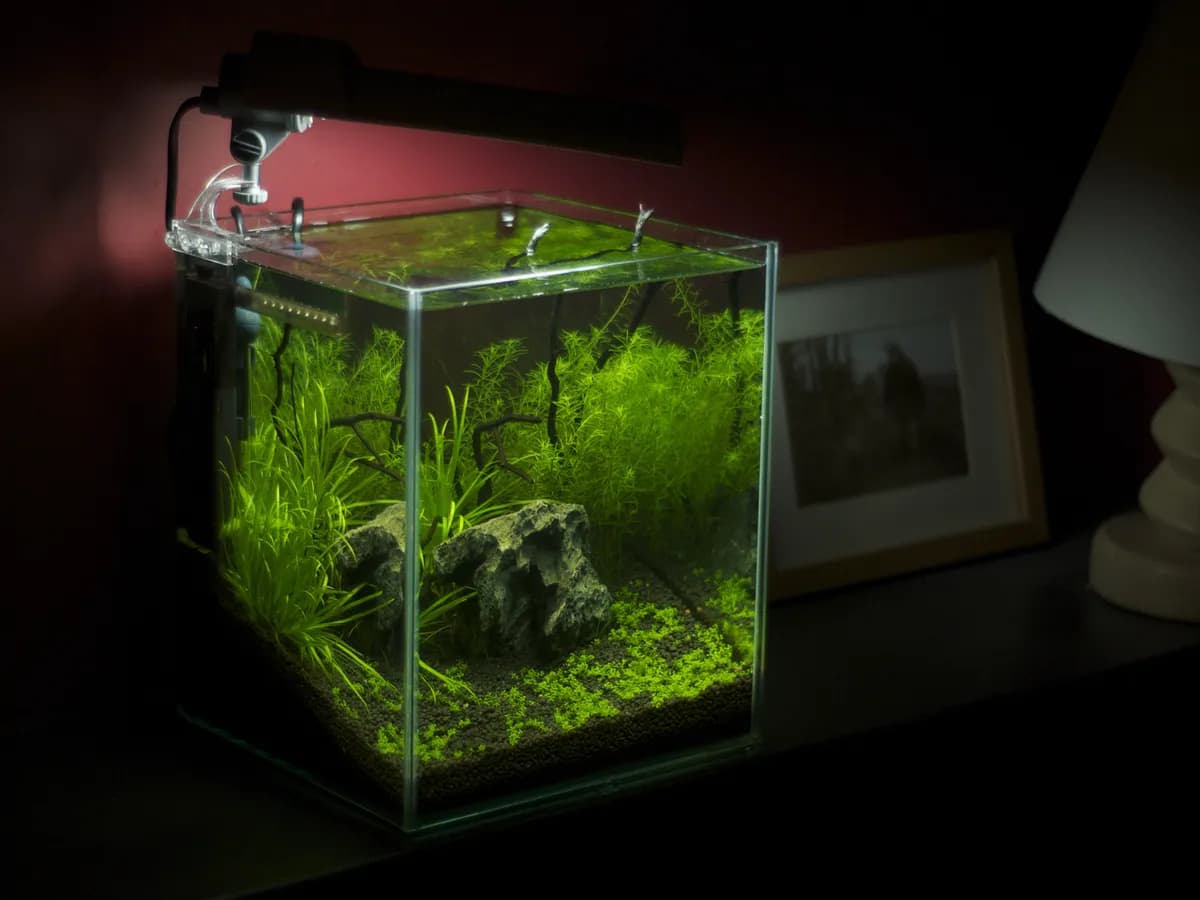
stocking
A 5-gallon tank holds one betta, or a colony of cherry shrimp, or a single snail. It does not hold a school. Here is what fits, what to skip, and the gear that keeps a small tank steady.
Read guide →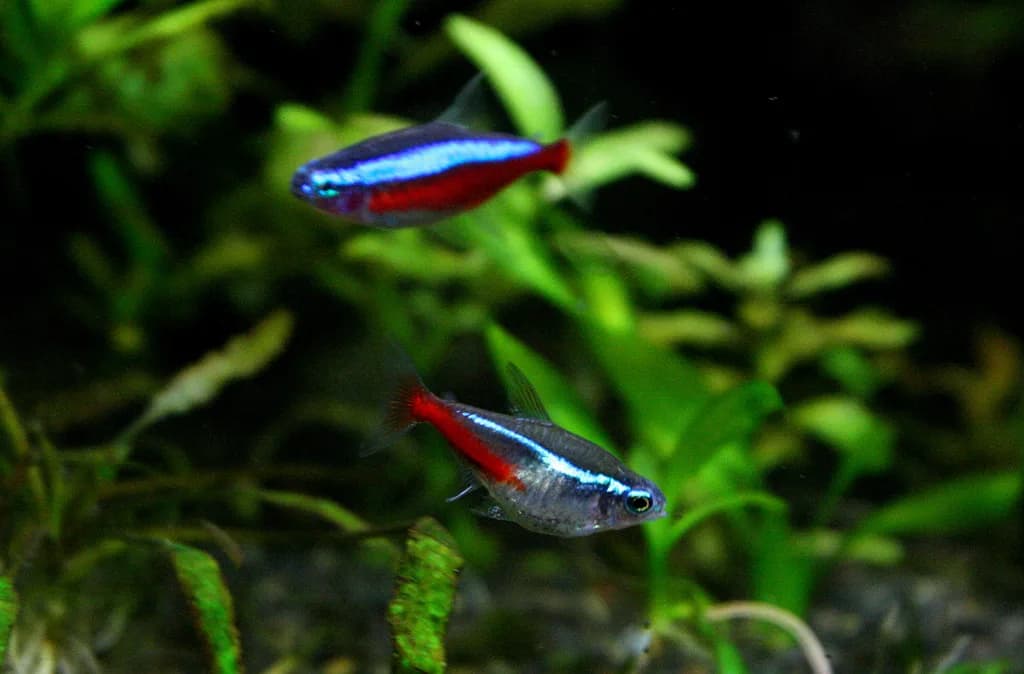
stocking
Check the belly. On a cardinal tetra the red runs from the head to the tail. On a neon it covers only the back half. Cardinals also grow a little bigger, want warmer and softer water, need a 20-gallon for their school, and are mostly wild-caught. Neons are farm-bred, cheaper, and fine in a cooler 10 or 20.
Read guide →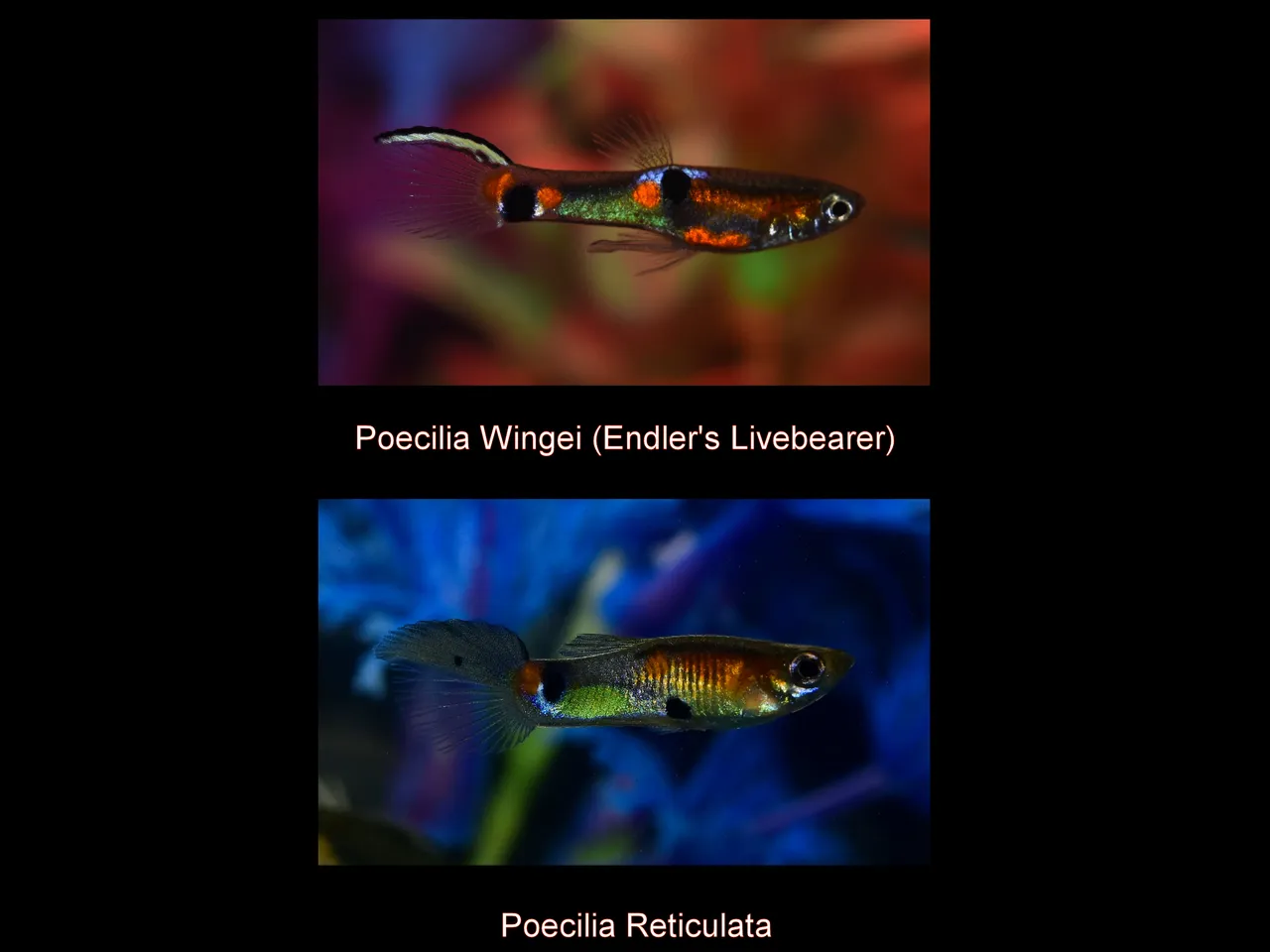
stocking
A male Endler is about an inch long, with a slim body, a short tail, and often a black bar or spot in the middle of the flank. A male guppy is half again as big and usually carries a much larger tail. Both want the same hard, warm water, and they crossbreed, so keep them in separate tanks if you want pure fish of either kind.
Read guide →Treat ich and fin rot, quarantine new fish and plants before they go in the tank, and clear out pest snails.
husbandry
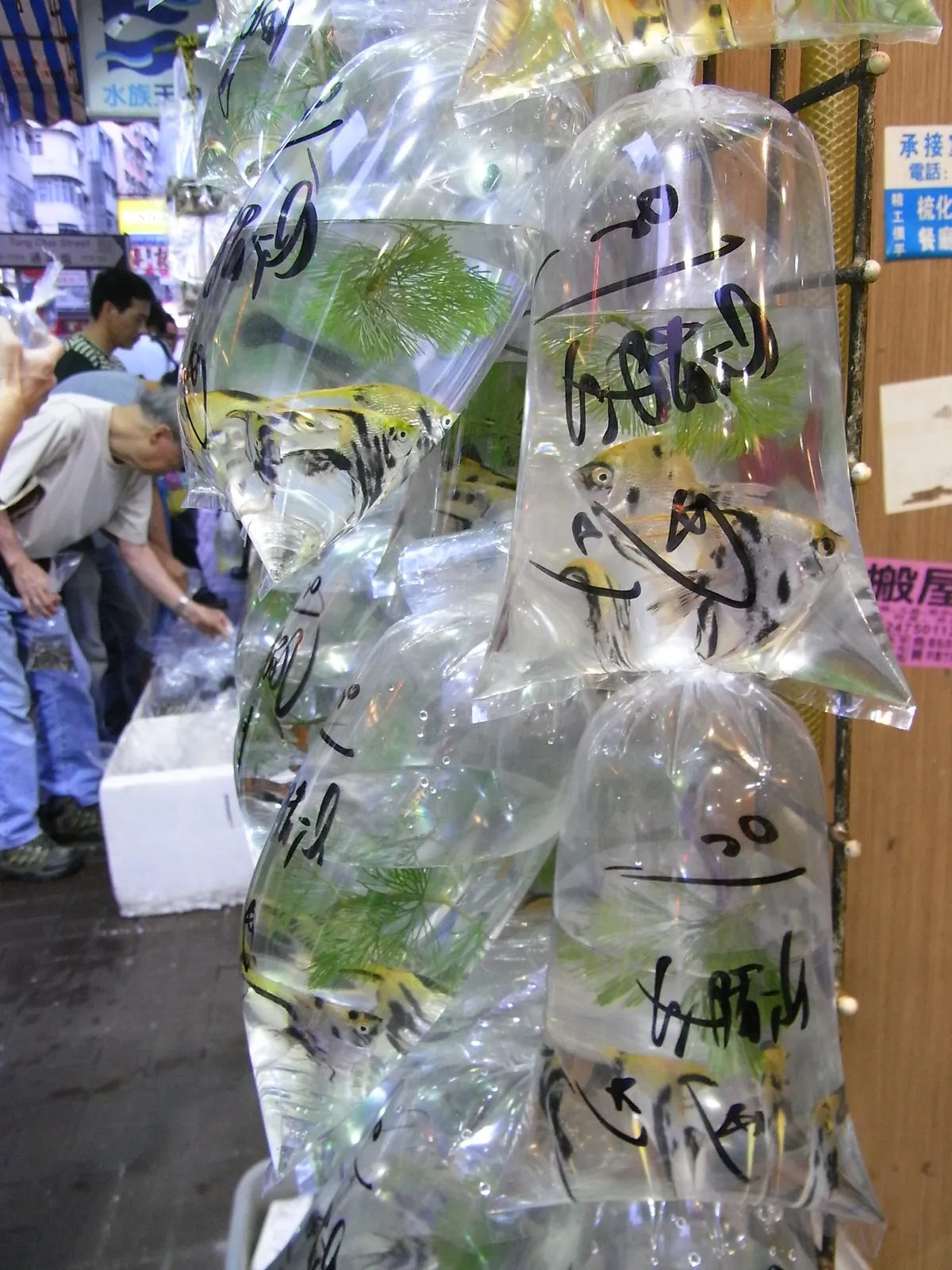
A bare-bottom 10–20 gallon with a seeded sponge, heater, and lid. Observe two to four weeks, acclimate properly, and treat only when you see a problem, not a medication cocktail on day one.
Read guide →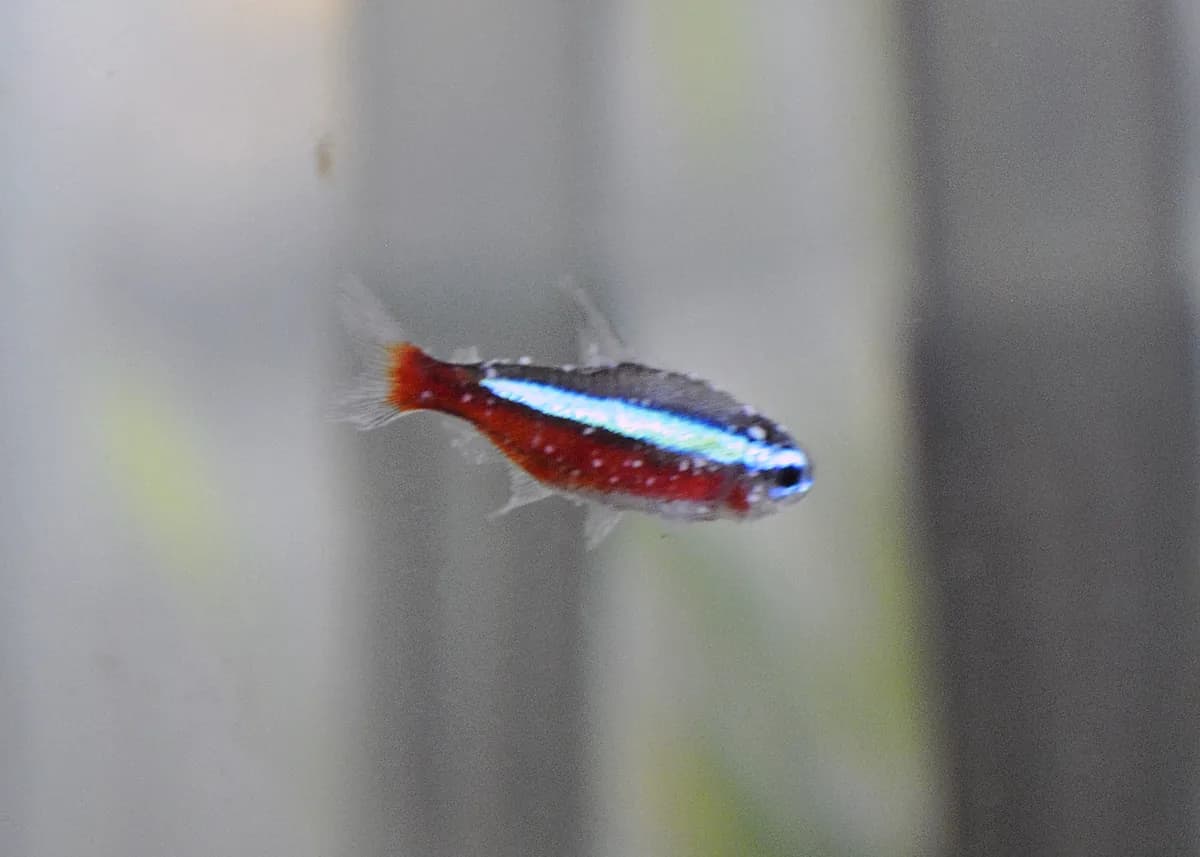
husbandry
To treat ich, also called white spot disease, test the water, pull the carbon out of the filter, and dose one malachite-green or formalin ich medication for your real gallon count. Raise the heat into the upper 70s to low 80s F only if your fish can take it, and add air when you do. Keep treating for several days after the last white spot is gone, or it comes back.
Read guide →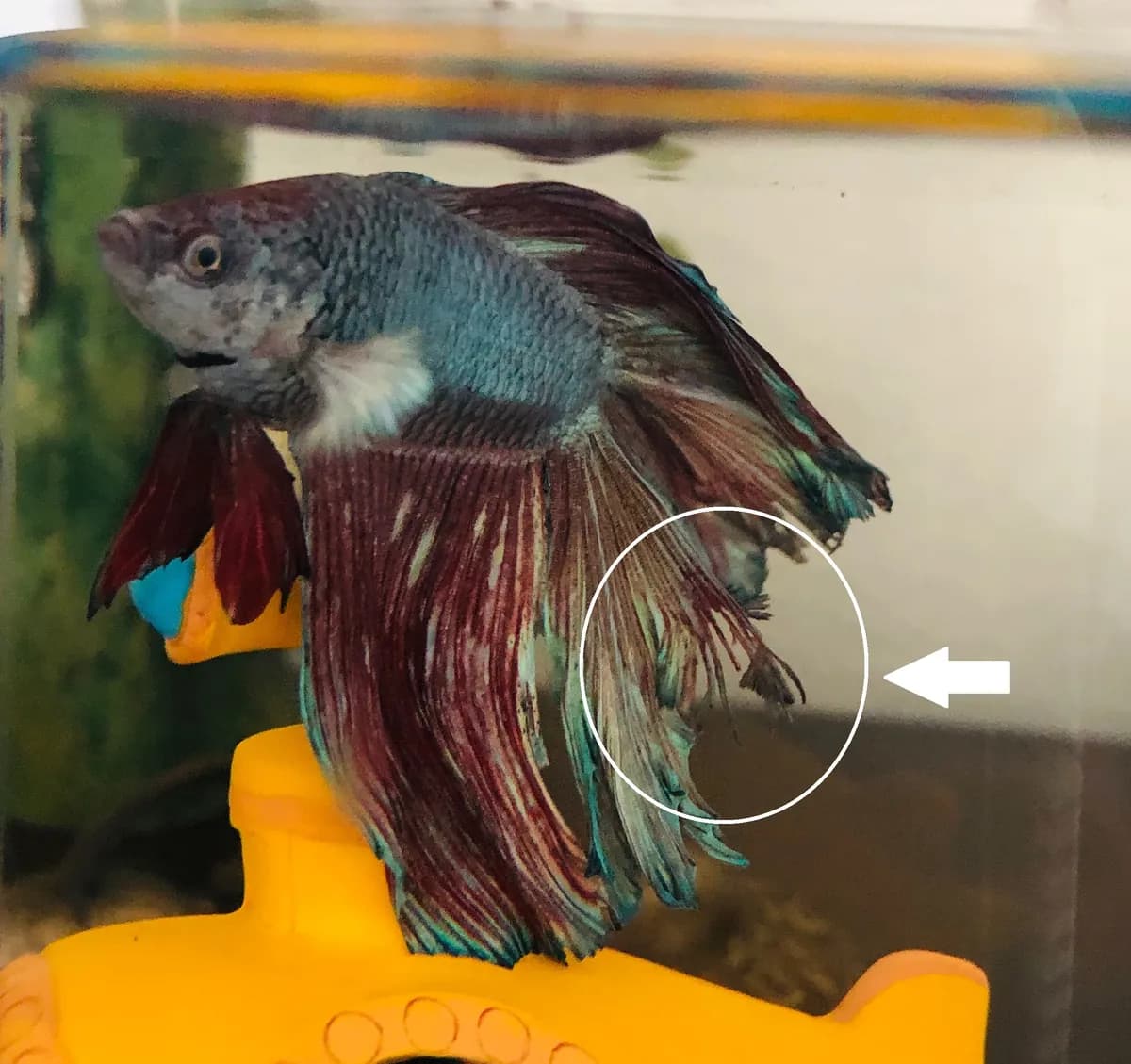
husbandry
Ragged, shrinking, sometimes white-edged fins. Test first. Ammonia, nitrite, or filthy gravel usually starts it. Fix water, stop nipping, then medicate only if the infection is still advancing.
Read guide →
husbandry
Keep bladder snails, planaria, and hydra out of shrimp tanks and clean scapes. Dip tough plants in dilute bleach or alum, skip the harsh dip on moss and fine stems, and observe in a separate tub before they share water with the display.
Read guide →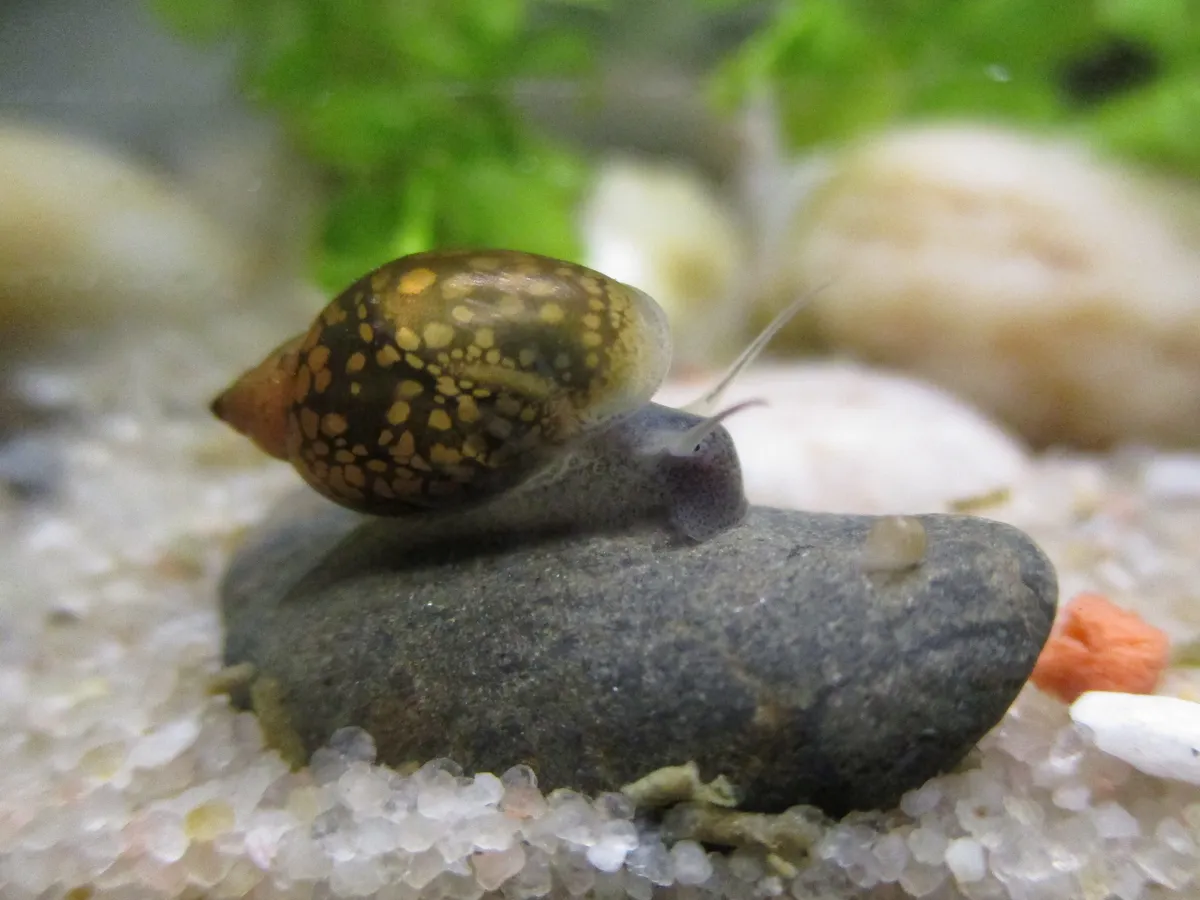
husbandry
Bladder, ramshorn, and Malaysian trumpet snails come in on plants and multiply on leftover food. Feed less first, then trap them overnight and pick them off by hand. Assassin snails help over a few months. Copper snail killers also kill shrimp and the snails you wanted.
Read guide →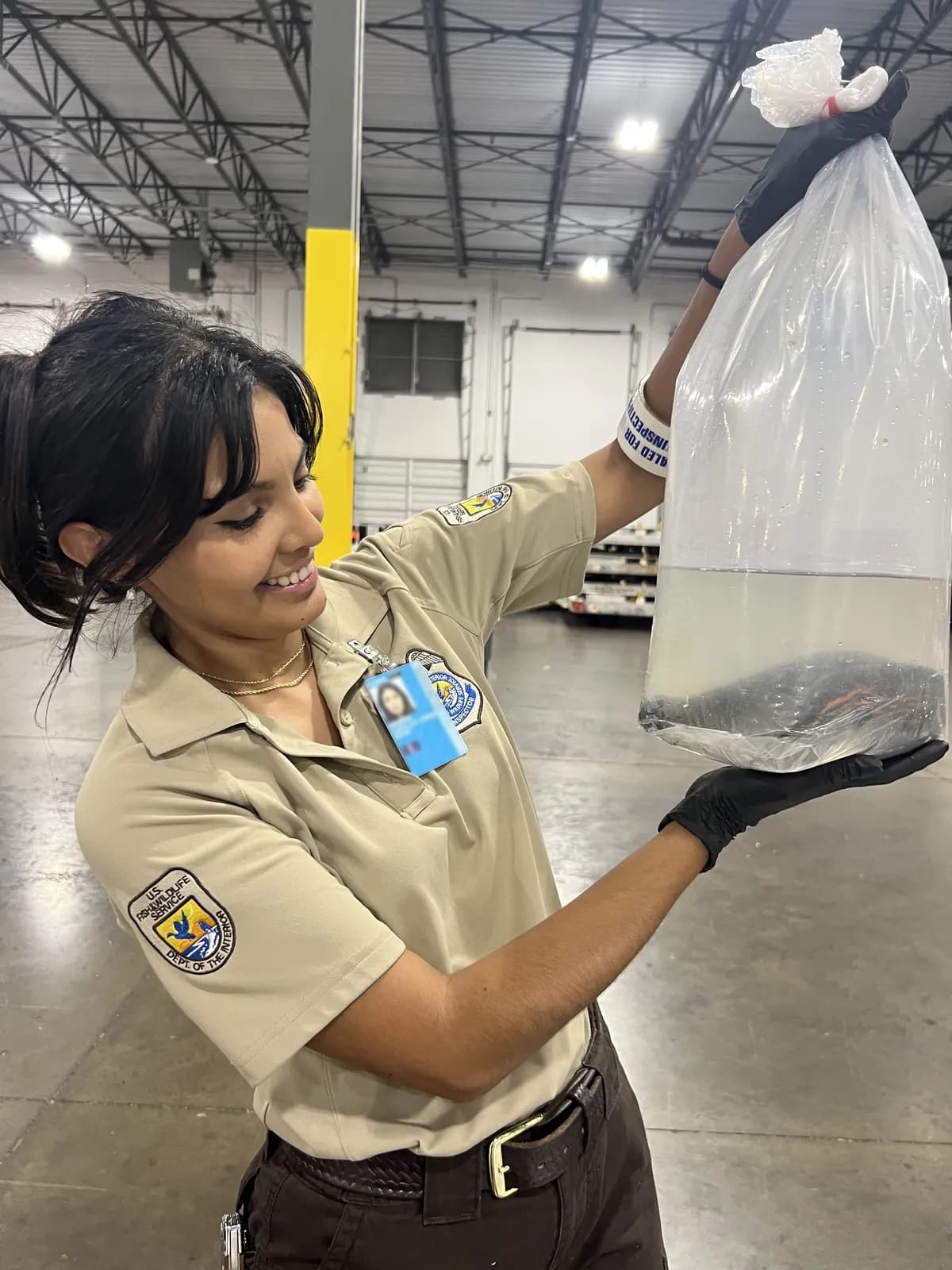
husbandry
Float the closed bag for 15 to 20 minutes with the tank light off. Most community fish can then be netted straight in. Drip shrimp, saltwater fish, and anything from water much softer or harder than yours over 45 to 60 minutes. The bag water never goes in the tank.
Read guide →Find out why algae grows, how to cut it back, and which algae eater you have.
husbandry
Brown diatoms, green spot on glass, hair and thread algae, and black beard are surface problems. Fix photoperiod, feeding, and water changes first. Livestock comes after those levers, never instead.
Read guide →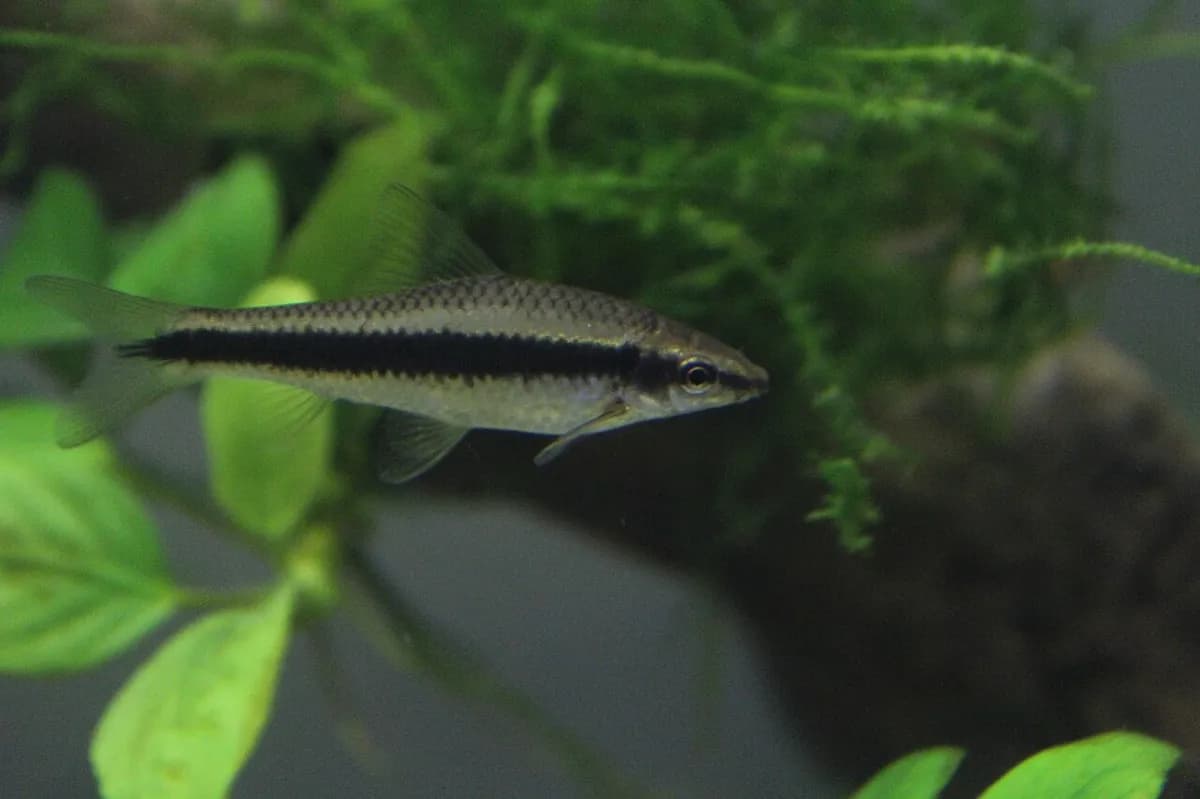
husbandry
A true Siamese algae eater has a clean black stripe that runs all the way into the tail fork, tops out around 6 inches, and keeps grazing as an adult. A Chinese algae eater has a sucker mouth, reaches 10 to 11 inches, and often quits algae for the slime coat on slow tankmates. Check the stripe and the mouth before the fish goes home.
Read guide →Pick sand or gravel here. Heaters, filters, and test kits have their own gear pages.
setup
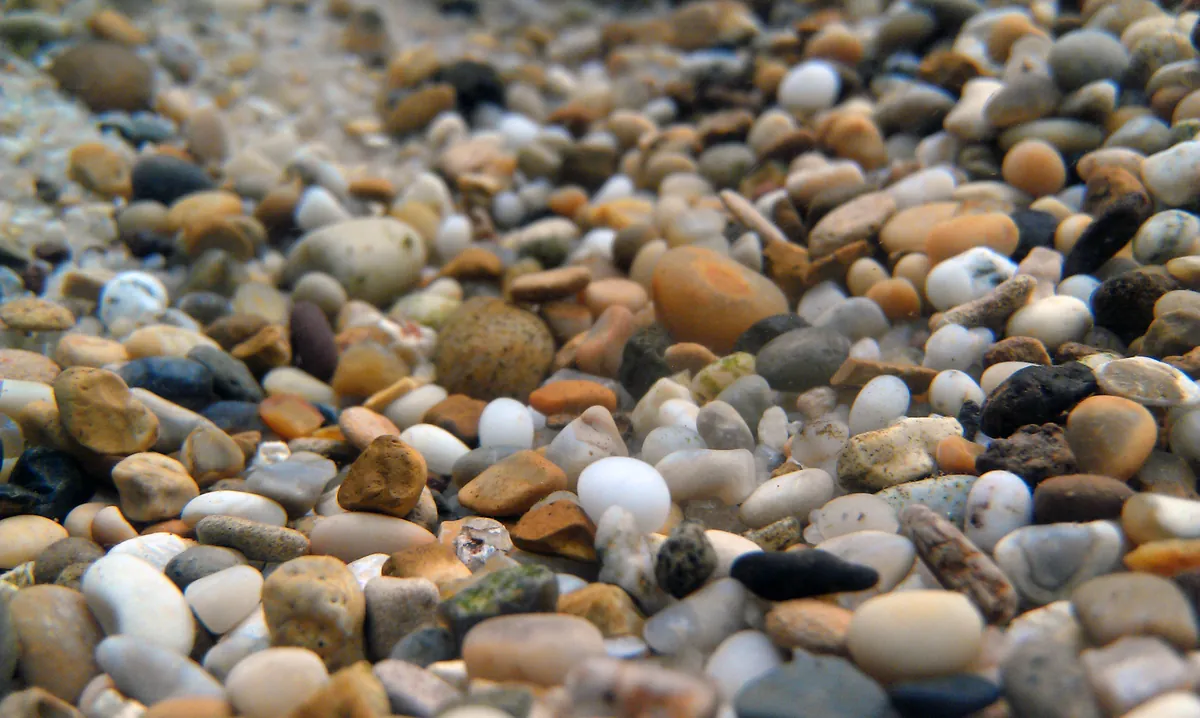
Gravel for easy siphoning and visible debris. Fine aquarium sand for cories, kuhlis, and other diggers. Either works for low-tech plants with root tabs. Skip play sand and blasting sand.
Read guide →