
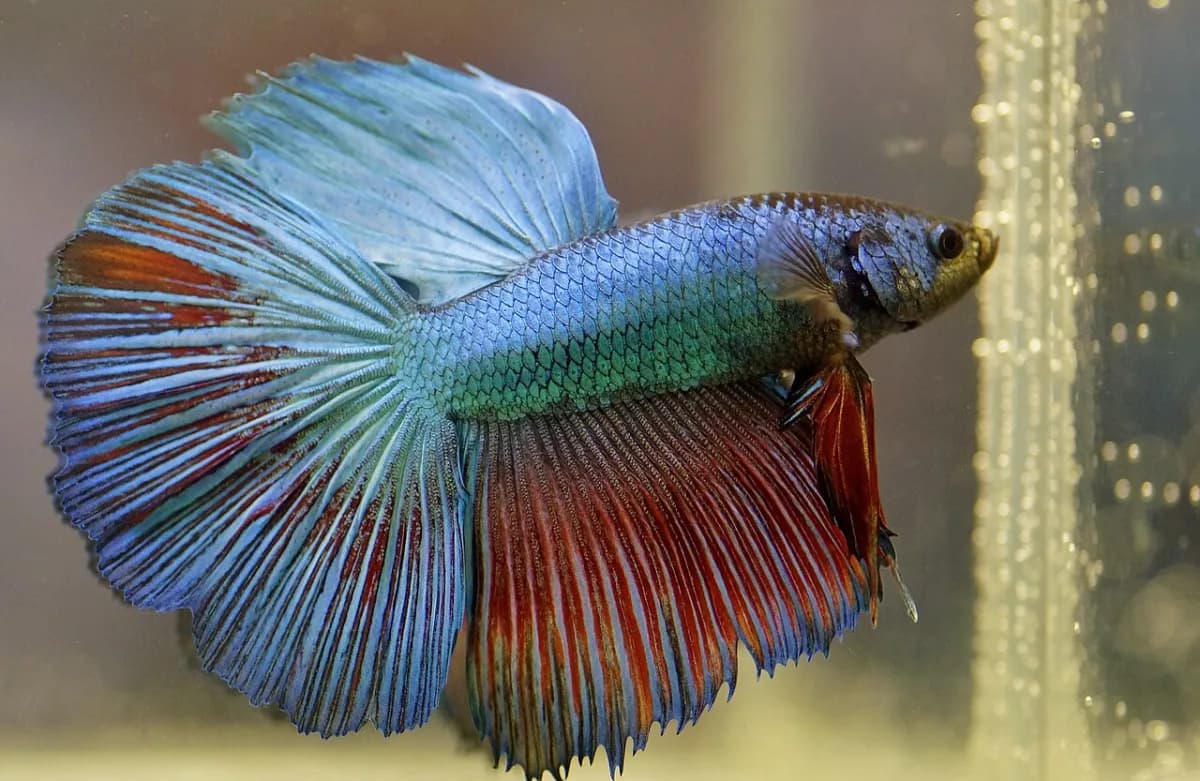
Freshwater · Beginner
Betta
Betta splendens
Bettas are labyrinth fish that breathe from the surface, but they still need a heated, filtered aquarium, not a vase. A 5-gallon tank is a minimum for a single male.
Min. tank: 5 gal
Care notes →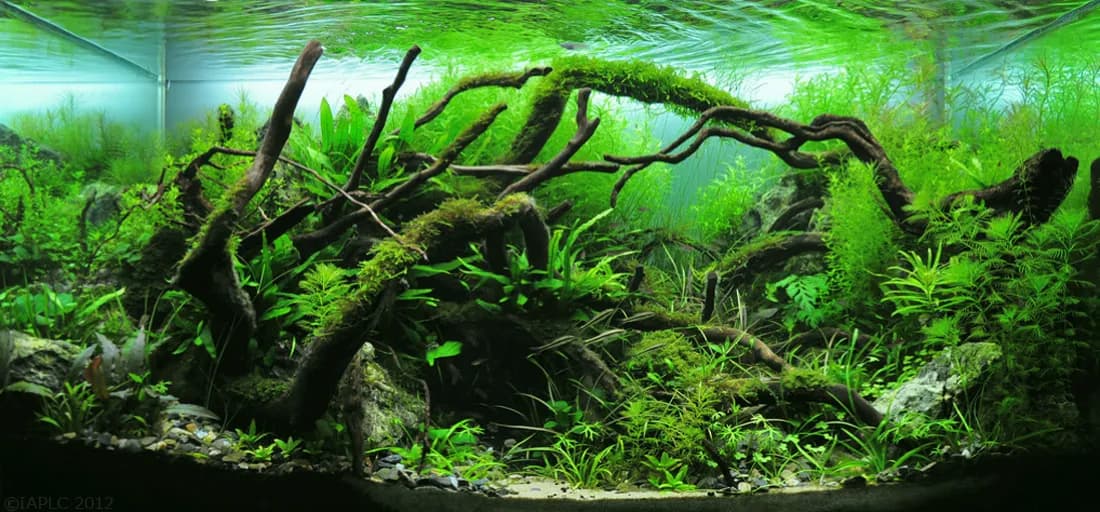
Swimming Fishies.com · aquarium hobby
Species profiles, setup guides, and gear notes. Tank sizes match adult fish, not bowls and not the impulse livestock at the store.
Photo: Duc Viet Bui · CC BY-SA 4.0
Bettas, tetras, livebearers, cories, and the coldwater truth about goldfish. Start with a cycled, heated tank that matches adult size.
Clownfish and firefish can work in modest marine tanks. Yellow tangs need room to graze. Same nitrogen cycle, plus salinity.
Freshwater · Beginner
Betta splendens
Bettas are labyrinth fish that breathe from the surface, but they still need a heated, filtered aquarium, not a vase. A 5-gallon tank is a minimum for a single male.
Min. tank: 5 gal
Care notes →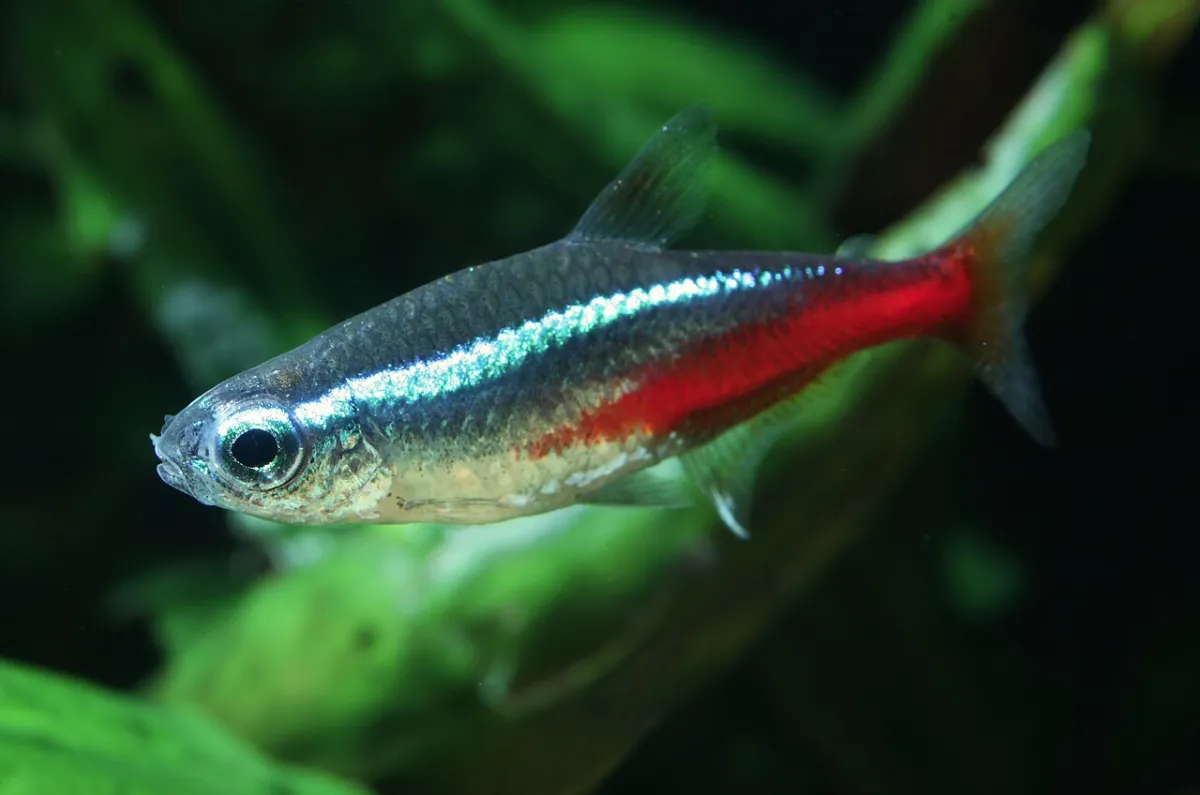
Freshwater · Beginner
Paracheirodon innesi
Neon tetras are small Amazonian schoolers that look their best in a planted 10-gallon (or larger) tank with a proper group, dimmer light, and stable, clean water.
Min. tank: 10 gal
Care notes →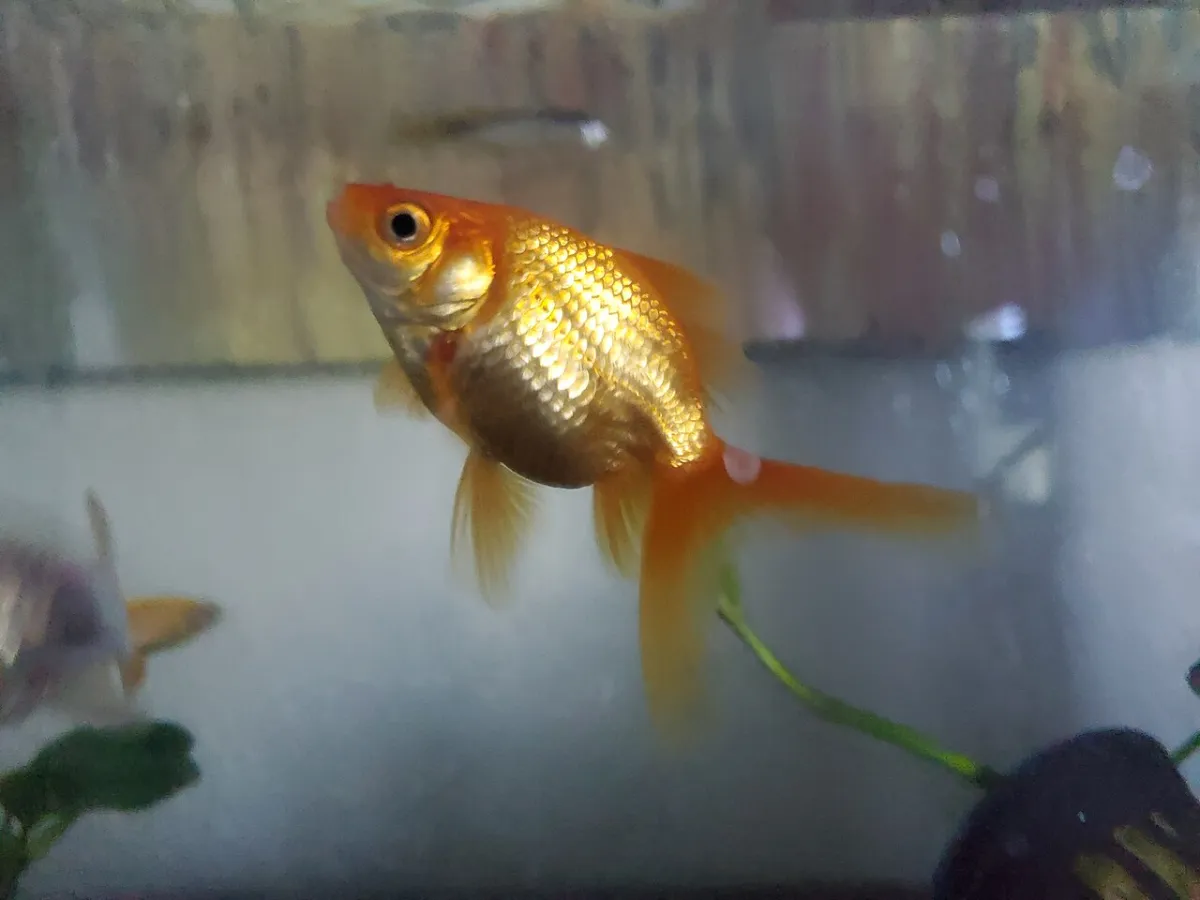
Freshwater · Intermediate
Carassius auratus
Goldfish are coldwater carp, not bowl ornaments. Fancy strains need tens of gallons and strong filtration; single-tail commons belong in very large tanks or ponds.
Min. tank: 30 gal
Care notes →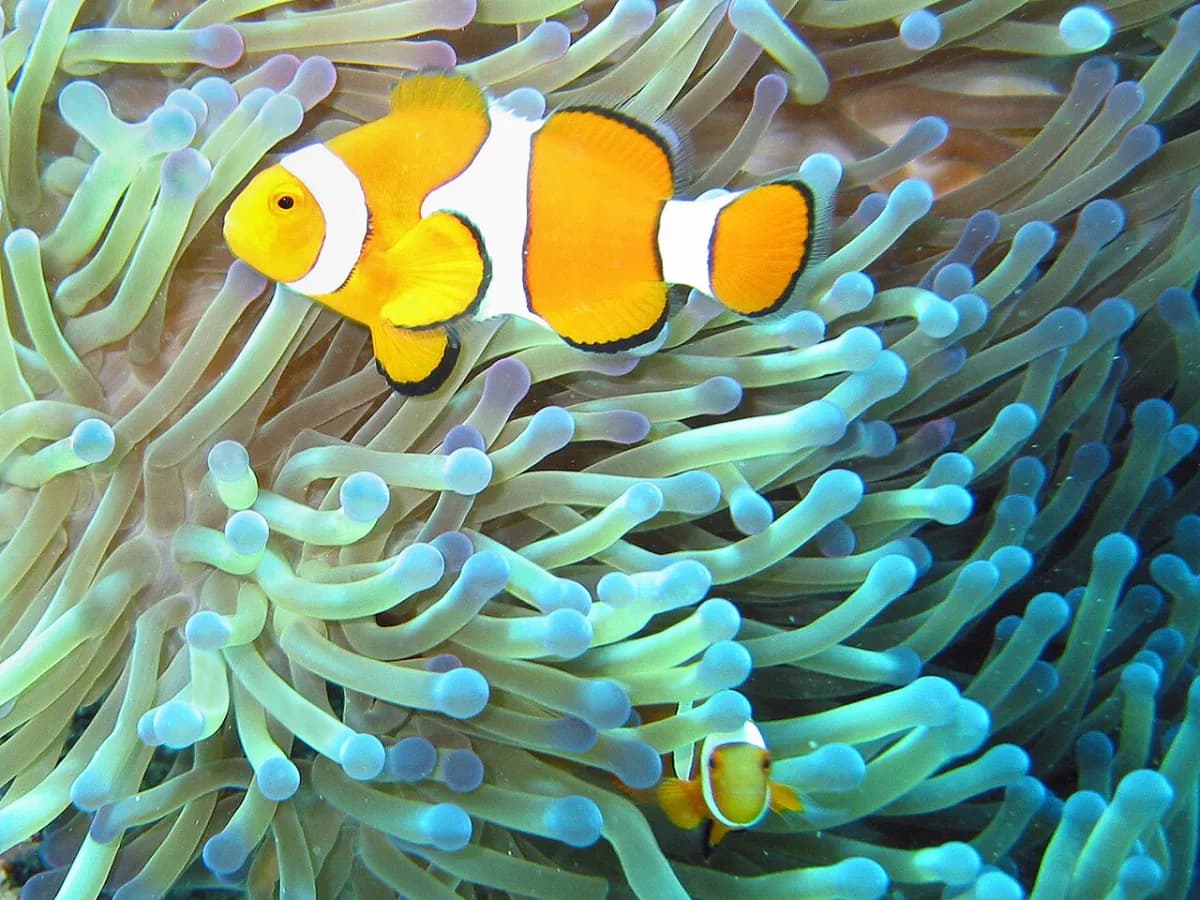
Saltwater · Intermediate
Amphiprion ocellaris
Ocellaris clownfish are among the more forgiving marine fish, but they still need a cycled saltwater tank, stable salinity, and marine-level testing. A 20-gallon tank can house a pair; 30 gallons is more comfortable.
Min. tank: 20 gal
Care notes →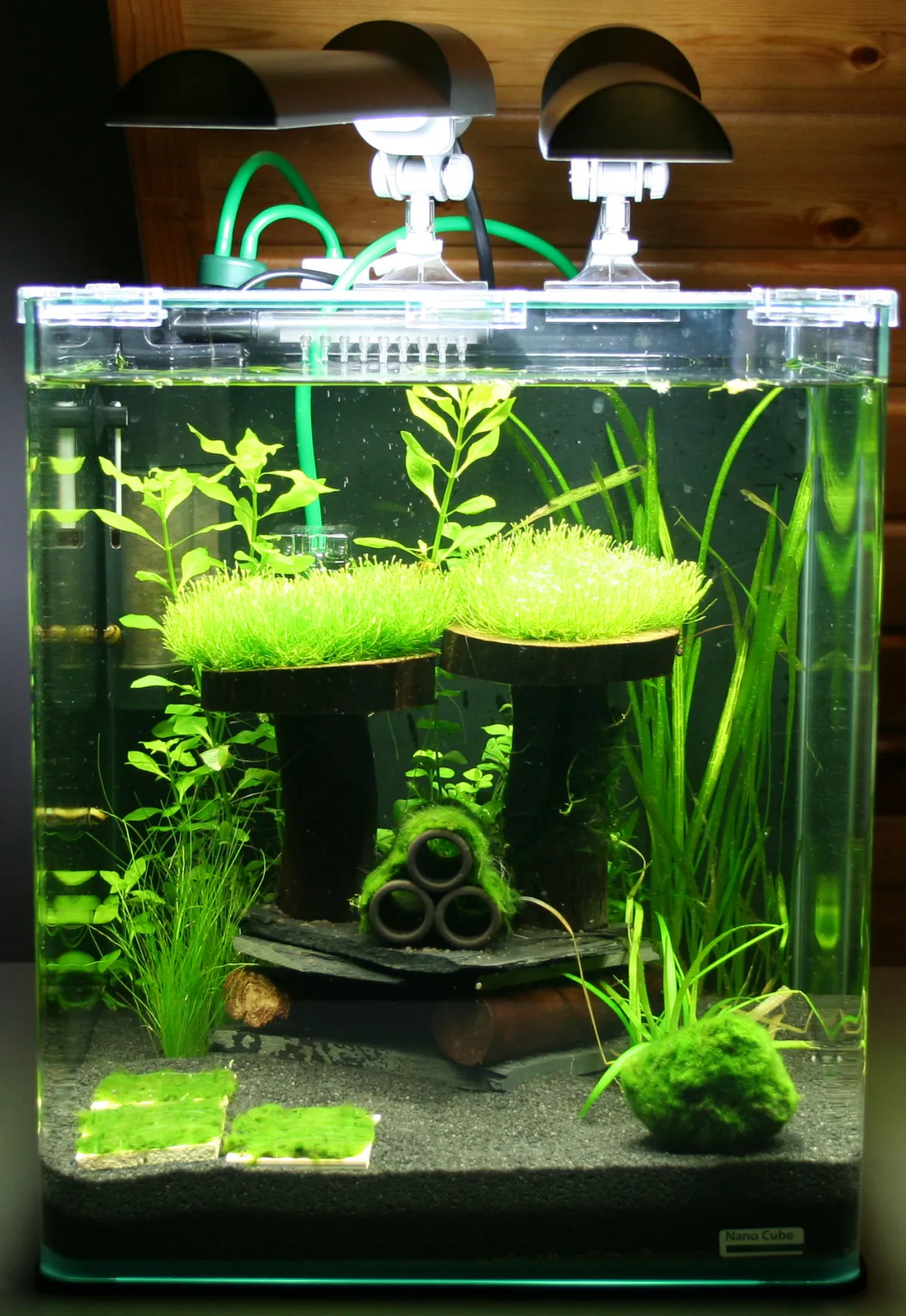
husbandry
A fishless cycle grows beneficial bacteria before you add livestock. Test ammonia, nitrite, and nitrate until the tank can process a dose of ammonia in a day.
Read guide →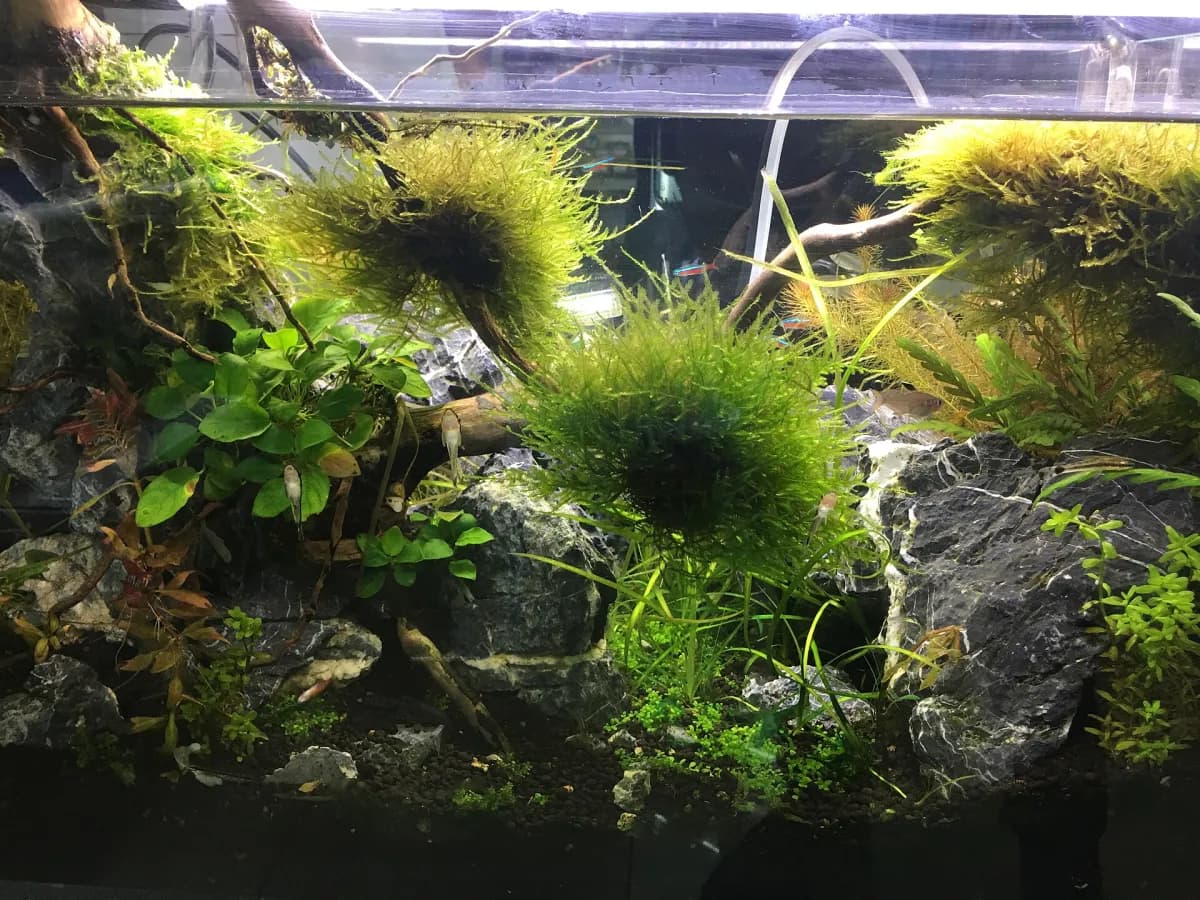
setup
A heated, filtered 20-gallon tank is a kinder first aquarium than a tiny kit. Cycle before you add fish, test your water, and stock slowly.
Read guide →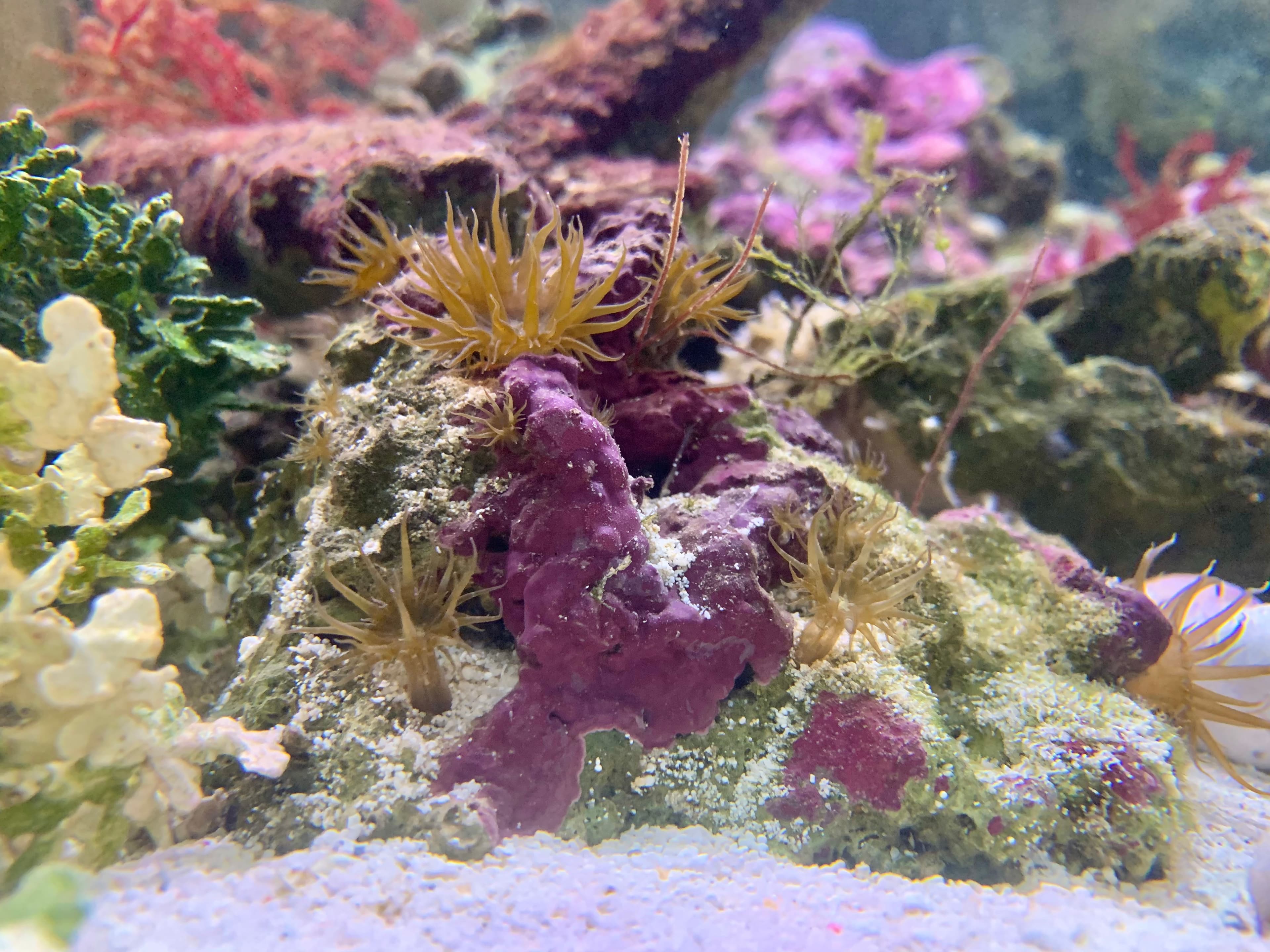
setup
A 20–30 gallon FOWLR tank is an honest floor for a clownfish pair. Same nitrogen cycle as freshwater, plus mixed salt, stable salinity, cured rock, and no livestock until the tank is ready.
Read guide →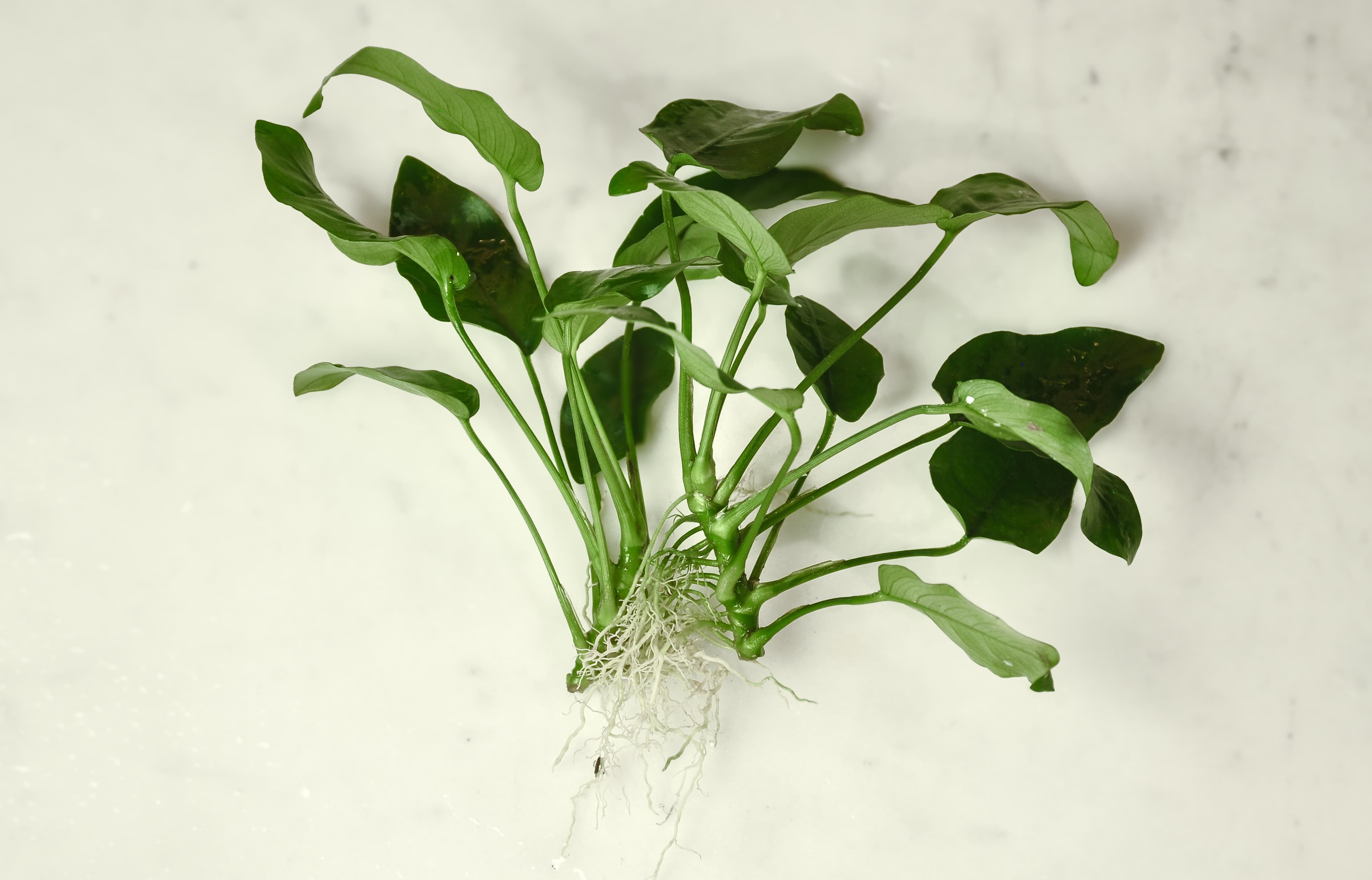
setup
A cycled 10–20 gallon, inert gravel or sand, root tabs under crypts, and epiphytes tied to wood, with 6–8 hours of light on a timer. No pressurized CO2 required.
Read guide →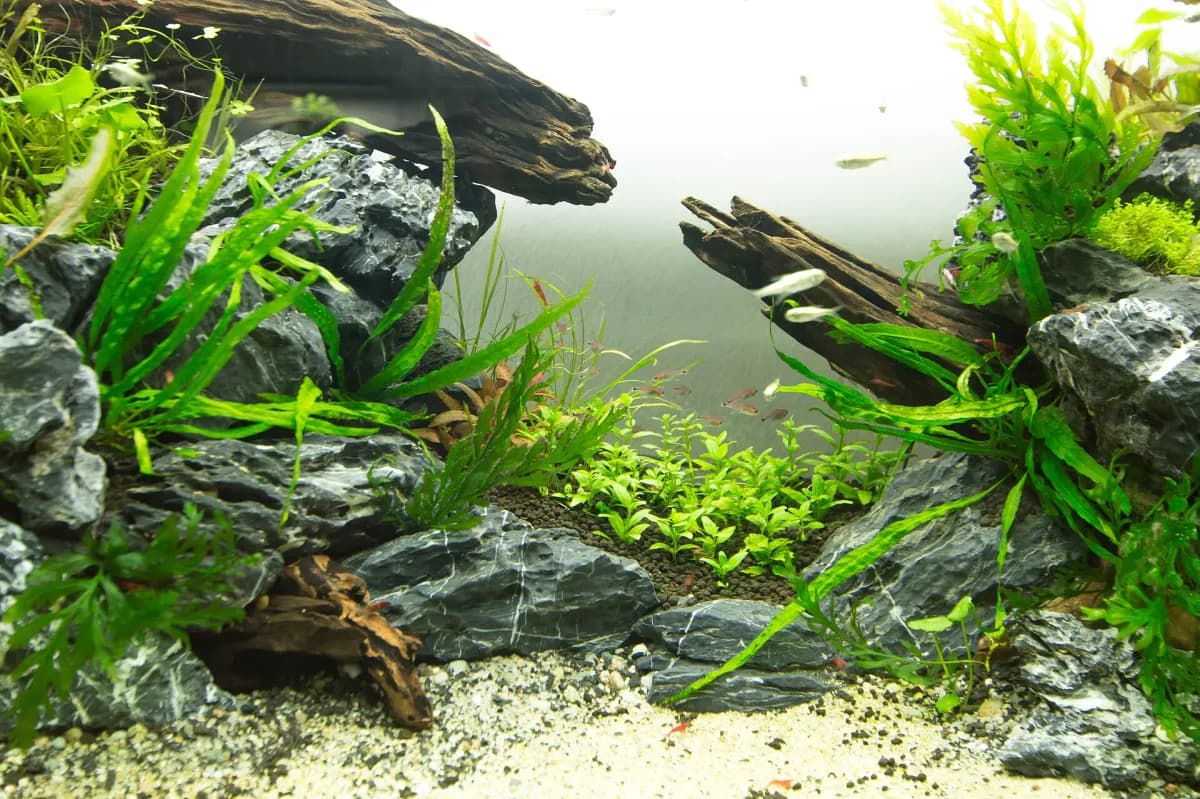
stocking
Inch-per-gallon is a myth. In 20 gallons, think in terms of adult size, schooling needs, waste, and swimming style, then stock less than the store display.
Read guide →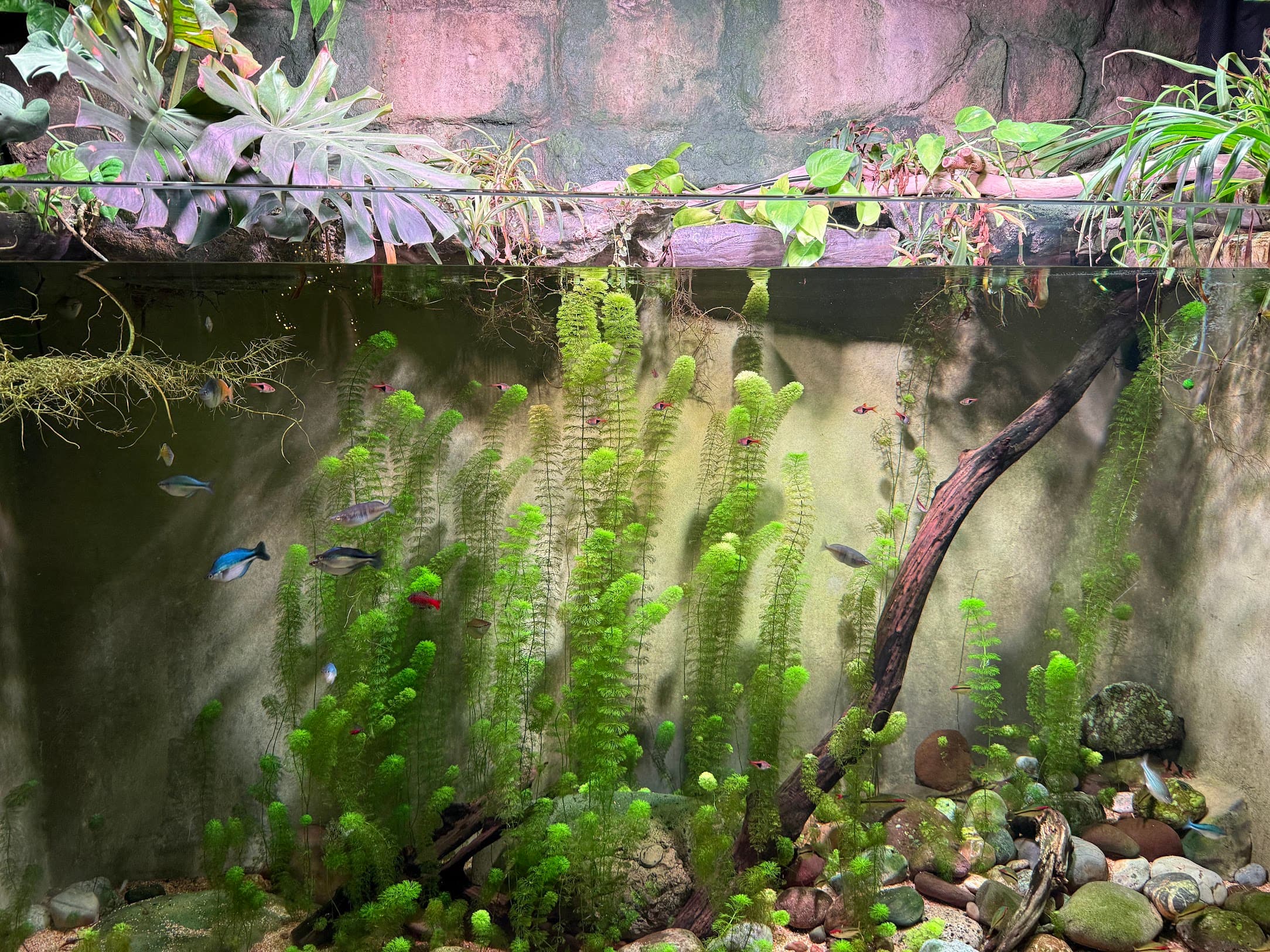
stocking
Ten gallons is the kit size stores sell most. Inch-per-gallon is still a myth. Pick one honest lane, betta, shrimp, or a small school, and leave the rest for a 20.
Read guide →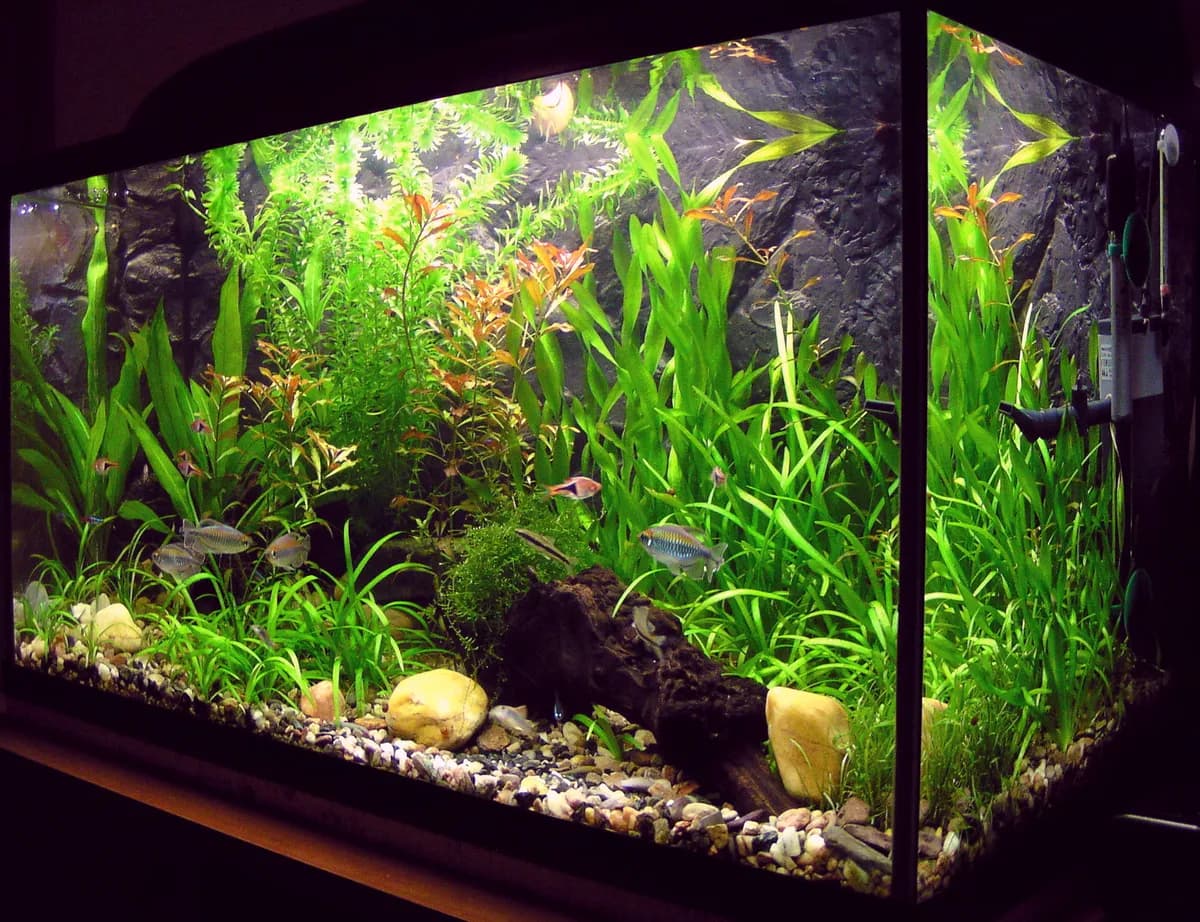
husbandry
A typical community tank wants 25–30% new water each week, gravel-vac'd and temperature-matched. Nitrates under about 20 ppm is the check, not a calendar.
Read guide →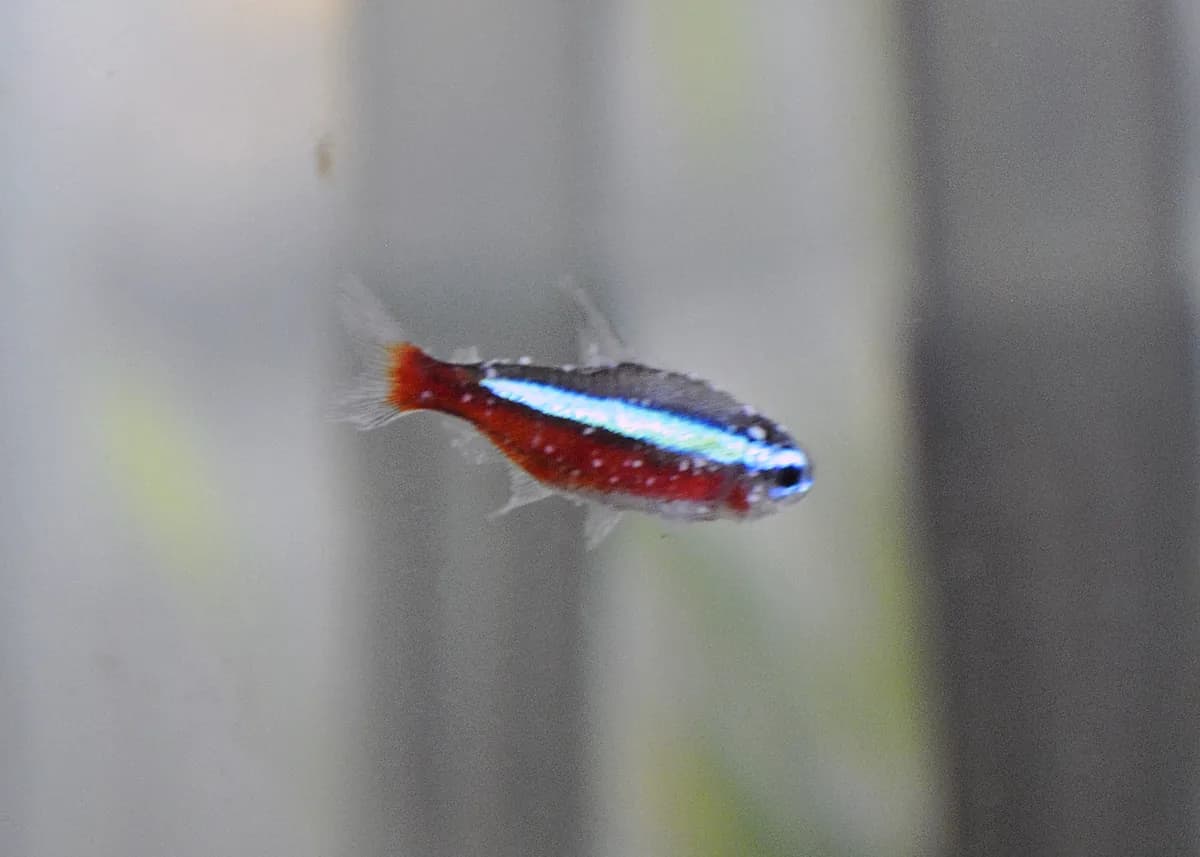
husbandry
Freshwater ich is Ichthyophthirius multifiliis. Only the free-swimming stage is treatable. Confirm the spots, remove carbon, follow one bottle, and finish days after the last spot.
Read guide →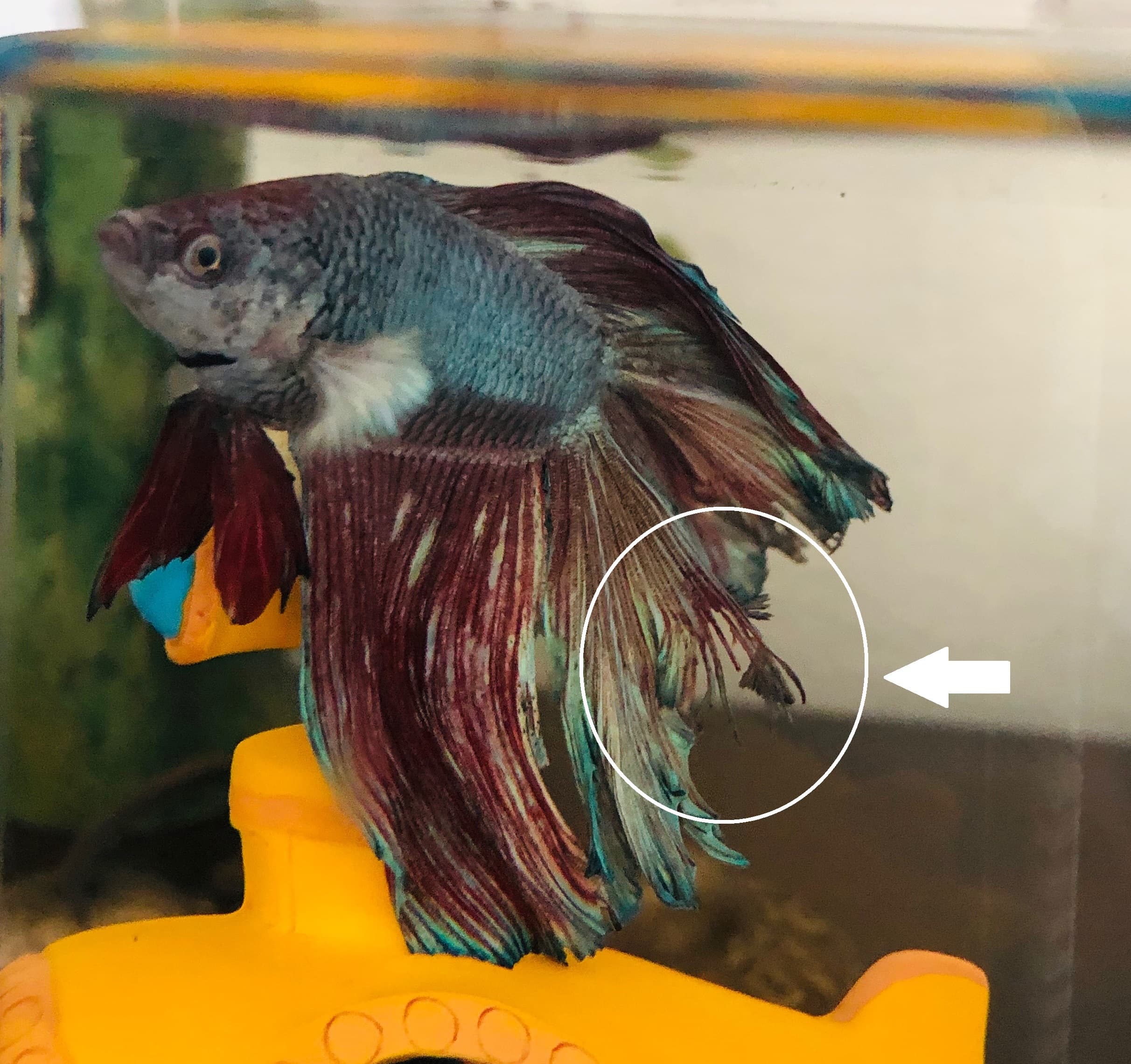
husbandry
Ragged, shrinking, sometimes white-edged fins. Test first. Ammonia, nitrite, or filthy gravel usually starts it. Fix water, stop nipping, then medicate only if the infection is still advancing.
Read guide →
husbandry
A bare-bottom 10–20 gallon with a seeded sponge, heater, and lid. Observe two to four weeks, acclimate properly, and treat only when you see a problem, not a medication cocktail on day one.
Read guide →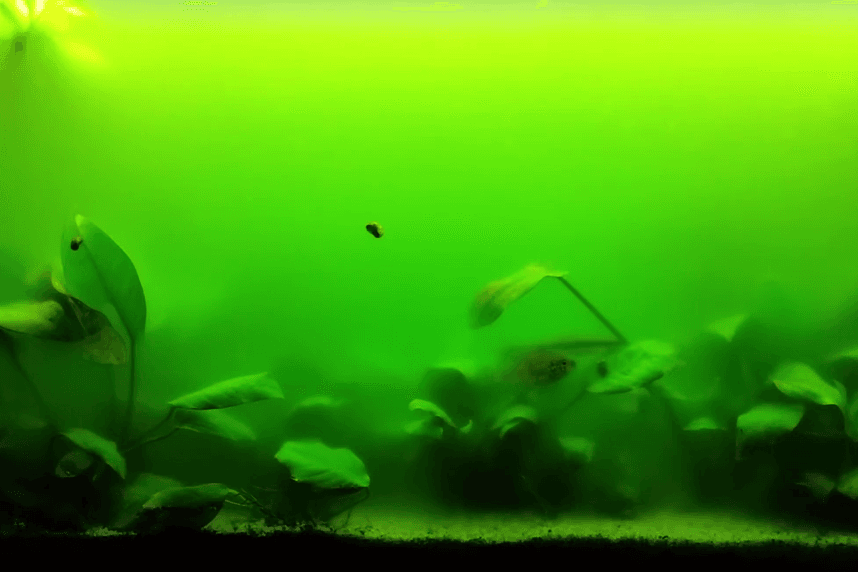
husbandry
Milky new-tank bloom, scaping dust, green water, and surface film look similar until you test. Ammonia or nitrite up means protect the fish with a change; clear nitrogen with a bacterial bloom means wait.
Read guide →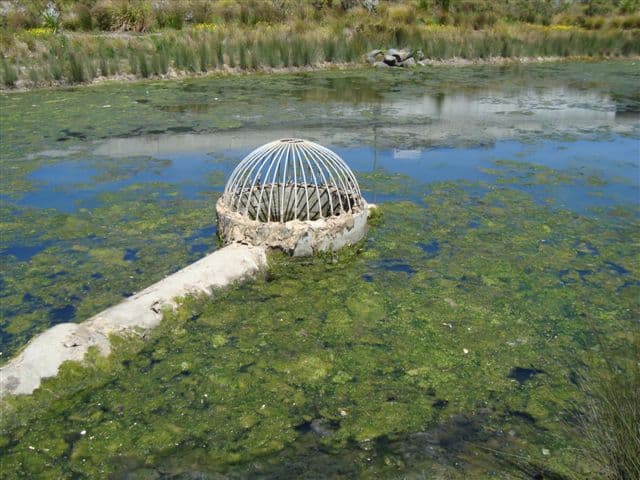
husbandry
Brown diatoms, green spot on glass, hair and thread algae, and black beard are surface problems. Fix photoperiod, feeding, and water changes first. Livestock comes after those levers, never instead.
Read guide →
husbandry
GH is calcium and magnesium. KH is the carbonate buffer that stops pH from crashing overnight. Match fish to your tap; do not acid-dose a molly tank toward Amazon numbers.
Read guide →A conservative stocking calculator. Tank gallons, freshwater or saltwater, and your experience, then ideas that link to real species pages. Not inch-per-gallon.
Starter kits and test kits, written as buying notes rather than fake rankings. Shopping links may earn a commission.