
kit
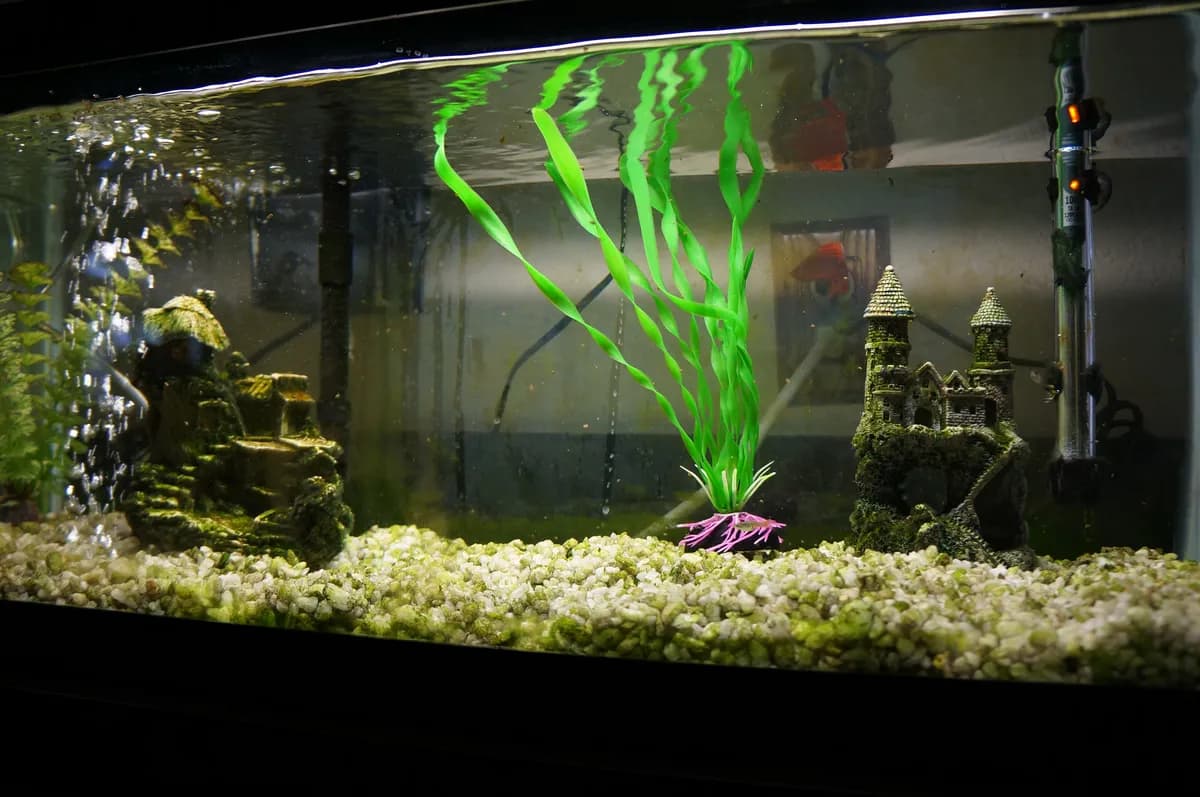
20-gallon aquarium starter kit
What a first 20-gallon kit should include, and what you will still need to buy.
See notes →Buying notes for first tanks, test kits, heaters, and sponge filters, not a fake Top 10 with invented scores. If we link out, we may earn a commission. Read the affiliate disclosure.
kit
What a first 20-gallon kit should include, and what you will still need to buy.
See notes →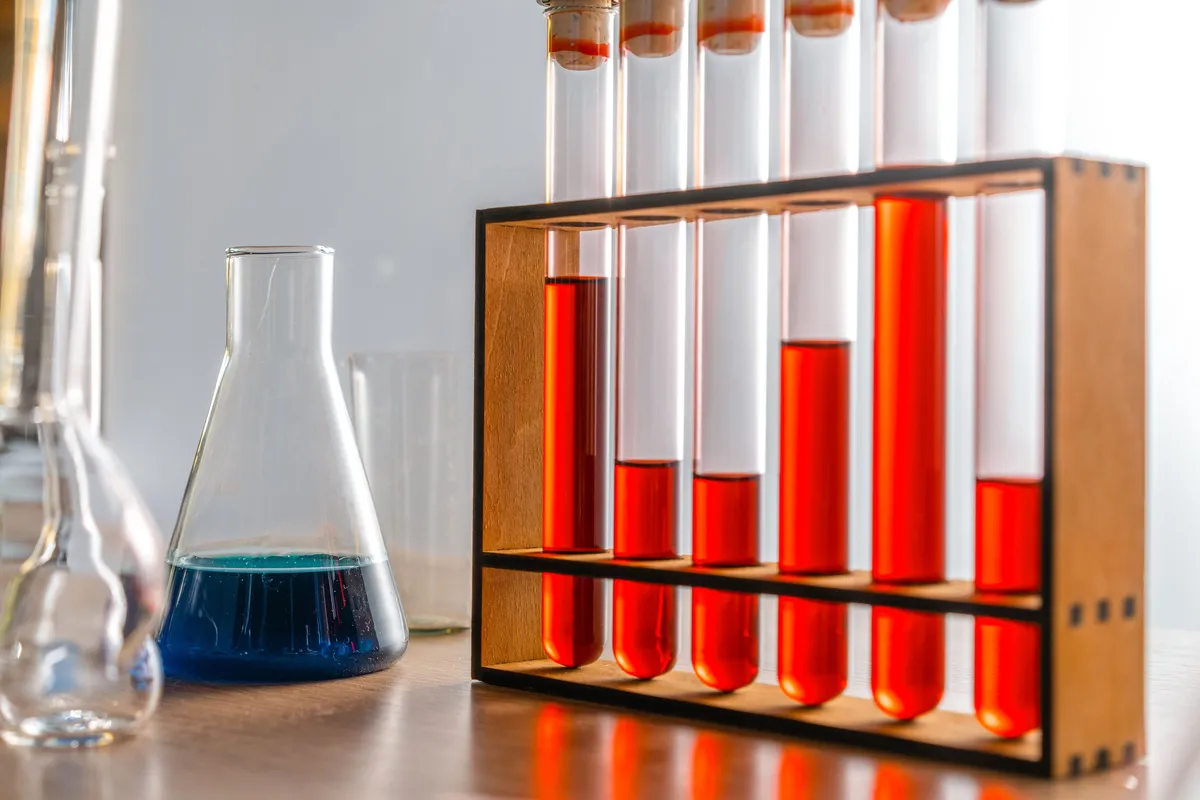
testing
A liquid master test kit for ammonia, nitrite, nitrate, and pH is the instrument that tells you a cycle is real. Strips are a backup, not a replacement.
See notes →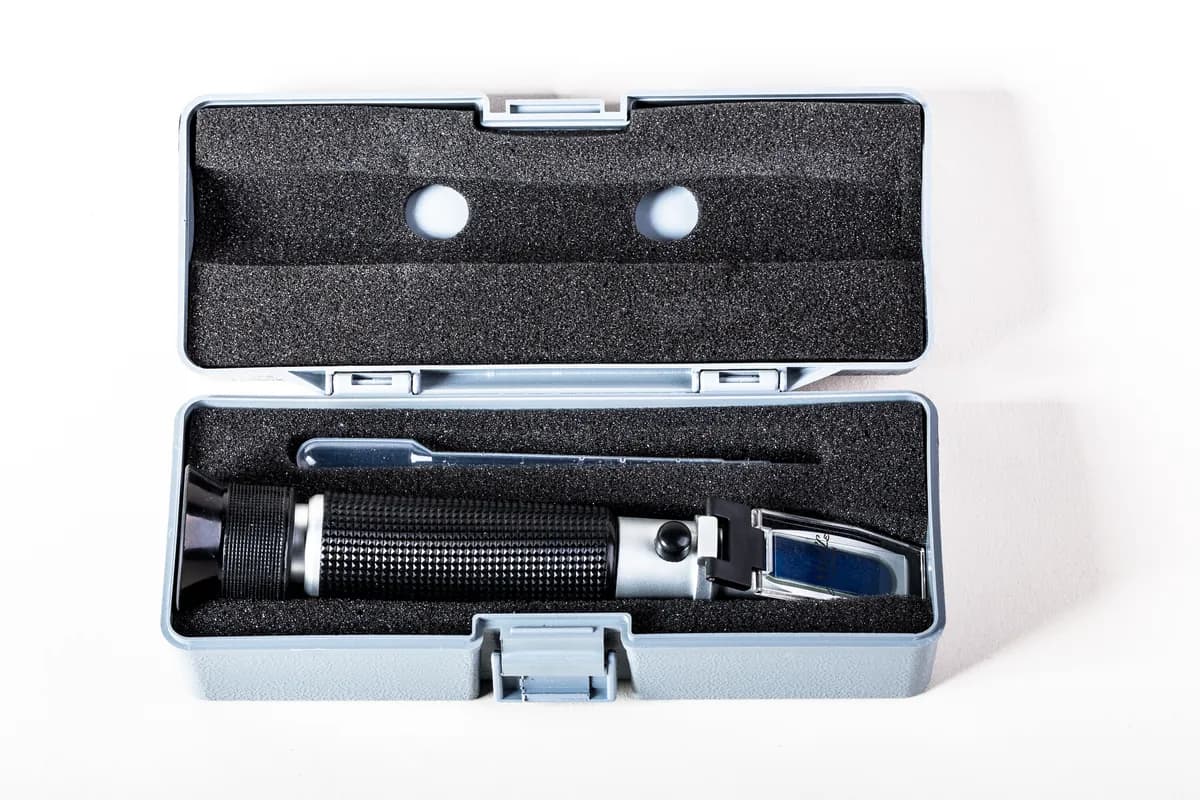
testing
Target about 1.023–1.026 specific gravity (roughly 32–35 ppt) for a FOWLR clown or firefish tank. ATC matters. Calibrate with the manufacturer's solution, often 35 ppt fluid, not a drop of RO and hope.
See notes →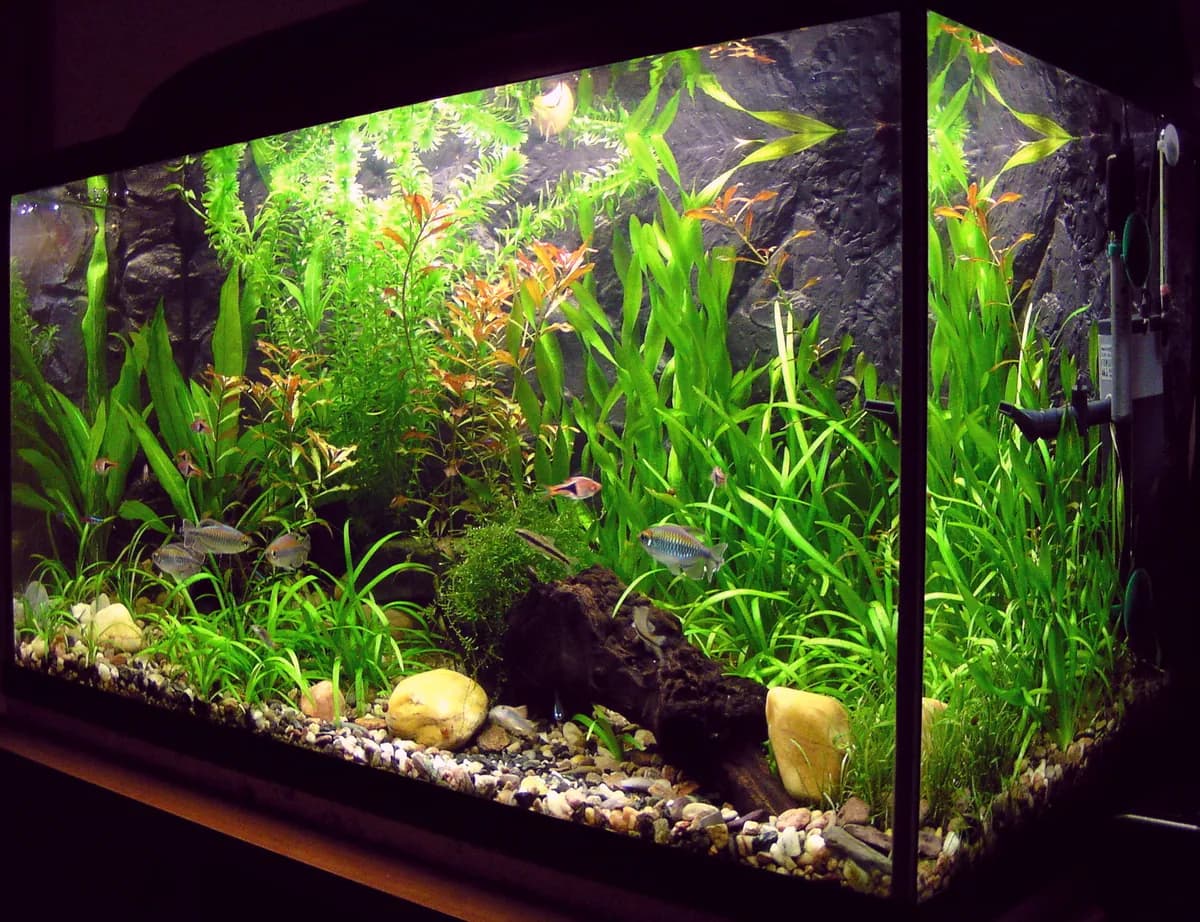
Gear
Municipal water usually carries chlorine or chloramine. Buy a bottle that handles chloramine, dose the replacement water, and do not treat a conditioner as a skip-the-siphon card.
See notes →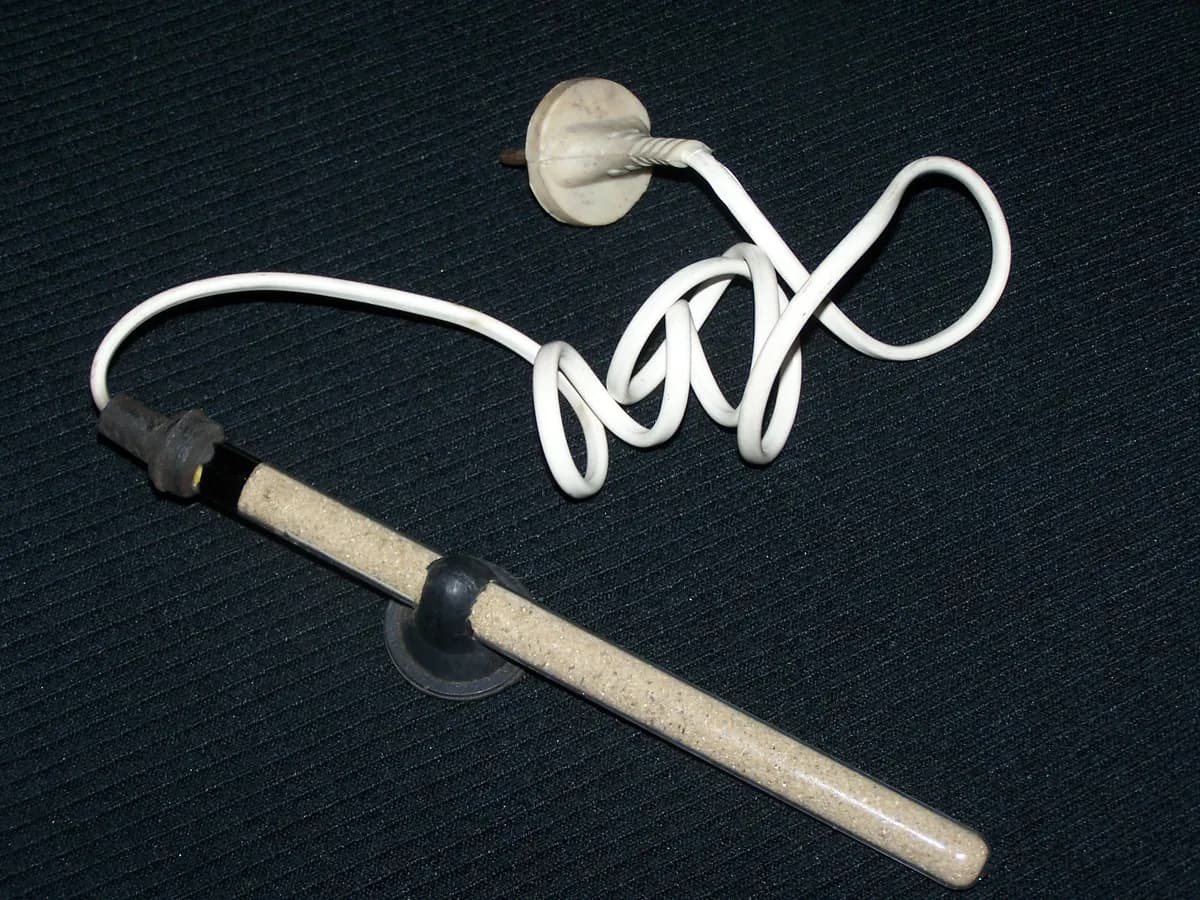
Gear
Plan on about 3 to 5 watts per gallon: 50W for most tropical 10-gallon tanks and 100W for most 20-gallon tanks in a room near 70°F. Buy an adjustable submersible, then read temperature with a separate thermometer.
See notes →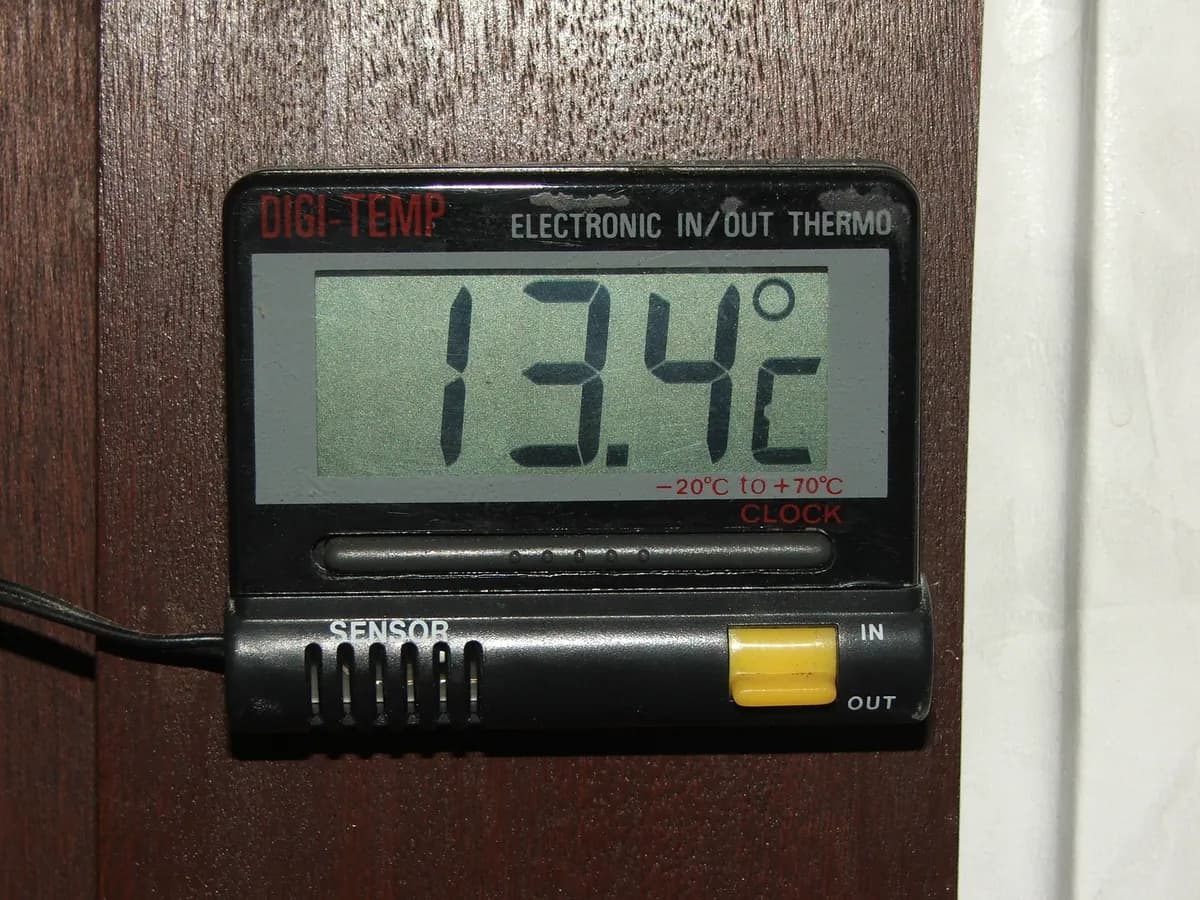
Gear
Heater dials lie. A stick-on strip is the cheap floor. A digital probe or floating glass thermometer is the upgrade. Put it away from the heater tube and believe that number.
See notes →
Gear
Six to eight hours on a timer beats leaving the kit hood on all evening. A full-length LED bar sized to the tank is the usual upgrade for planted 10s and 20s, not a reef-blast fixture and not a ranked light list.
See notes →
Gear
Pick a bulb-start siphon for 10–20s, a longer hose or faucet-hookup when buckets suck, and a narrow tube for nanos and sand. This is the tool page; water-change volume lives on the husbandry guide.
See notes →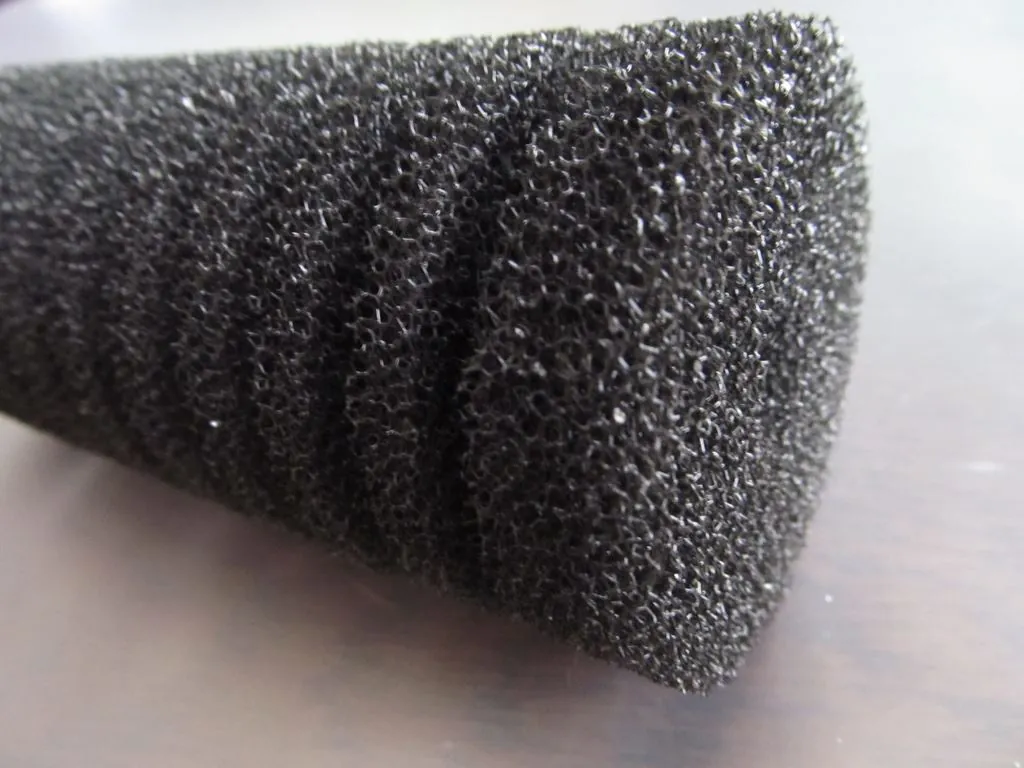
filtration
A sponge, an air pump, and a check valve. Gentle filtration for bettas, fry, shrimp-safe intakes, and backup bio on a 10–20 gallon, not a ranked HOB shootout.
See notes →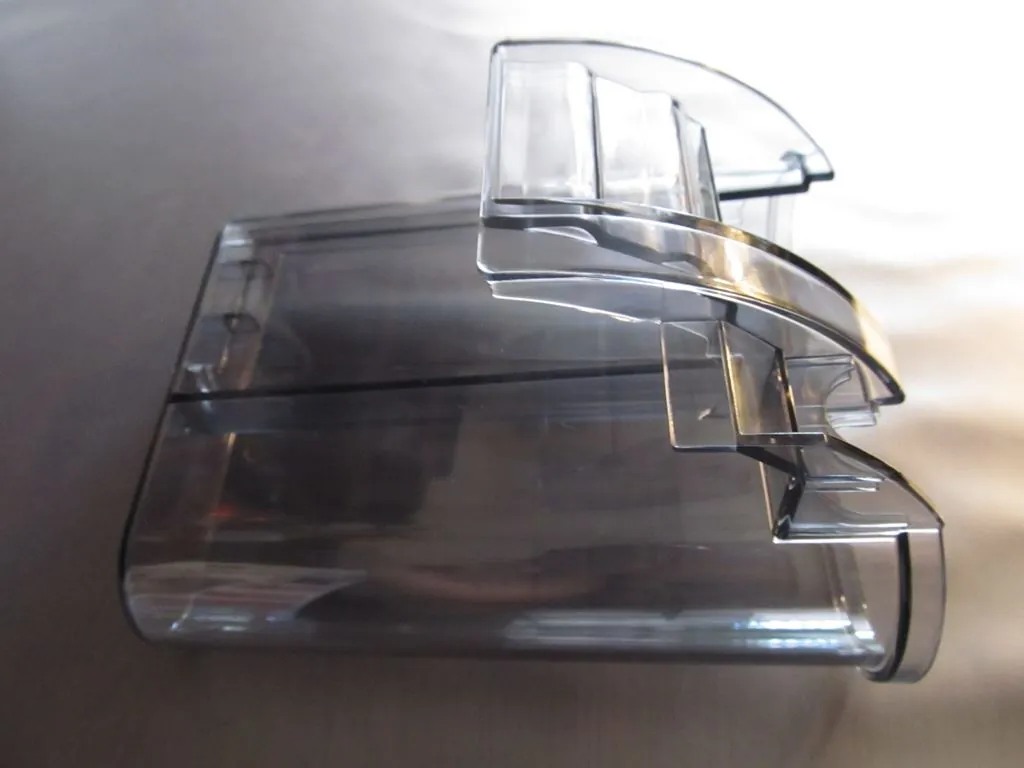
filtration
Adjustable HOB filtration for 10s and 20s: reusable foam and ceramic beat disposable cartridges, baffle the outflow for long-fin fish, and expect to reprime after some power cuts.
See notes →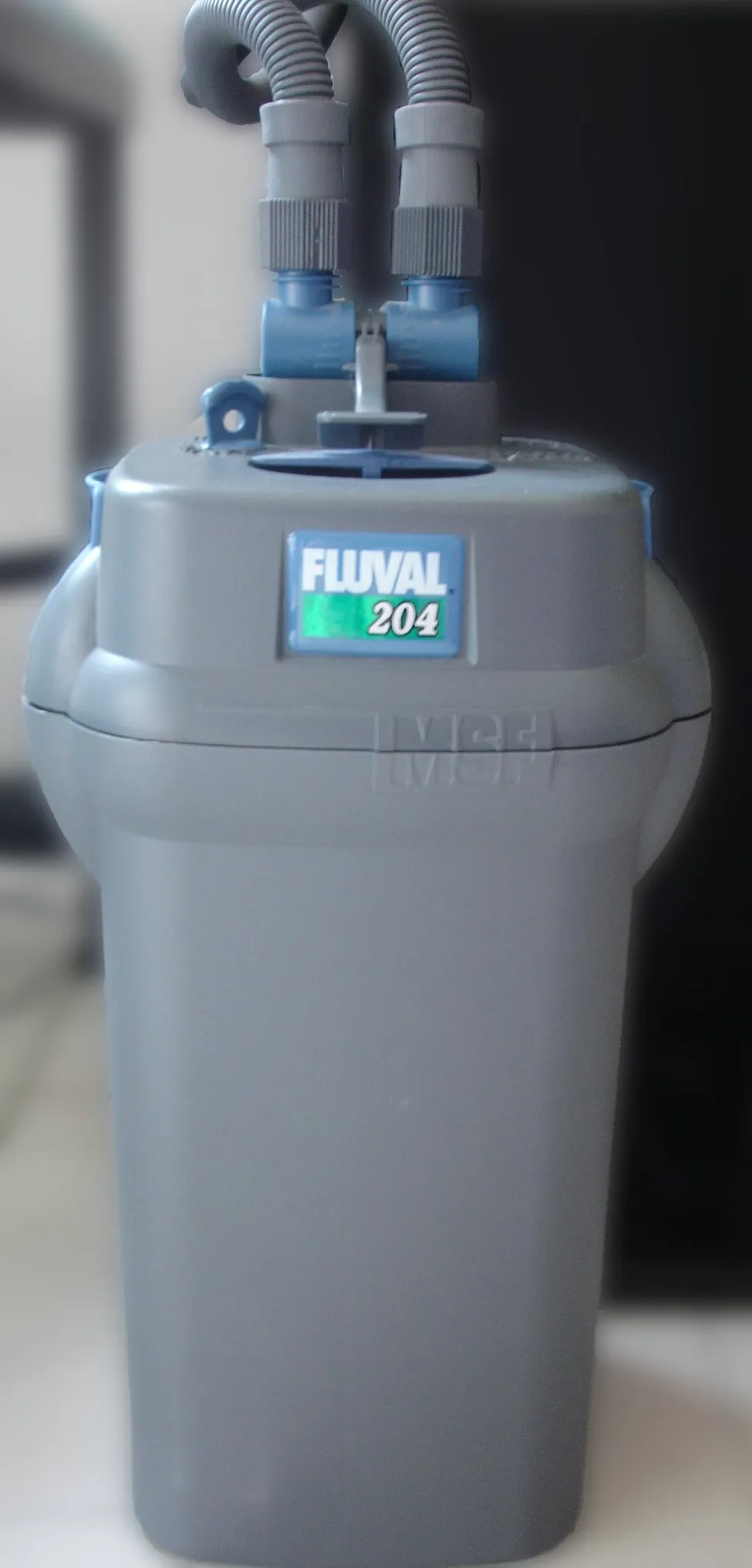
filtration
External filtration for planted 29–40 communities and fancy goldfish: hose clutter earns its keep, media stacks coarse to bio, prime after opening, and never rinse media in tap water.
See notes →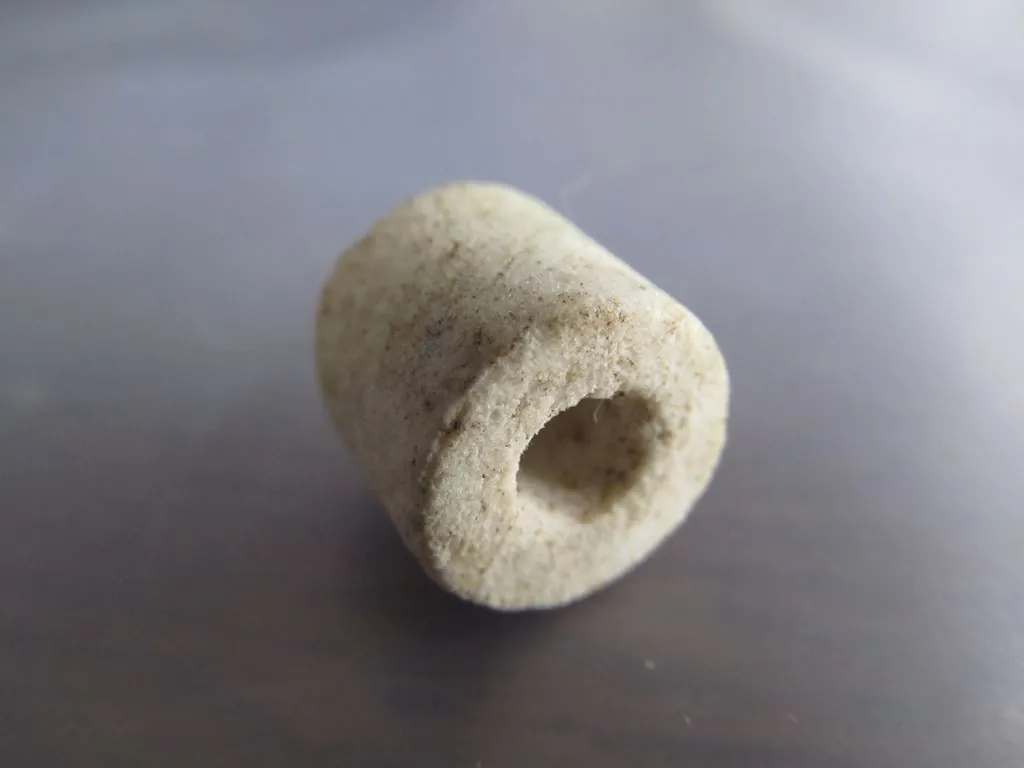
filtration
Mechanical foam catches gunk. Ceramic holds the bacteria that finish the nitrogen cycle. Carbon is optional and saturates. Stack coarse to bio to fine, rinse bio media in old tank water only, and stop buying disposable cartridges when foam will do.
See notes →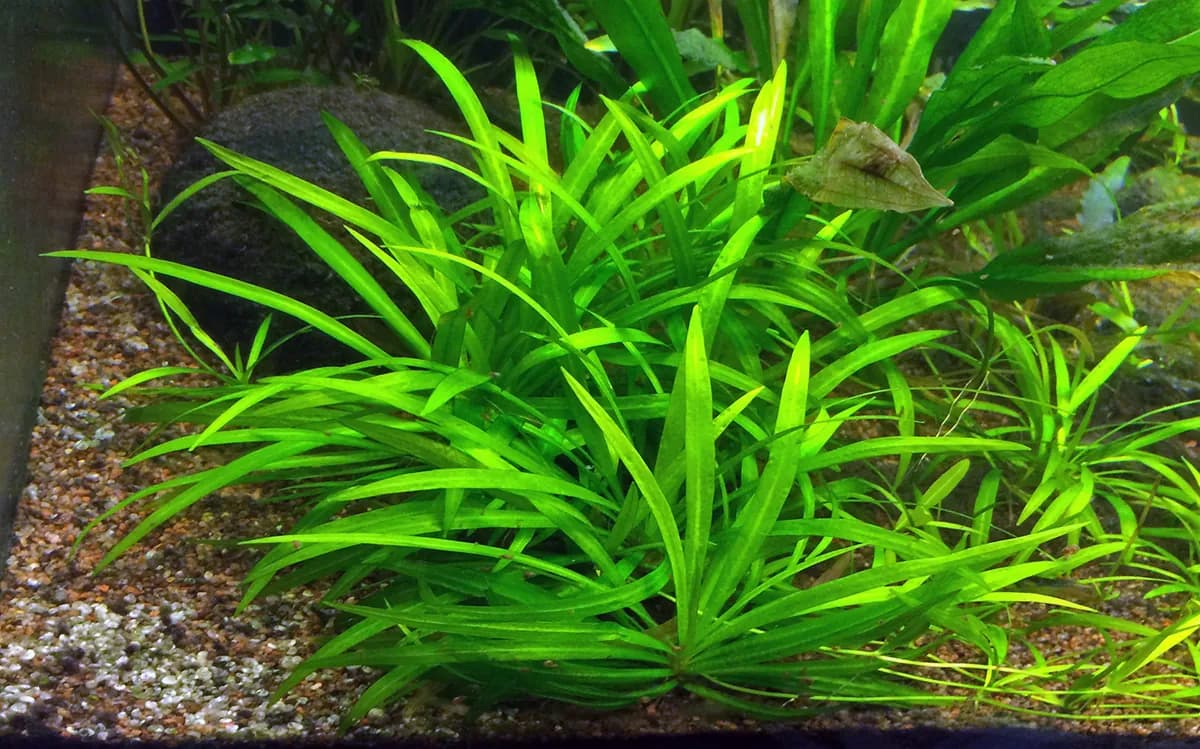
Gear
Crypts, swords, and Vallisneria want food in the substrate. Push a root tab under the crown, not on top of the gravel. Liquid ferts are a different job for stem plants and epiphytes.
See notes →
Gear
Fine inert sand for cories and loaches. Smooth gravel for a community tank you can vacuum. Planted soil only when you want a nutrient bed and will watch early ammonia. About 1 lb per gallon covers a 1 to 2 inch bed in a 20.
See notes →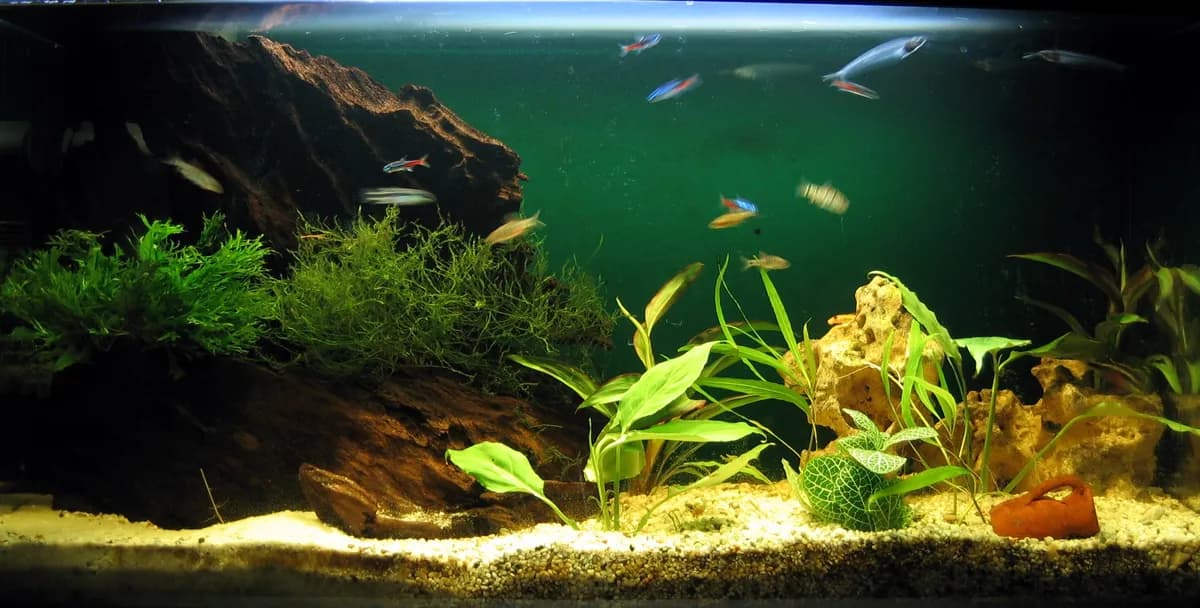
Gear
A fitted lid stops jumpers, cuts evaporation, and keeps cats and curious hands out. Measure the rim opening, leave room for the HOB lip and cords, and pick glass for most freshwater or mesh when a saltwater nano needs more gas exchange.
See notes →
Gear
A floating magnet for weekly film on glass, a long-handle stainless blade for stubborn green spot on glass only, and a soft pad when the tank is acrylic. Scrape before the water change so the siphon takes the flakes.
See notes →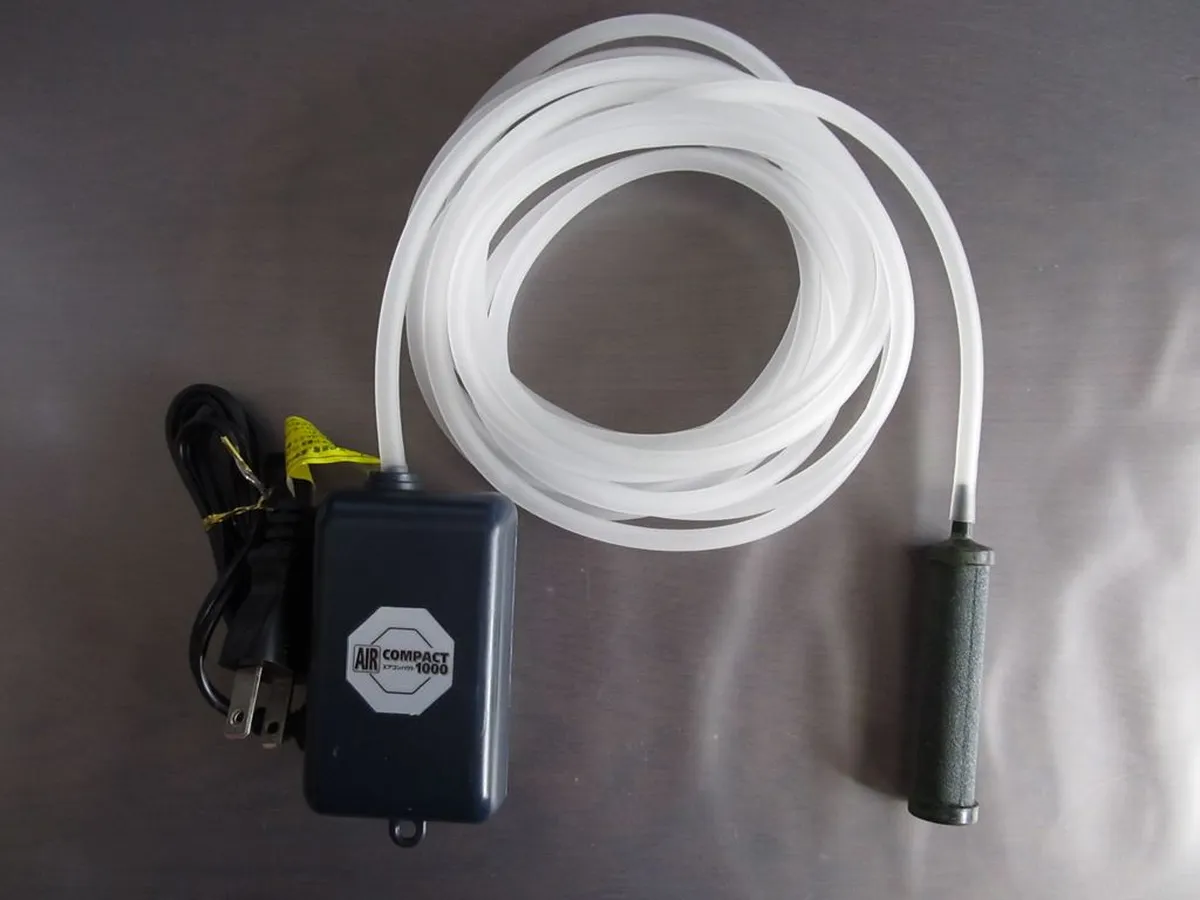
Gear
An air pump drives a sponge filter and breaks up the surface so the water holds more oxygen. One small pump runs one sponge in a 5 to 10 gallon, a dual-outlet pump runs two, and a check valve keeps a power cut from siphoning tank water onto the shelf.
See notes →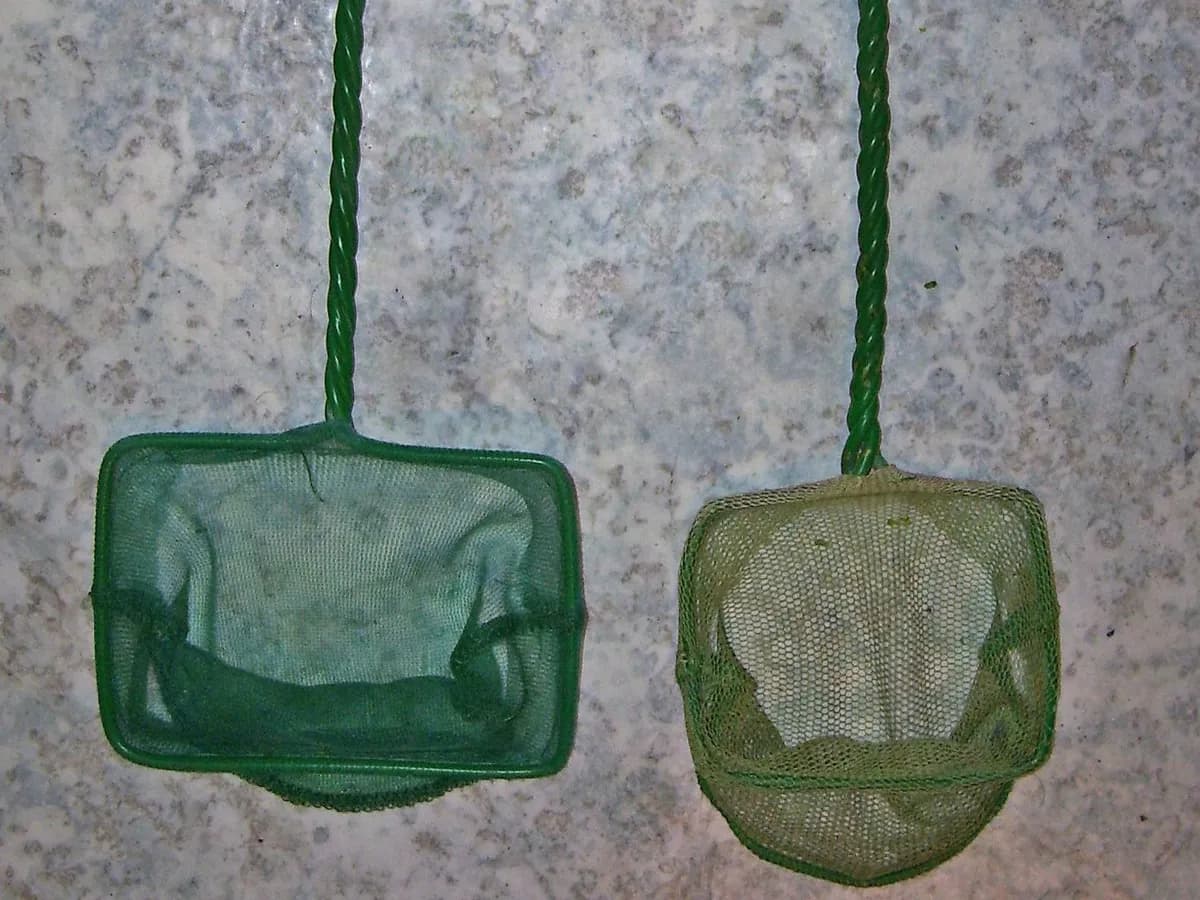
Gear
Pick soft, tight mesh, a net head about twice as wide as the fish is long, and a handle that reaches the gravel. Keep one net per tank, and use a cup instead of mesh for corydoras, plecos, and loaches.
See notes →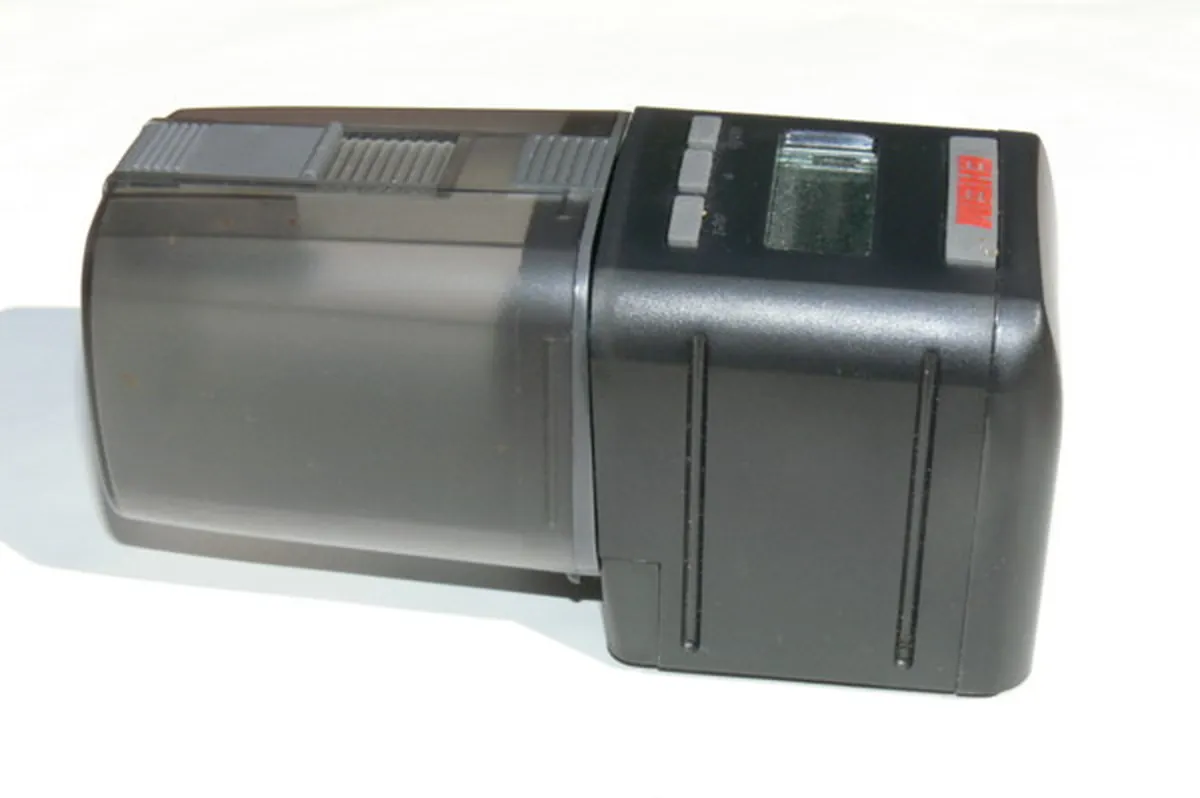
Gear
A battery drum feeder drops a set portion while you are gone. Programmable units suit a week away. Simpler timers cover a weekend. Skip them for fry, picky eaters, and long trips with no backup plan.
See notes →
kit
A bare 10-gallon tank with a lid, a sponge filter that has lived in your display, an air pump, a 50 watt heater, and its own net and bucket.
See notes →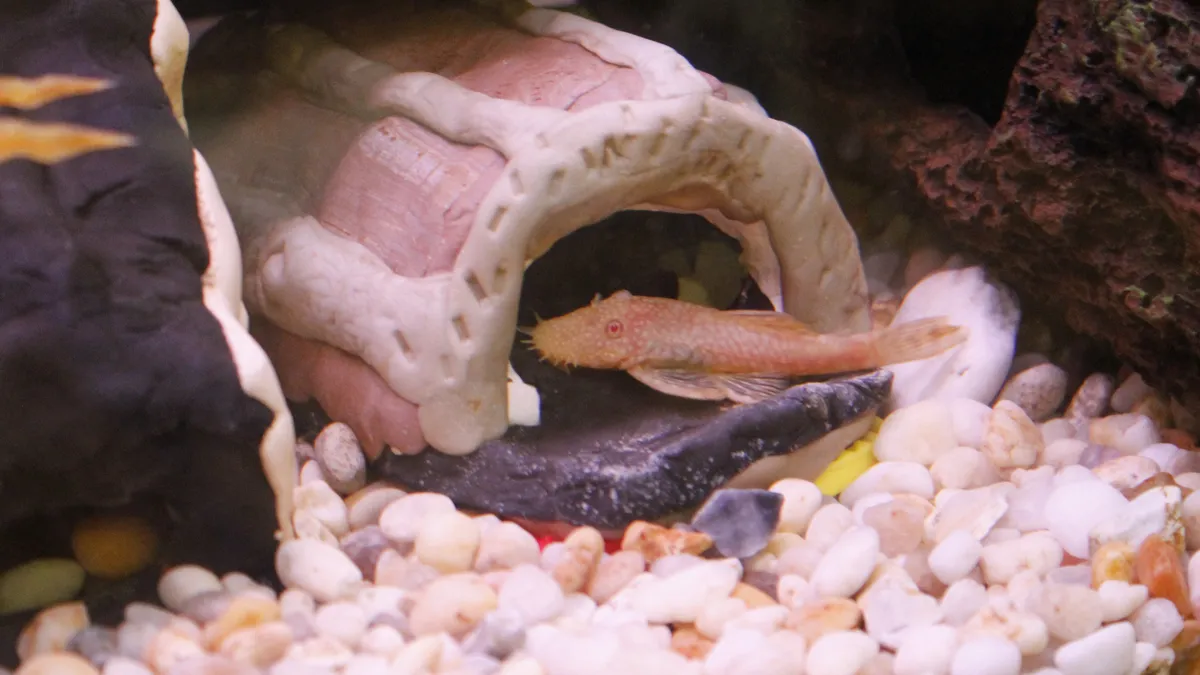
Gear
Malaysian wood and mopani sink after a soak. Spider wood floats for a week or two. Boil small pieces, soak big ones, and expect tea-colored water for a while. A bristlenose cave wants an opening about 1.5 to 2 inches across.
See notes →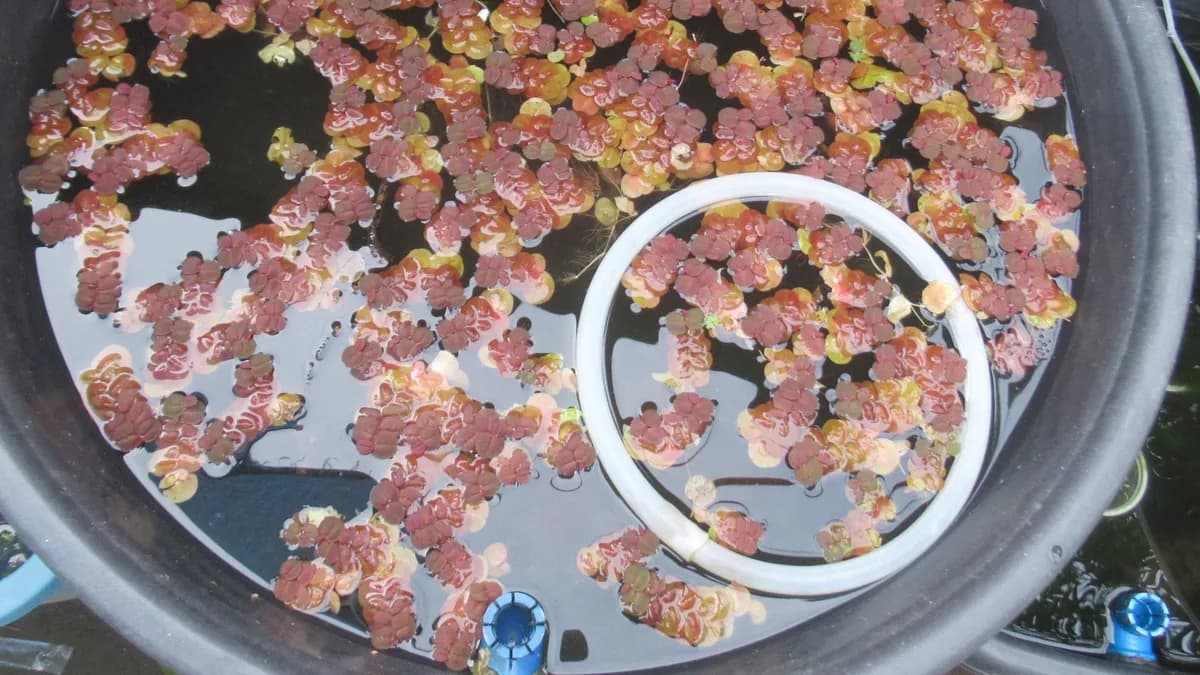
Gear
Red root floaters and Amazon frogbit dim a bright tank and take up nitrogen as they grow. Keep them inside a ring of airline tubing, scoop out about a third each week, and feed them with a copper-free fertilizer if shrimp share the water.
See notes →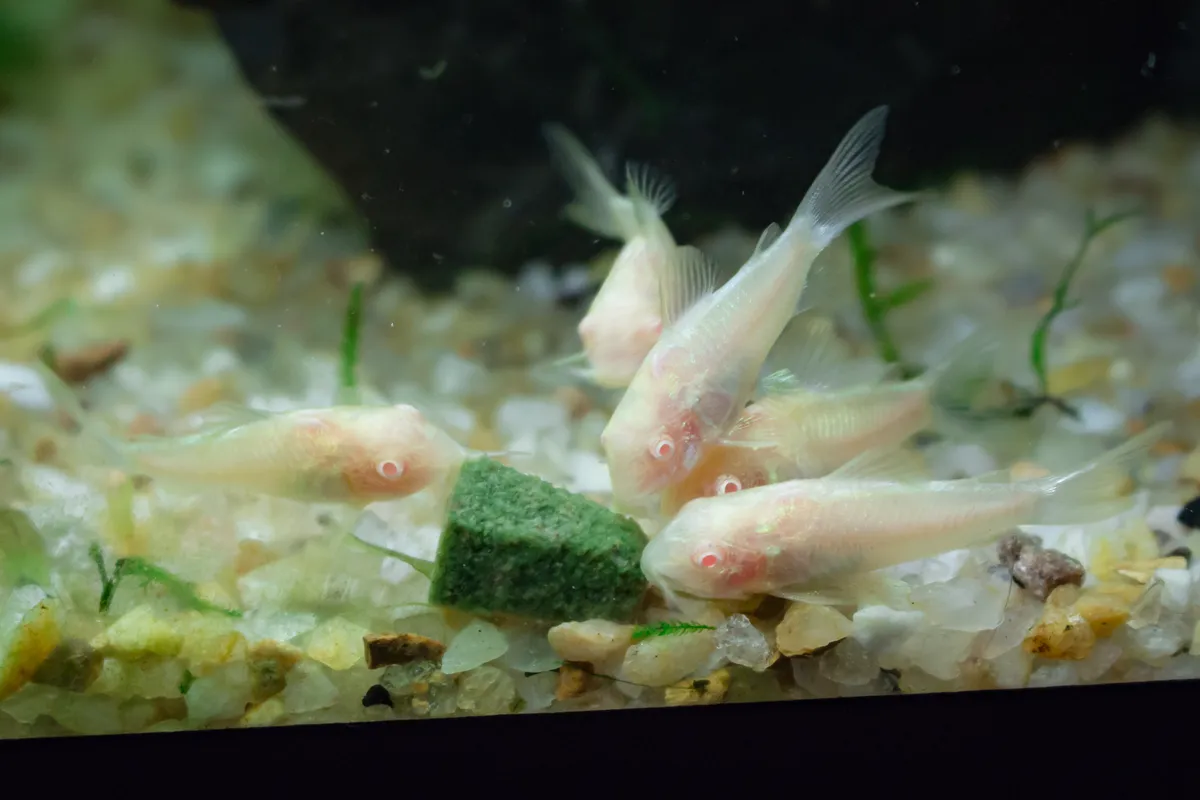
Gear
Bristlenose plecos and otos want veg wafers and blanched zucchini. Corys and kuhli loaches need a protein wafer of their own, dropped after the midwater fish eat or after the lights go off. Start small, then cut back if crumbs are still on the sand later.
See notes →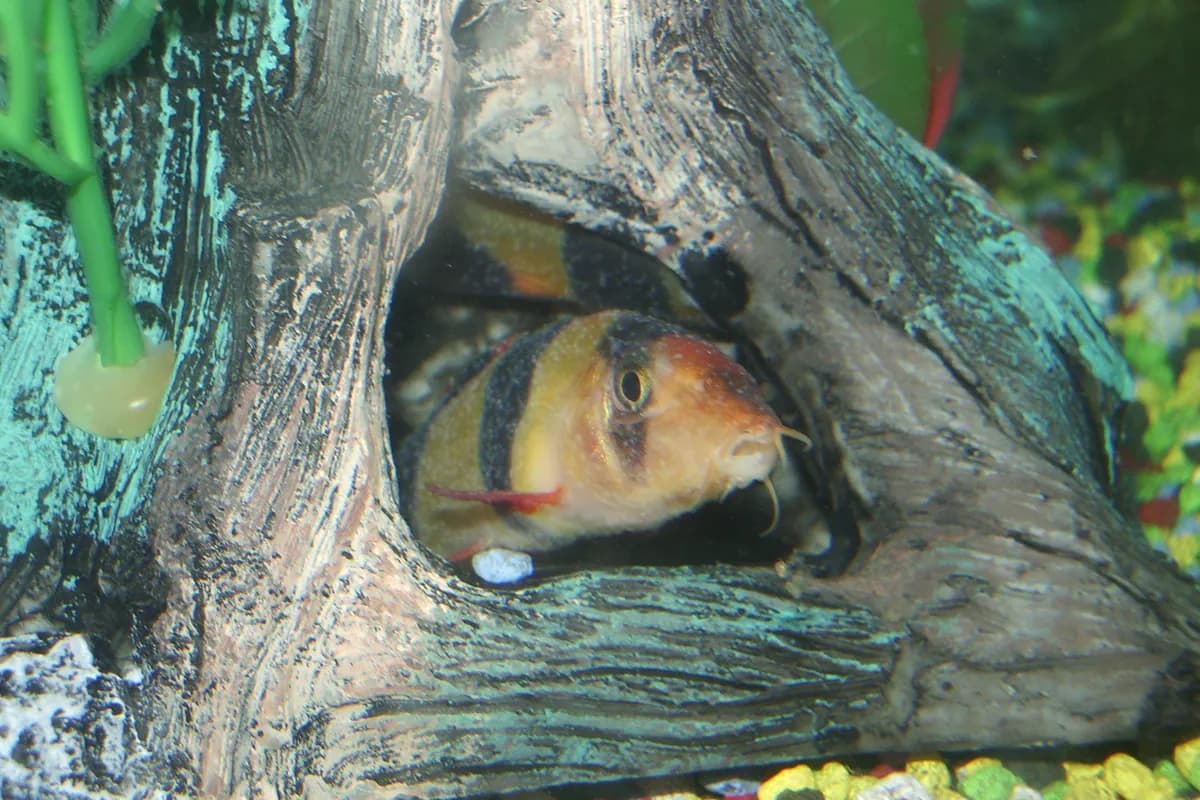
Gear
For white spot in a freshwater tank, buy one ich medication and dose it from the label for your real gallons. Hikari Ich-X and API Liquid Super Ick Cure are the two bottles we reach for. Aquarium salt is an optional extra for hardy fish in a tank without plants, shrimp, or snails.
See notes →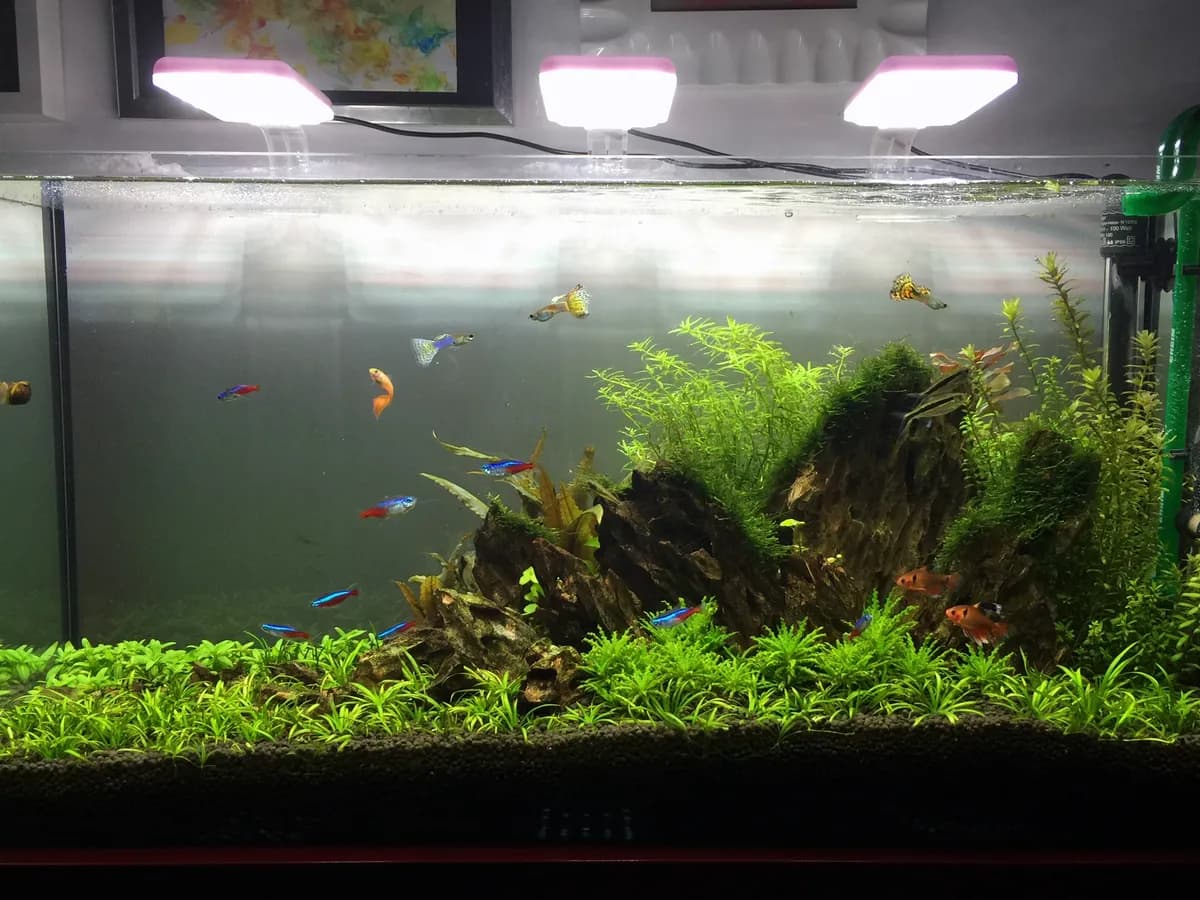
Gear
Start a new tank at 6 to 8 hours of light a day and let a timer run it, so the schedule doesn't depend on you remembering. Check whether your light already has a timer built in before you buy one. Then pick a mechanical outlet timer, a digital one, or a smart plug.
See notes →