
Photo: Cardex · Public domain

husbandry · freshwater
How to lower nitrates in a freshwater aquarium
Keep nitrate under 20 to 40 ppm. A water change is the fastest fix, and a 50% change cuts the reading roughly in half. Then test your tap water, feed less, vacuum the gravel, add fast plants, and check your stocking.
By Fishy Dave · Published 2026-10-16
Keep nitrate under 20 to 40 ppm. If your test reads higher, change water first. A 50% change cuts the number about in half today, and the other five fixes below keep it from climbing back.
Nitrate is the end product of the nitrogen cycle. Your filter bacteria turn fish waste and old food into ammonia, then nitrite, then nitrate. Nitrate builds up between water changes in every cycled tank. A high reading means more waste is going in than you are taking out.
1. Do a water change
This is the only fix that works the same day. Change 25 to 50% of the water with a gravel vacuum, add dechlorinator, and match the temperature. The water change guide walks through the bucket routine.
Here is a 20 gallon example. The test reads 40 ppm and your tap reads 0. Take out 10 gallons and refill, and the tank reads about 20 ppm. If the reading was 80 ppm, do 30% now and 30% two days later rather than 75% in one go. Fish that have lived in high nitrate for weeks handle a gradual drop better.
| Starting reading | 25% change | 50% change |
|---|---|---|
| 20 ppm | 15 ppm | 10 ppm |
| 40 ppm | 30 ppm | 20 ppm |
| 80 ppm | 60 ppm | 40 ppm |
2. Test your tap water
Run the nitrate test on a glass of tap water with the same liquid test kit. Some city supplies and many wells in farm areas read 10 ppm or more straight out of the faucet. If the tap is high, water changes have a floor, and the other fixes matter more.
Shake the second nitrate bottle hard for 30 seconds before you use it, and wait the full time on the chart. A short shake is the most common reason for a reading that is too low.
3. Feed less
Most high nitrate starts at the food lid. Feed what the fish finish in about two minutes, once or twice a day, and skip a day each week. Pull out uneaten wafers and pellets. The feeding guide has amounts by fish type.
4. Vacuum the gravel and rinse the filter gently
Waste that sits in the gravel and the filter keeps breaking down into nitrate. Push the gravel vacuum into the substrate at every change, and work through a different third of the tank each week if it is heavily planted.
Once a month, squeeze the filter sponge in a bucket of old tank water until it stops clouding the bucket. Do not rinse it under the tap. Chlorine kills the bacteria, and you trade a nitrate problem for an ammonia one.
5. Add fast-growing plants
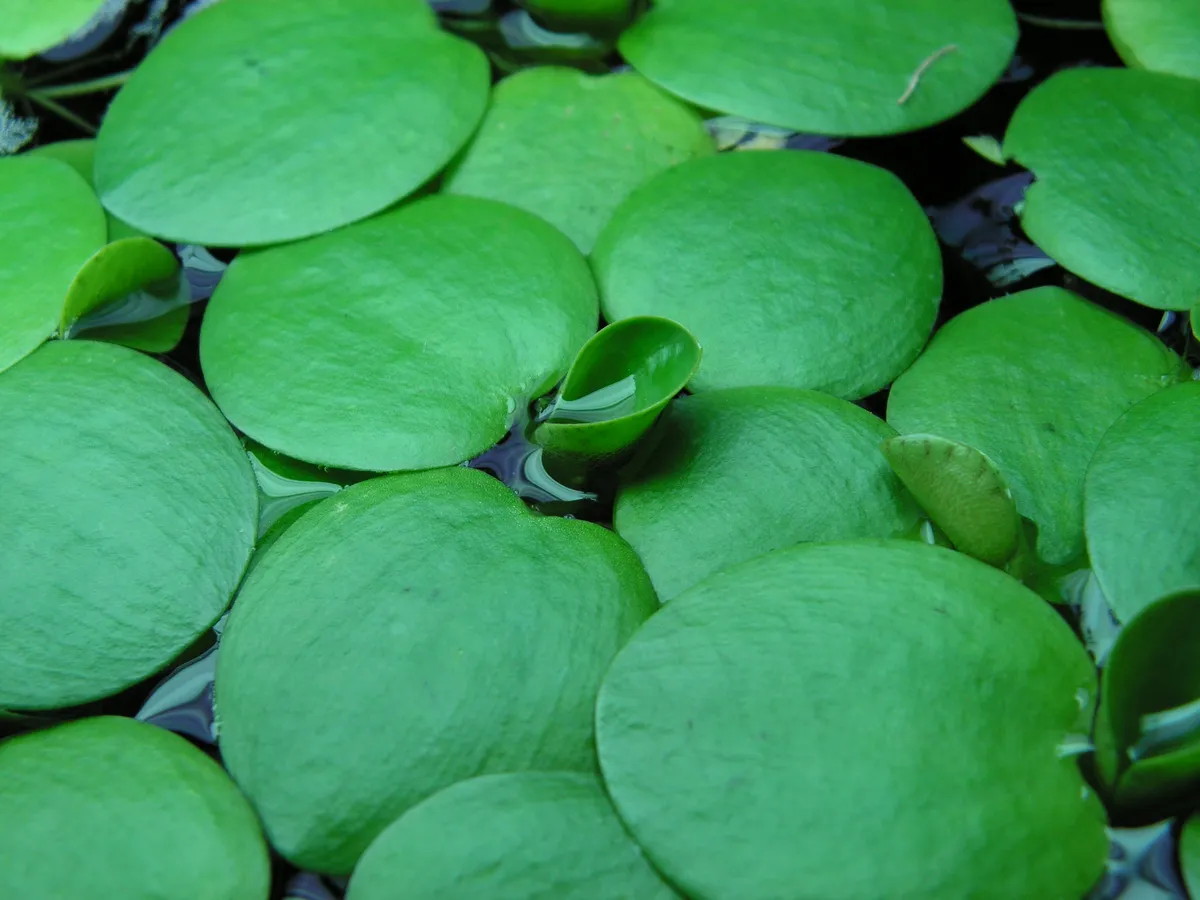
Plants take up nitrogen as they grow. Slow plants like anubias and java fern barely move the number. Floating plants such as Amazon frogbit, red root floaters, and salvinia grow fast and pull nitrate from the water. Hornwort and water sprite work too.
Thin floaters to about half the surface each week and throw the extra out. The nitrate leaves the tank with them. A low-tech planted tank covers light and fertilizer basics.
6. Check your stocking
If you do all of the above and nitrate still climbs past 40 ppm within a week, the tank has more fish than its water and filter can handle. Goldfish are the usual case. They make far more waste than a school of tetras the same size. Rehome a few fish, move to a bigger tank, or plan on two changes a week. The stocking calculator gives a rough check on the load.
What not to do
Skip the 90% change and the full tank strip. A sudden drop in nitrate and a swing in pH and hardness can shock fish that have adjusted to old water. Do not replace all the filter media at once either.
A brand new tank with no nitrate and rising ammonia has a different problem. That is new tank syndrome, and the fix is to finish the cycle.
Frequently asked questions
What nitrate level is safe for aquarium fish?+
Under 20 ppm is a good target for most community tanks, and under 40 ppm is the ceiling. Shrimp, cardinal tetras, and other sensitive fish do better near the low end. Readings of 80 ppm and up over weeks are where you see stress, poor color, and disease.
How fast does a water change lower nitrate?+
Right away, by about the percentage you change. If your tap water has no nitrate, a 50% change takes 40 ppm down to about 20 ppm. Two 30% changes a few days apart do about the same job with less of a swing.
Is high nitrate as dangerous as ammonia?+
No. Ammonia and nitrite can kill fish in a day or two. Nitrate is a slow stress that builds over weeks. Bring it down over several days with normal water changes rather than one huge change.
What if my tap water already has nitrate?+
Then water changes can only get you down to the tap reading. Test the tap with the same kit. If it reads 20 ppm or more, lean on plants, lighter feeding, and lighter stocking, or mix in RO water or rainwater from a clean collector.
Do nitrate-removing filter pads or chemicals work?+
Some resins remove nitrate for a while, then they fill up and stop. They treat the reading and leave the cause in place. Fix the feeding, cleaning, and stocking first.