Five gallons for a starter colony, ten is kinder
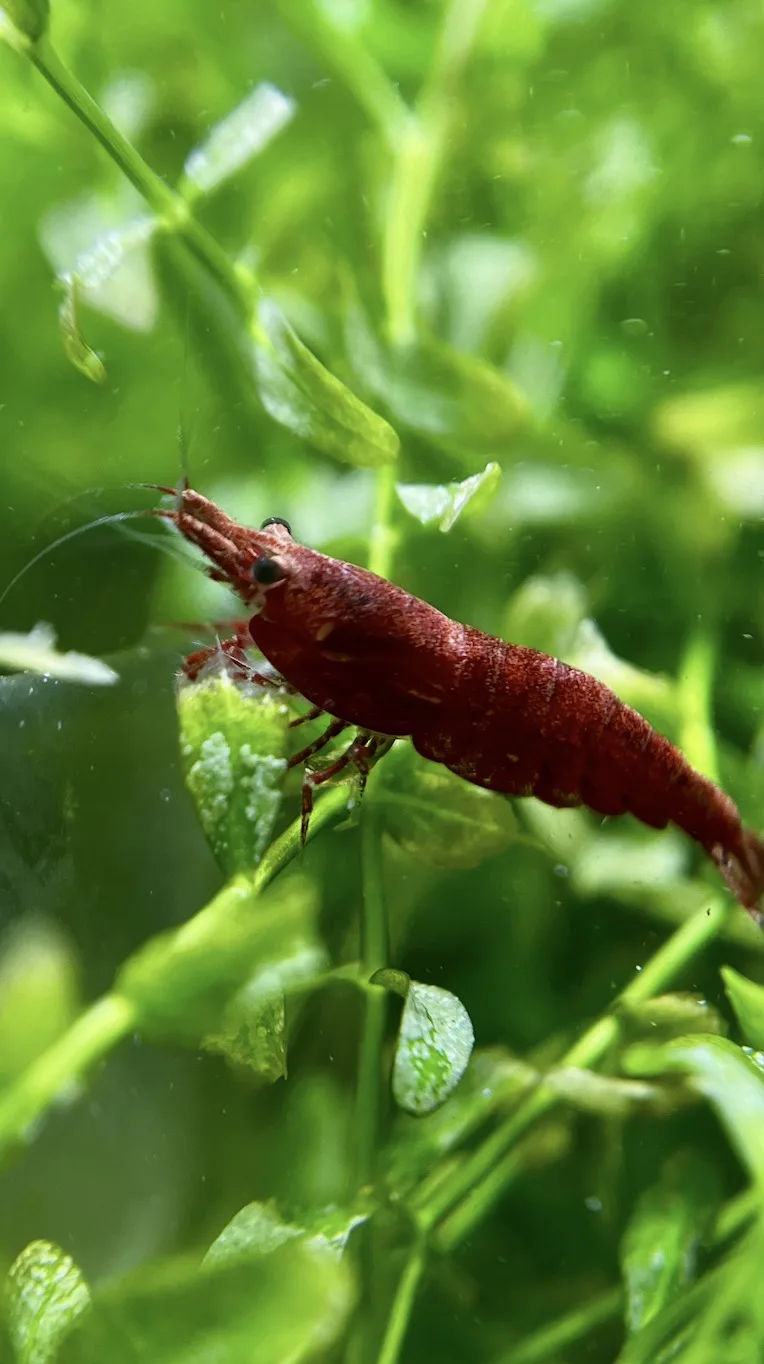
Neocaridina davidi is the red cherry shrimp sold in every shop that keeps invertebrates. Adults are about an inch. Start with at least ten so the colony can bounce back from early losses and so you see them instead of hunting one lonely shrimp. Five gallons is the floor for that starter group; ten gallons gives more biofilm surface and more room for plants and molting hides.
Temps in the mid-70s °F look and breed best. They tolerate roughly 65–80°F, but a hot desk tank shortens lifespan and a cold basement slows them down. A heater on a shrimp 10 is still normal in air-conditioned houses. Finish the cycle before you buy. Ammonia spikes kill shrimp as fast as they kill fish.
Minerals, molts, and copper
Shrimp shed their shells as they grow. Soft, mineral-poor water (very low GH) is a common reason for failed molts and sudden die-offs after a water change that strips hardness. Aim for roughly GH 6–8 with some KH so pH does not swing overnight. Test GH/KH if your tap is RO, rainwater-soft, or unknown.
Copper kills them. Some ich meds, plant fertilizers, and old copper pipes leach enough to wipe a colony. Read labels. A chloramine-capable dechlorinator is enough for tap water. You do not need a copper-based parasite cocktail in a shrimp tank. If you treat ich elsewhere on the site, keep that chemistry out of this tank.
Food and tank mates
Biofilm on plants, glass, and wood is the staple. A sinking veg wafer or dedicated shrimp food a few times a week fills gaps when the glass is clean. Uneaten food fouls a nano faster than it feeds shrimp. They are not a reason to skip vacuuming and weekly water changes.
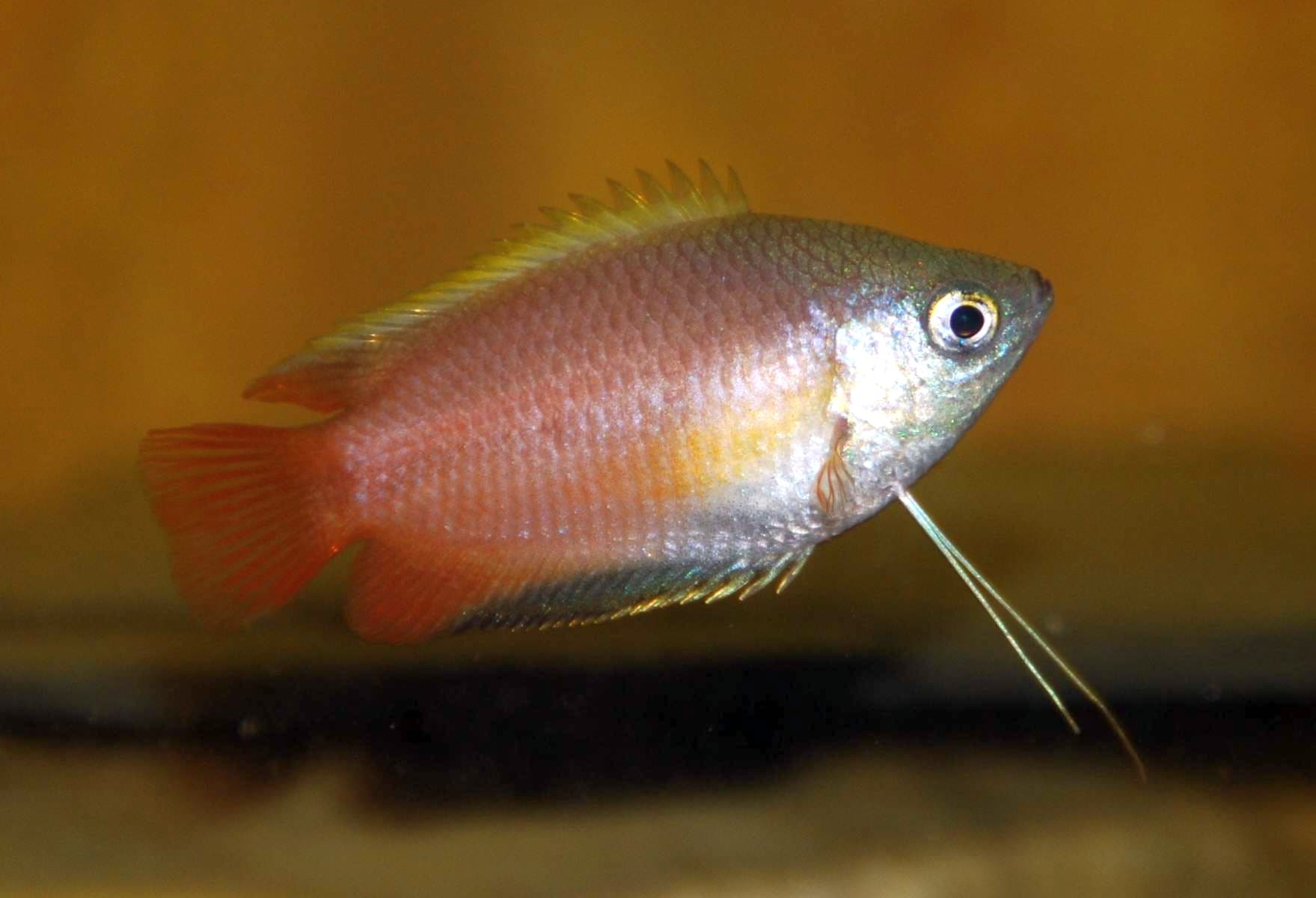
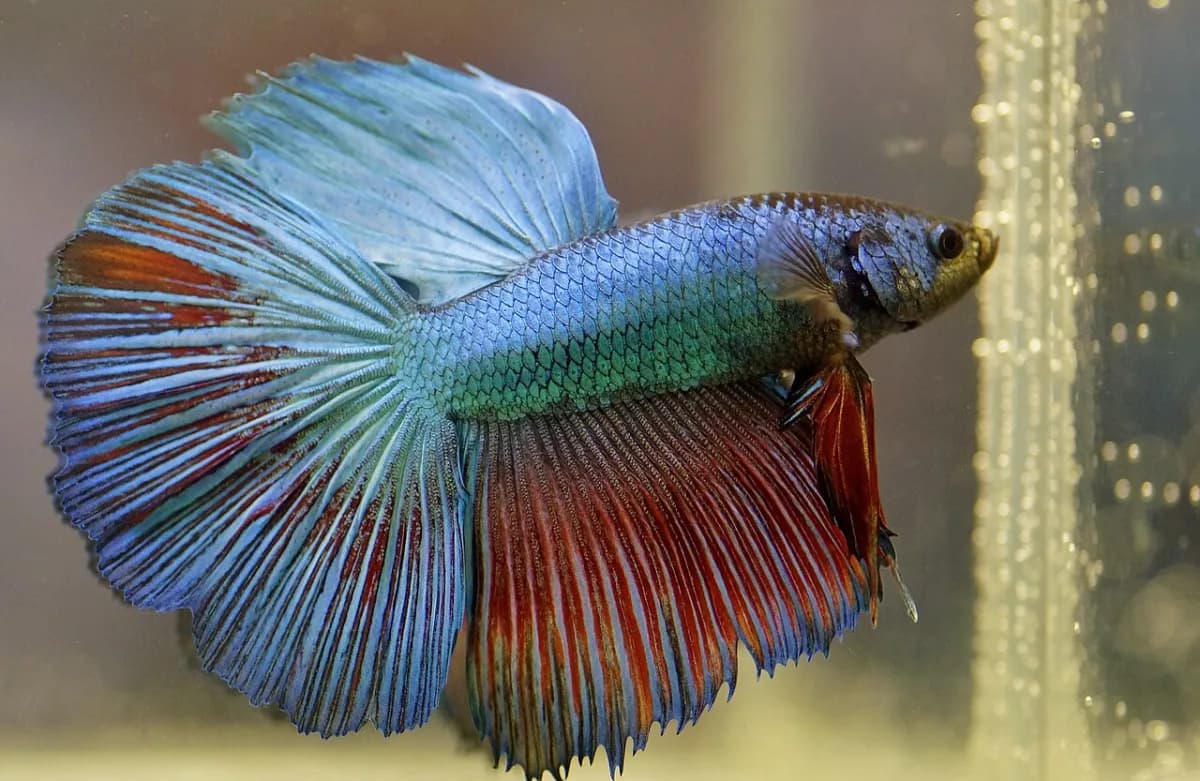
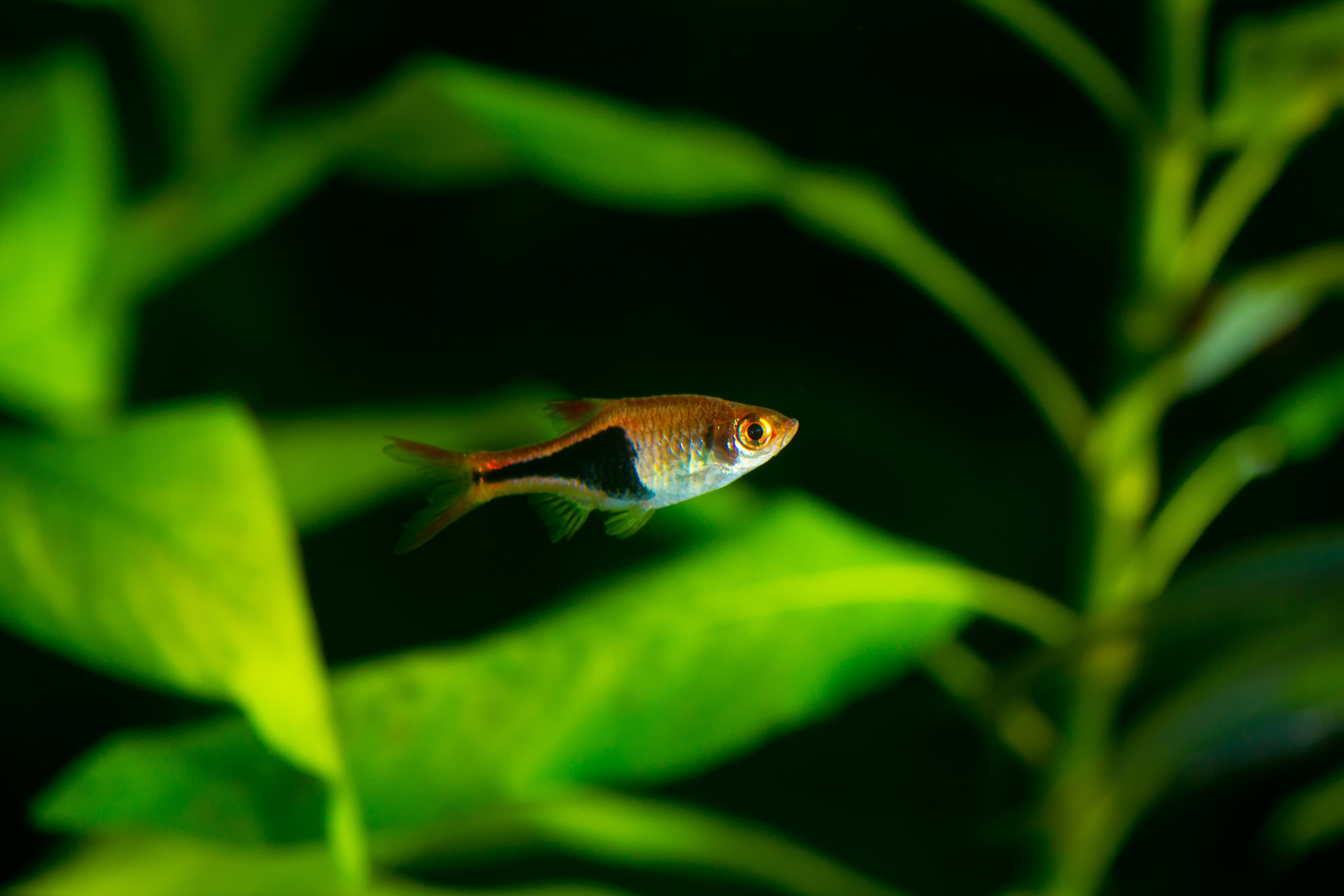
Adult cherry shrimp can share a planted tank with otos, small rasboras, honey gouramis, and many tetras. Shrimplets still get eaten, plan on that if you want a growing colony. Bettas sometimes ignore adults and sometimes hunt them; treat it as a gamble. Goldfish and cichlids treat shrimp as snacks.
Color grades without a catalog
Red cherry, sakura, fire red, and painted grades are the same species with different color intensity. Mixing grades washes color toward wild-type brown over generations if you breed freely. Buy one grade if color matters to you. Blue, yellow, and other Neocaridina morphs share the same care. This page is the red cherry care baseline, not a 40-morph shopping list.
Gentle filtration (sponge or baffled HOB), a lid, moss or fine plants for shrimplet cover, and stable water beat gadgets. Dim to moderate light helps biofilm without cooking the tank into algae soup. See the aquarium LED light notes for photoperiod.
_01.png)