
Freshwater · Beginner
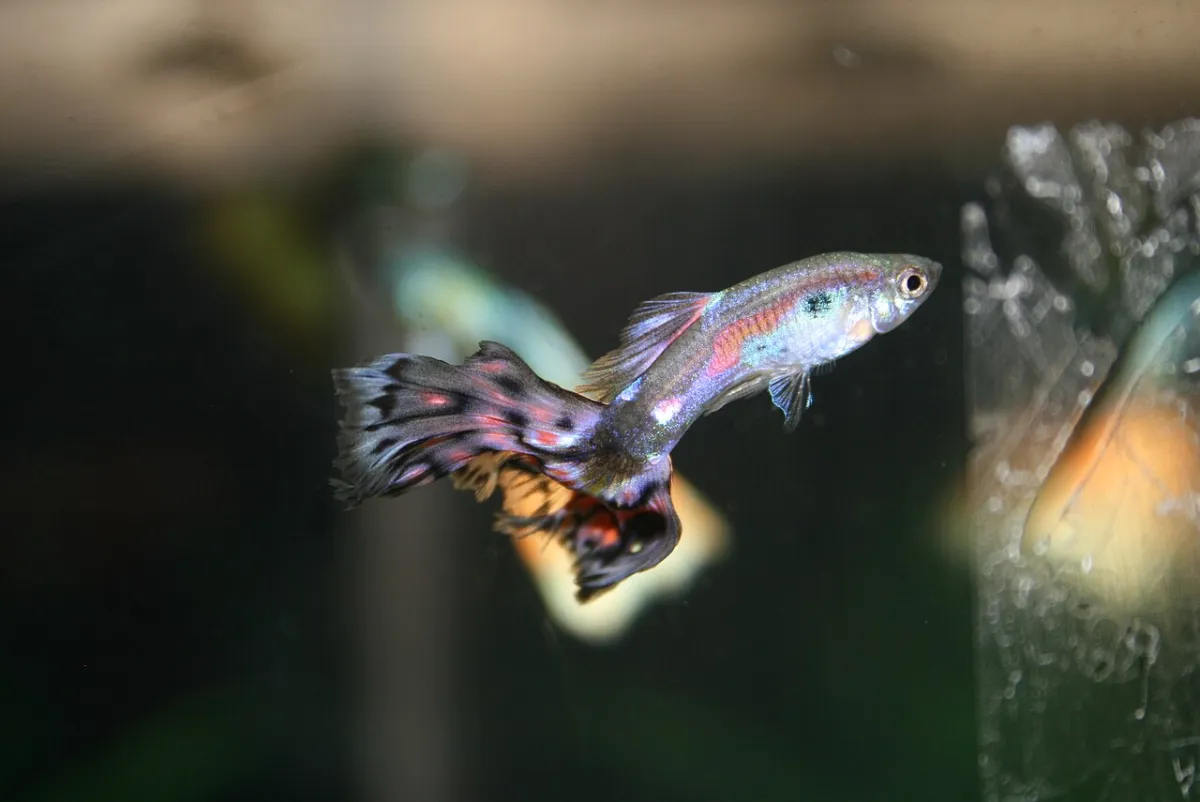
Guppy
Poecilia reticulata
Guppies are colorful, active livebearers for a heated 10-gallon (or larger) community — with one caveat: mixed sexes will produce fry, often lots of them.
Min. tank: 10 gal
Care notes →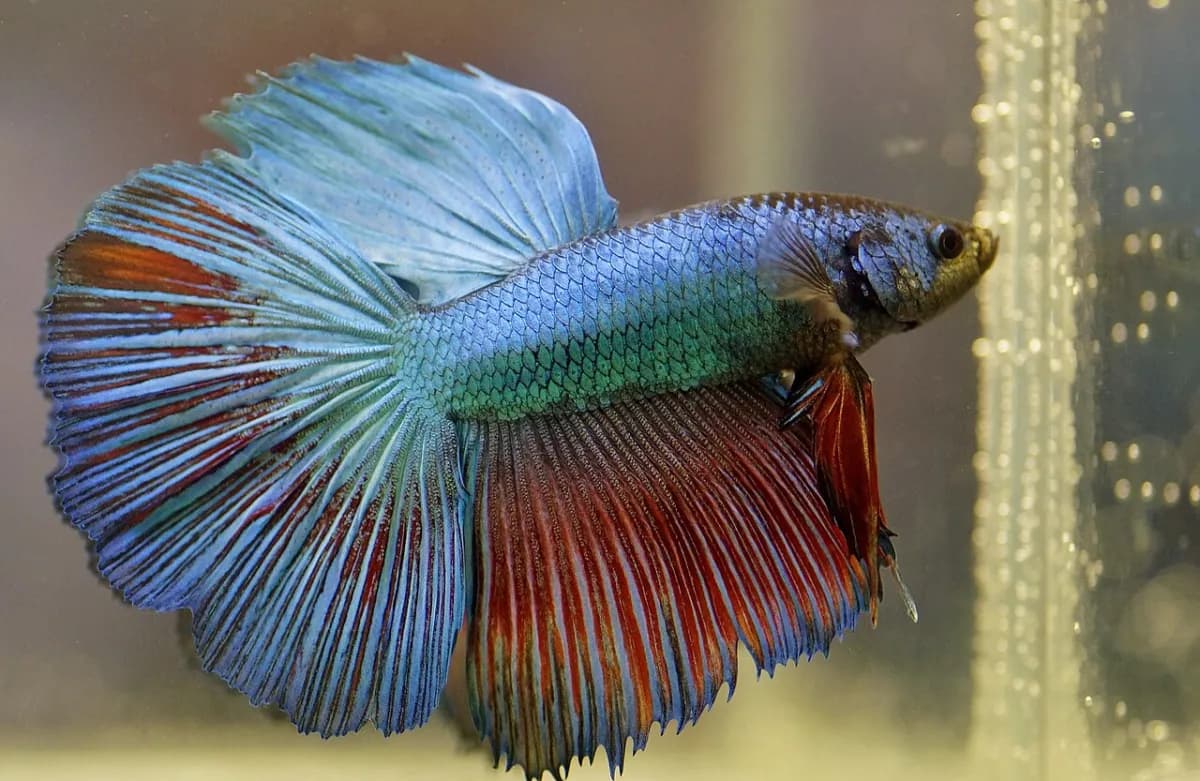
Photo: ivabalk · CC0
Freshwater · Beginner · 5+ gal
Betta splendens
Bettas are labyrinth fish that breathe from the surface, but they still need a heated, filtered aquarium — not a vase. A 5-gallon tank is a practical minimum for a single male.
| Water type | Freshwater |
|---|---|
| Care level | Beginner |
| Minimum tank | 5 gallons |
| Temperament | Males are territorial with other male bettas and may nip long-finned tank mates. Females can live in carefully managed groups; males are usually best kept singly. |
| Diet | Carnivorous. High-quality betta pellets as a staple, supplemented with frozen or live brine shrimp, daphnia, and bloodworms. Feed small portions once or twice daily; skip a day occasionally. |
| Temperature | 76–82 °F |
| pH | 6.5–7.5 |
| Hardness / salinity | Soft to moderately hard (around 5–20 dGH). Stable, clean water matters more than chasing a perfect number. |
Betta splendens is often sold with a tiny cup, bowl, or unheated vase. That is marketing, not husbandry. These fish evolved in warm, vegetated waters in Southeast Asia. In the home they do best in a fully cycled aquarium with a heater, gentle filtration, and a lid.
A 5-gallon tank is a widely accepted minimum for one male. Ten gallons is easier to keep stable and gives more swimming room for long-finned strains. Bare, unheated containers swing in temperature and foul quickly.
Use a heater set in the mid-to-upper 70s °F. Bettas become lethargic and prone to disease in cool rooms. Choose a filter with a gentle outflow — sponge filters and baffled hang-on-back filters are popular — because long fins do not handle a blast of current well.
Provide resting spots near the surface (broad leaves, betta hammocks, or floating plants) and cover so they feel secure. Silk or live plants are kinder than sharp plastic décor that can tear fins. They are jumpers; keep a tight lid with space at the surface to gulp air.
Cycle the tank before adding the fish. Weekly water changes of about 25–40%, vacuuming debris, and testing ammonia, nitrite, and nitrate will catch problems early. Bettas tolerate a range of pH, but they do not tolerate ammonia.
Condition tap water to remove chlorine or chloramine. If you keep the tank planted, moderate lighting and a simple fertilizer routine are enough — skip intense reef-style lighting.
Watch for clamped fins, lethargy, loss of appetite, white fungus-like patches, or bloating. Many issues trace back to cold water, dirty water, or overfeeding. Fin rot is common in poorly kept cups and bowls; it is far less common in a warm, clean aquarium.
Do not add aquarium salt as a default. Use medication only when you have a reason, and never mix random treatments. Quarantine new plants and tank mates when you can.
A bowl is a poor home. There is usually no heater, no filter, and too little water to stay stable. Plan on at least 5 gallons, heated and filtered.
Yes in almost every home. They are tropical fish. Room-temperature tanks in air-conditioned houses are often too cold.
No. Males are famously territorial and will fight, often to serious injury. That is the origin of the 'Siamese fighting fish' name.
They can be, if you give them a cycled, heated 5-gallon (or larger) tank and do not treat them as a desk ornament. The fish is hardy; the typical retail setup is not.
Freshwater · Beginner
Poecilia reticulata
Guppies are colorful, active livebearers for a heated 10-gallon (or larger) community — with one caveat: mixed sexes will produce fry, often lots of them.
Min. tank: 10 gal
Care notes →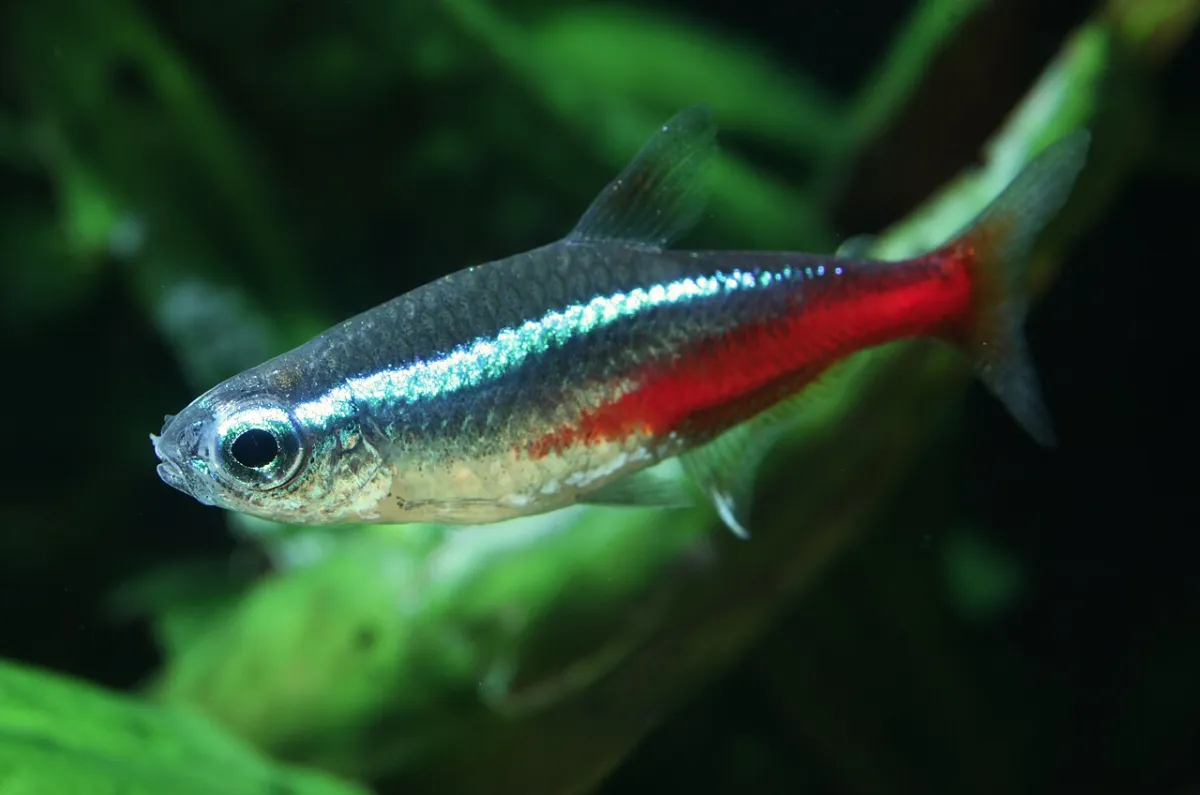
Freshwater · Beginner
Paracheirodon innesi
Neon tetras are small Amazonian schoolers that look their best in a planted 10-gallon (or larger) tank with a proper group, dimmer light, and stable, clean water.
Min. tank: 10 gal
Care notes →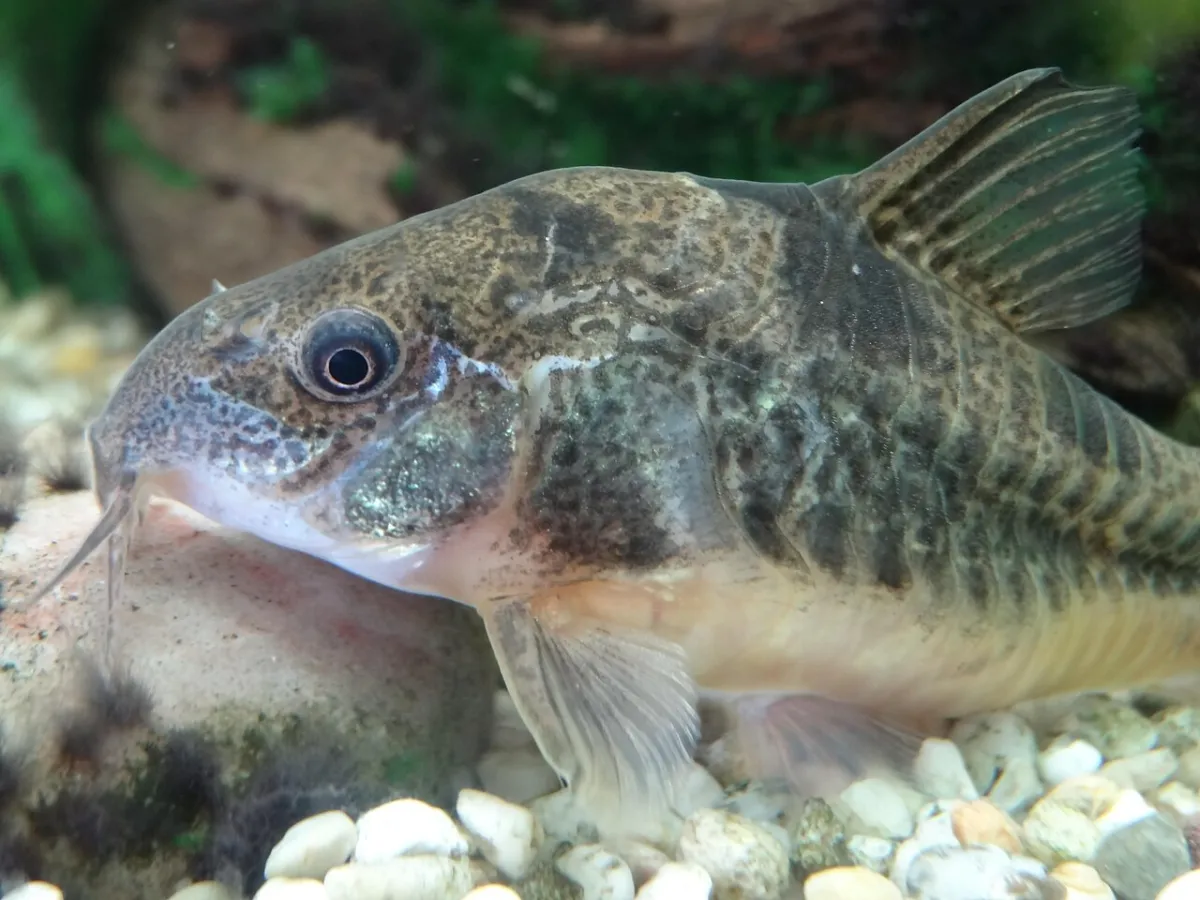
Freshwater · Beginner
Corydoras paleatus
Peppered corydoras are social, sandy-bottom catfish. Keep a group of six or more in a 20-gallon tank with sand, not gravel that can nick their barbels.
Min. tank: 20 gal
Care notes →