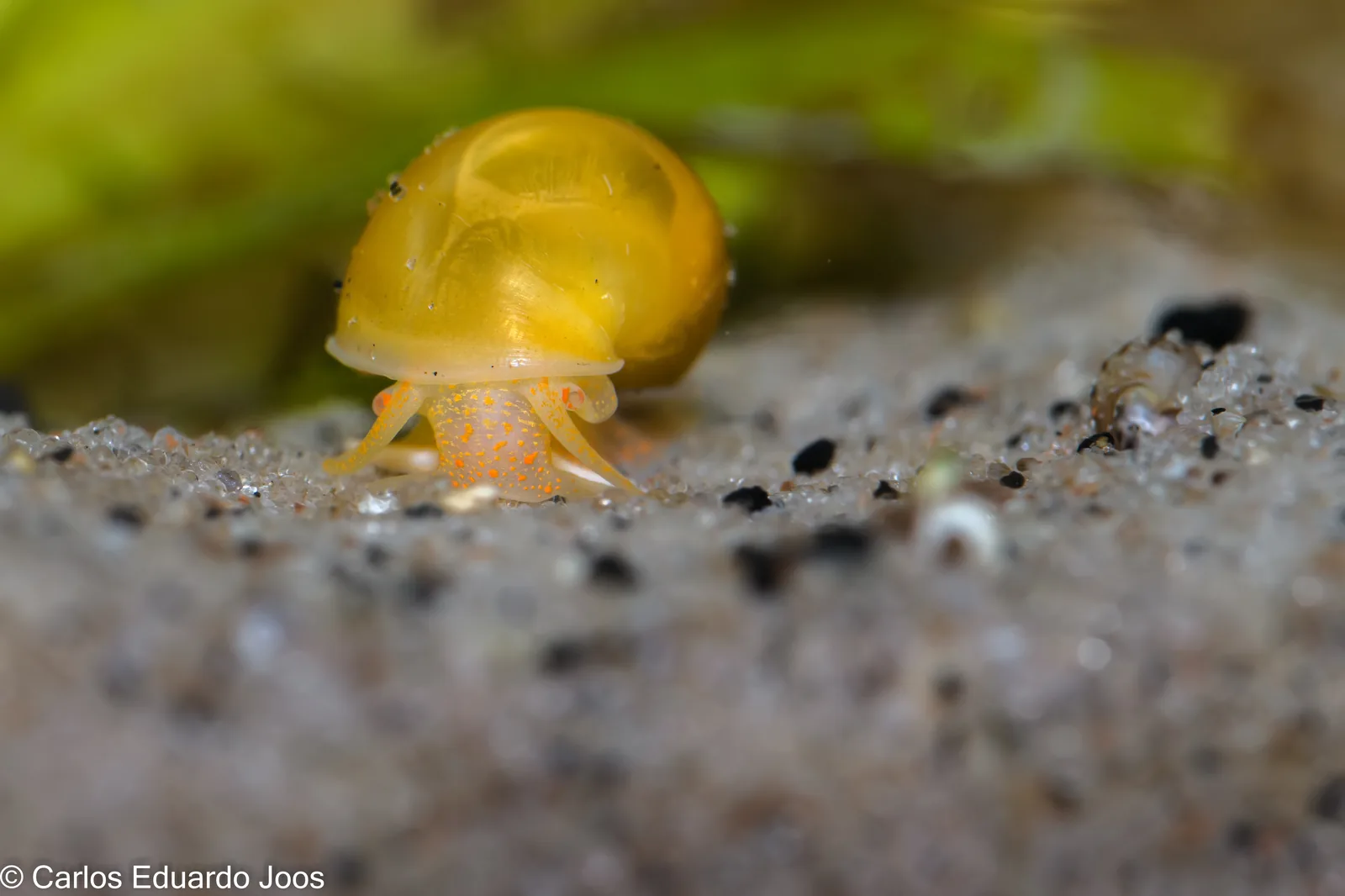
Mystery snails (Pomacea diffusa) are the gold, ivory, blue, and magenta apple snails sold for aquariums. Same care across those color morphs. Adults reach about 2 inches. Plan 5–10 gallons for one, and expect more bioload than a nerite. They breathe at the surface, lay pink clutches above the waterline, and will tour the carpet if you skip the lid. Hard water and calcium keep the shell intact.
Peaceful scavengers. One snail per about 5–10 gallons. They ignore fish and shrimp. They climb, breathe at the surface, and need a lid with an air gap. Copper meds kill them.
Diet
Biofilm and leftover bits first, then sinking veg wafers or blanched zucchini on a schedule. Hungry mysteries nibble soft plants. They are not a water-change replacement.
Temperature
68–82 °F
pH
7–8.2
Hardness / salinity
GH roughly 6+ (°dGH) with calcium available. Soft, acidic water pits shells the same way it does for nerites. Add cuttlebone or crushed coral if tap is soft. Stable hardness beats chasing a perfect pH number.
Mystery snail, not the pest apple snail
Shops sell Pomacea diffusa as mystery snails in ivory, gold, blue, magenta, and other shell colors. Those are color morphs of one species, not different care sheets. Adults stay around 2 inches. The raised spire and rounded shell help separate them from the larger, more destructive apple snails that chew plants and invade waterways. If a bag is labeled only "apple snail" with no species and the animal is already huge, ask before you buy.
They are beginner livestock when the tank is cycled and the water is hard enough. Finish the cycle first. Ammonia spikes kill invertebrates as fast as they kill fish. Copper meds, some plant fertilizers, and old copper plumbing wipe them out. Keep copper chemistry out of this tank. Skip snail-eating fish too. A pea puffer picks at a mystery snail's antennae and foot until the snail dies.
Five to ten gallons, air gap, and a lid
Five gallons is the floor for one adult. Ten gallons is kinder because mysteries produce more waste than a nerite of similar shell size. Stock roughly one snail per 5–10 gallons. A crowded nano fills with nitrate fast once they start eating wafers every day.
They breathe air at the surface and lay egg clutches on glass above the waterline. Leave a couple inches of air under the lid so they can reach the surface and so clutches can stick. Still use a fitted lid or canopy. Mysteries climb, and a gap at the filter cutout is how they end up on the carpet overnight. See aquarium lids if your kit came with a loose plastic top.
Hard water, calcium, and what they eat
Temps roughly 68–82°F work for most shop snails. In a cold room, an adjustable heater holds that range. pH around 7.0–8.2 with GH of about 6 or higher keeps shells solid. Soft, acidic water pits the shell over weeks. White fuzz and a thin leading edge are early signs. If your tap is soft or you run RO, remineralize and keep cuttlebone or crushed coral in the tank. Test GH and KH with a test kit so you know whether tap water already covers them. The GH/KH and pH guide walks through what those numbers mean.
Soft green film and leftover food are the staple. Spotless new tanks leave them hungry. Break off a sinking veg wafer or offer blanched zucchini a few times a week, then pull leftovers after a few hours. Hungry mysteries rasp soft plants. Val and some stems take more damage than tougher Anubias and Java fern. Pair them with nerites if you want algae help that will not hatch babies in freshwater. Nerite eggs stay inert in home tanks. Mystery clutches hatch if you leave them.
Tank mates
Nerite snails if you want algae help that will not breed in freshwater
Cherry shrimp in a copper-free planted tank
Bettas that leave big snails alone
Calm community tetras and rasboras
Skip copper meds, and skip fish that crush snails for snacks
Gear for this fish
A few listings we would open for this species. Skip anything you already own that still works.
Tetra PlecoWafers, 3.03 oz
Sinking veg wafers fill the gap when biofilm is thin. Break off a small piece a few times a week and pull what is left after a few hours so soft plants stay off the menu.
Blanched zucchini still belongs in the rotation. Skip dumping a whole wafer into a lightly stocked 5-gallon. Uneaten food fouls the tank faster than it feeds snails.
Calcium for shell growth in soft tap water. Boil a piece so it sinks, or tuck it in the filter for grazing.
Two pieces last a long time in a small tank. Skip this if your GH already sits above about 6 and shells look solid. Pair with a GH/KH kit so you are not guessing.
Mysteries climb and breathe at the surface. A fitted lid with a couple inches of air gap keeps them in the tank without sealing off the clutch zone.
Match length to your tank. Leave the waterline a couple inches down so they can surface and so egg clutches have glass to stick to. Mesh kits work when a full glass canopy will not fit the filter.
Females lay pink or cream clutches on glass, lids, and equipment above the waterline. Peel them off and discard if you do not want babies. Leave them in humid air above the water if you do. Unlike nerites, mystery snails breed in freshwater, so one clutch can become a crowd.
What size tank do mystery snails need?+
Five gallons for one adult is the floor. Ten gallons is easier on water quality. Plan about one snail per 5–10 gallons. They bioload more than nerites, so do not stuff a nano with a group.
Why is my mystery snail's shell pitting?+
Soft or acidic water dissolves calcium from the shell. Raise GH with remineralizer or crushed coral, keep pH out of the acidic range, and add cuttlebone. Old damage does not grow back, but new growth can look healthier.
Will mystery snails eat my plants?+
Healthy snails on a regular wafer and veg schedule mostly leave tough plants alone. Soft leaves and melting stems get nibbled when food is short. Feed on a schedule before you blame the snail for a plant that was already failing.
Next step
Planning a tank for these?
Plan on 5 gallons or more. Put your actual tank size into the stocking calculator and it shows what else can live alongside them.
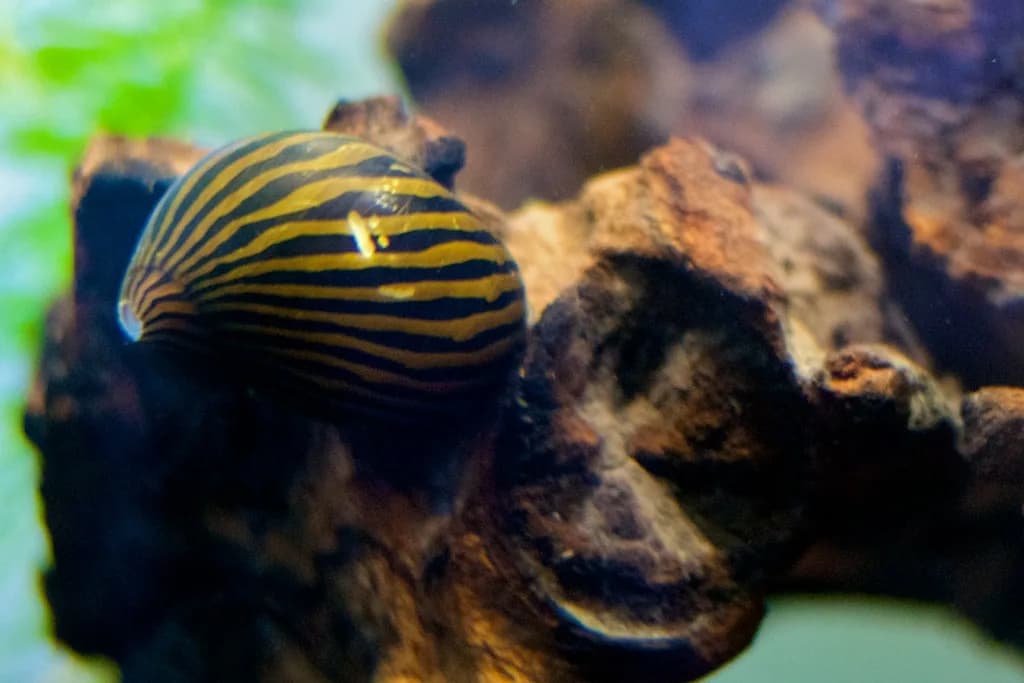
Nerite snails sold in shops are a trade mix of Neritina, Clithon, and Vittina. Zebra, olive, horn, and tiger are shell patterns with the same care. Beginner livestock if the water is hard enough. Adults reach about 0.75–1 inch. Plan one snail per 5–10 gallons, starting at 5 gallons. They graze algae and biofilm, lay eggs that do not hatch in freshwater, and need a lid.
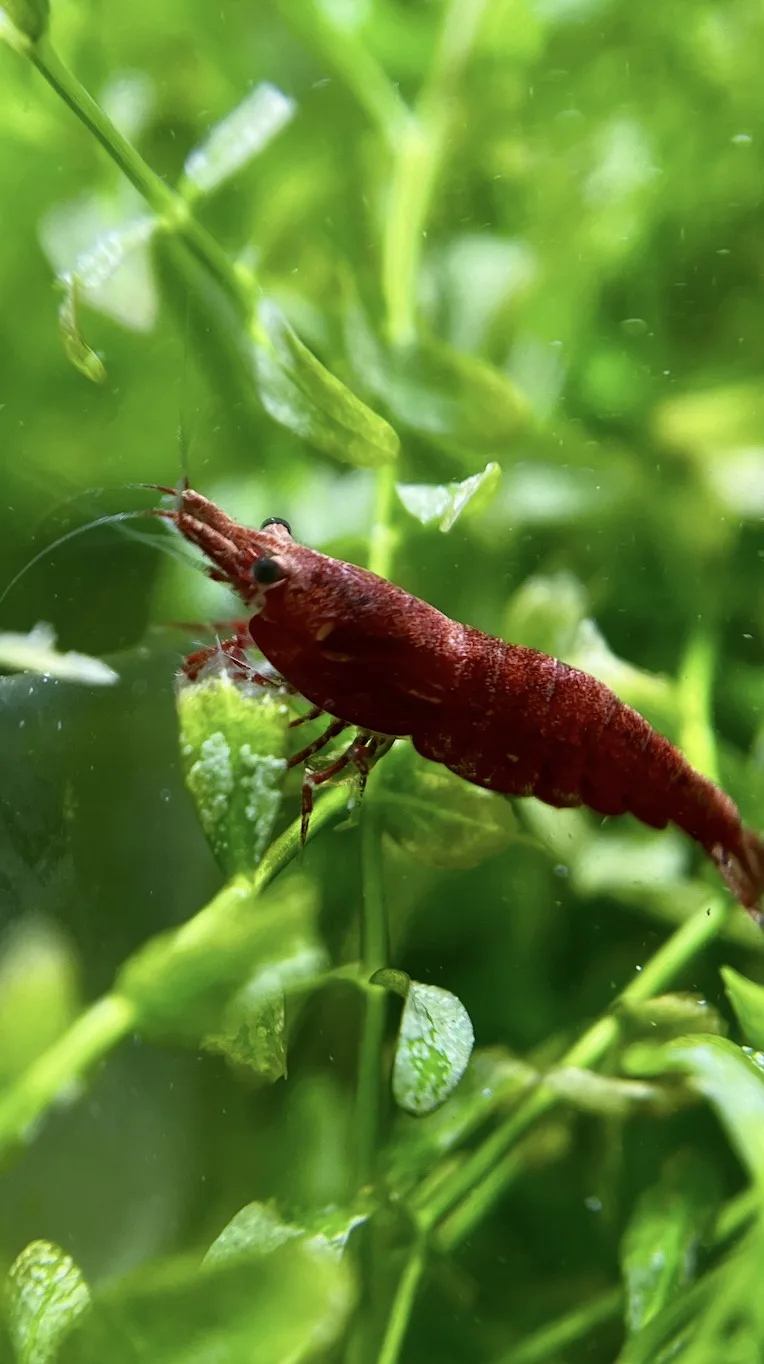
Cherry shrimp (Neocaridina davidi) are beginner invertebrates if the tank is cycled and copper-free. A starter colony of 10+ needs about 5 gallons; 10 gallons is easier. They need minerals for molting, not a second fish-page clone.
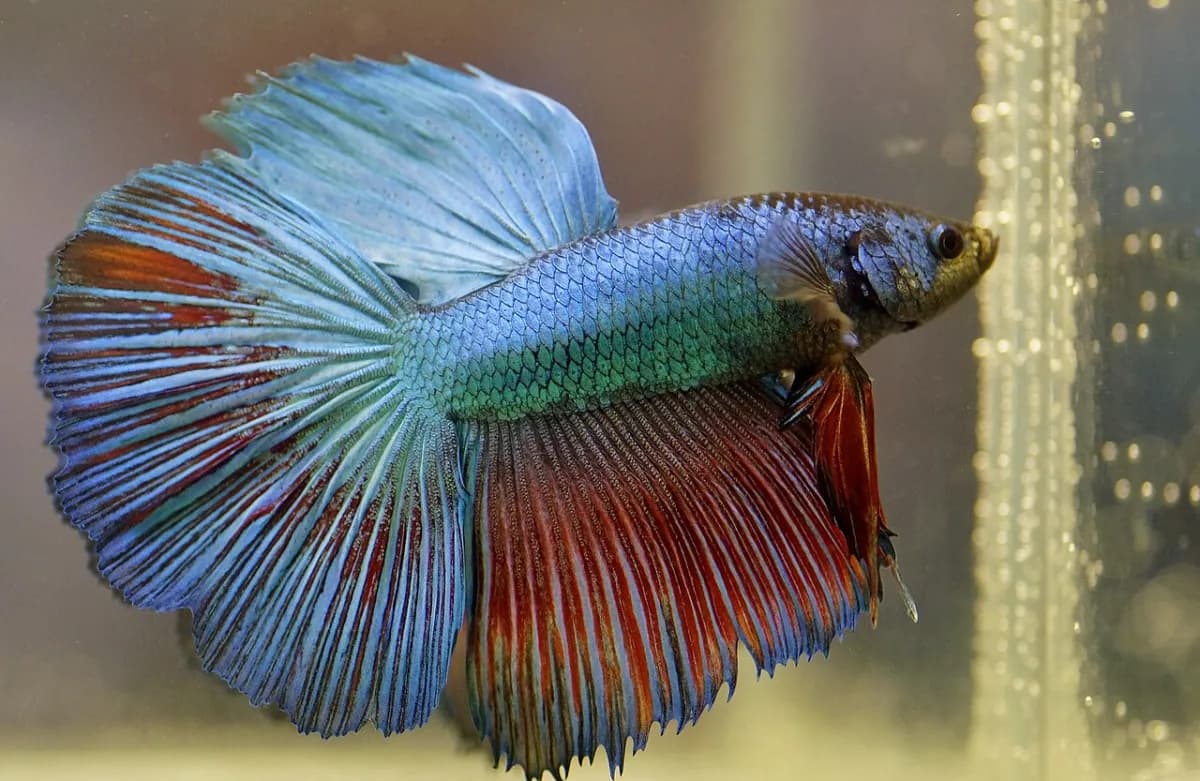
Bettas are labyrinth fish that breathe from the surface, but they still need a heated, filtered aquarium, not a vase. A 5-gallon tank is a minimum for a single male.