
Saltwater · Intermediate
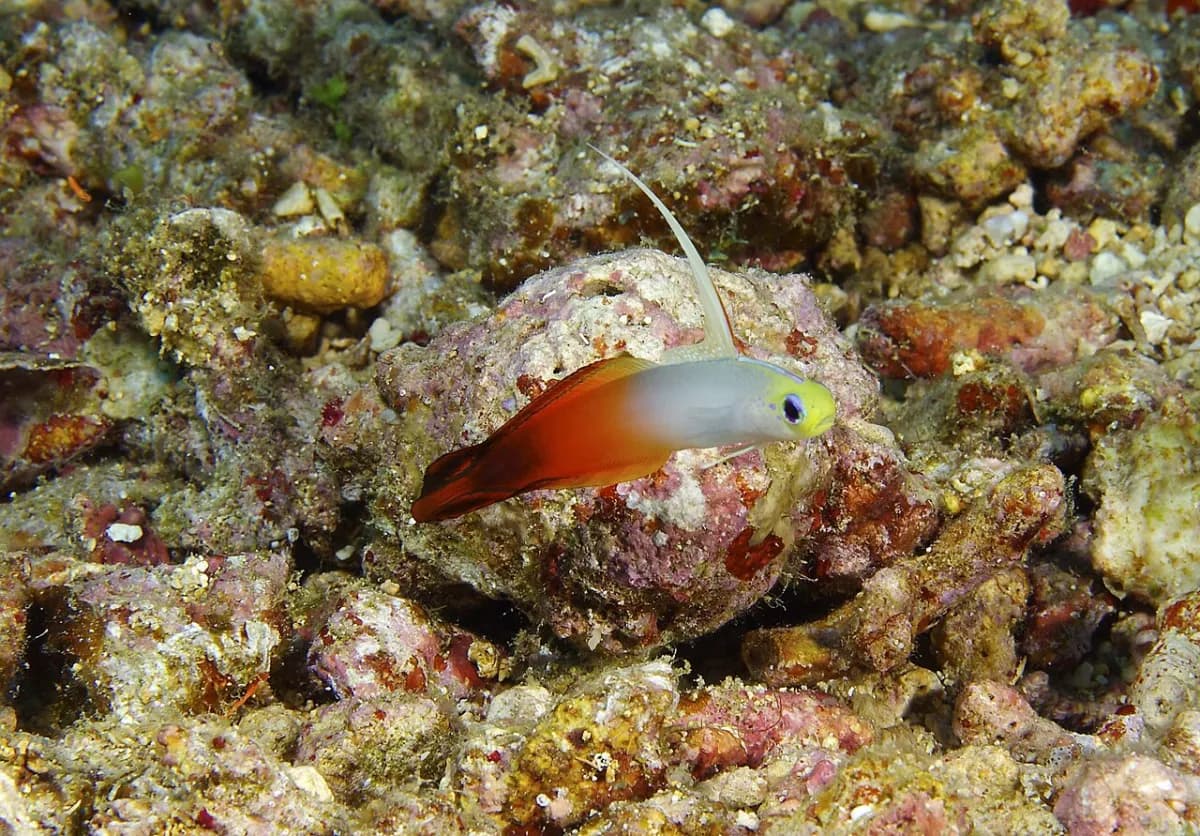
Firefish goby
Nemateleotris magnifica
Firefish gobies are elegant, hovering dartfish for a covered saltwater tank. A 20-gallon reef can work for one; the lid is not optional — they jump.
Min. tank: 20 gal
Care notes →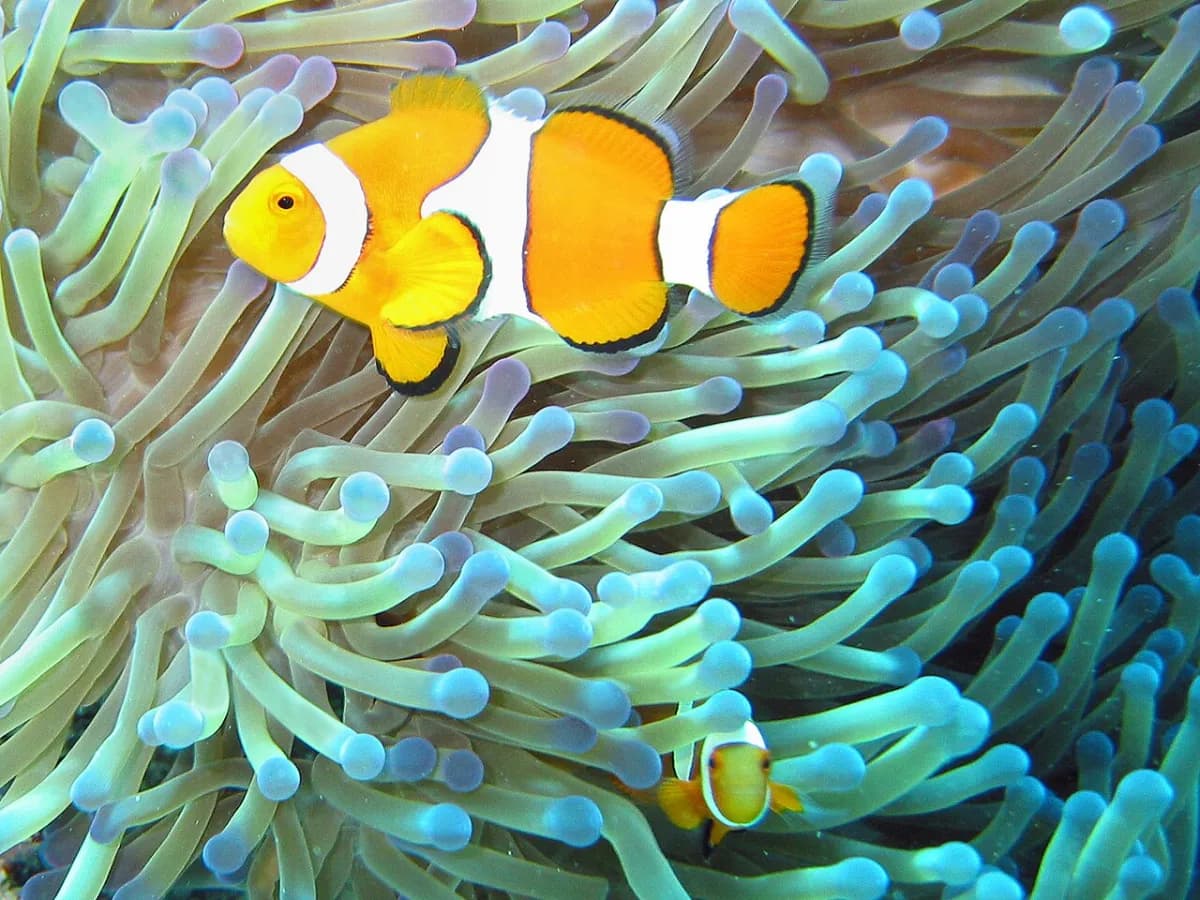
Photo: Janderk · Public domain
Saltwater · Intermediate · 20+ gal
Amphiprion ocellaris
Ocellaris clownfish are among the more forgiving marine fish — but they still need a cycled saltwater tank, stable salinity, and marine-level testing. A 20-gallon tank can house a pair; 30 gallons is more comfortable.
| Water type | Saltwater |
|---|---|
| Care level | Intermediate |
| Minimum tank | 20 gallons |
| Temperament | A bonded pair is usually peaceful in a reef or FOWLR tank. They may be territorial around a host anemone or a favored rock. Do not mix with large aggressive marines that will hunt them. |
| Diet | Omnivore. Frozen mysis, brine, chopped seafood, and a quality marine pellet or frozen prep. Feed small amounts once or twice daily. They will also pick at some detritus and pods. |
| Temperature | 74–78 °F |
| pH | 8–8.4 |
| Hardness / salinity | Marine salinity around 1.024–1.026 specific gravity. Alkalinity, calcium, and magnesium matter more in reef tanks than GH in the freshwater sense. |
Amphiprion ocellaris is captive-bred in huge numbers and is often the first saltwater fish people keep. The fish is relatively hardy. The aquarium is not: you still need a nitrogen cycle, marine salt, a hydrometer or refractometer, and usually live rock or a dedicated biological filter.
A 20-gallon tank can work for a pair of ocellaris in a well-maintained nano reef or FOWLR (fish-only with live rock). Thirty gallons is more stable. They are intermediate because of saltwater husbandry, not because the fish is fragile.
Clownfish do not require an anemone to thrive. Hosting is natural and beautiful, but anemones need strong, appropriate lighting, stable parameters, and often a larger, mature tank. Buying a bubble-tip anemone on day one of a new nano is a common way to kill an expensive invertebrate.
Let the tank mature. If you add a host later, research that species — many 'carpet' anemones are poor beginner choices and can sting other livestock.
Clownfish are protandrous hermaphrodites: the largest in a group becomes female. A typical home pair is two fish that have sorted themselves. Adding a third adult to a small tank often means bullying. Buy two juveniles and let them pair, or buy an established pair.
No. They do well without one. Anemones are a separate, more demanding animal.
A well-run 20-gallon can house a pair. 30 gallons is a more comfortable, stable start for a first marine tank.
They are a reasonable first marine fish if you already understand cycling, salinity, and testing. They are not a shortcut around saltwater basics.
Saltwater · Intermediate
Nemateleotris magnifica
Firefish gobies are elegant, hovering dartfish for a covered saltwater tank. A 20-gallon reef can work for one; the lid is not optional — they jump.
Min. tank: 20 gal
Care notes →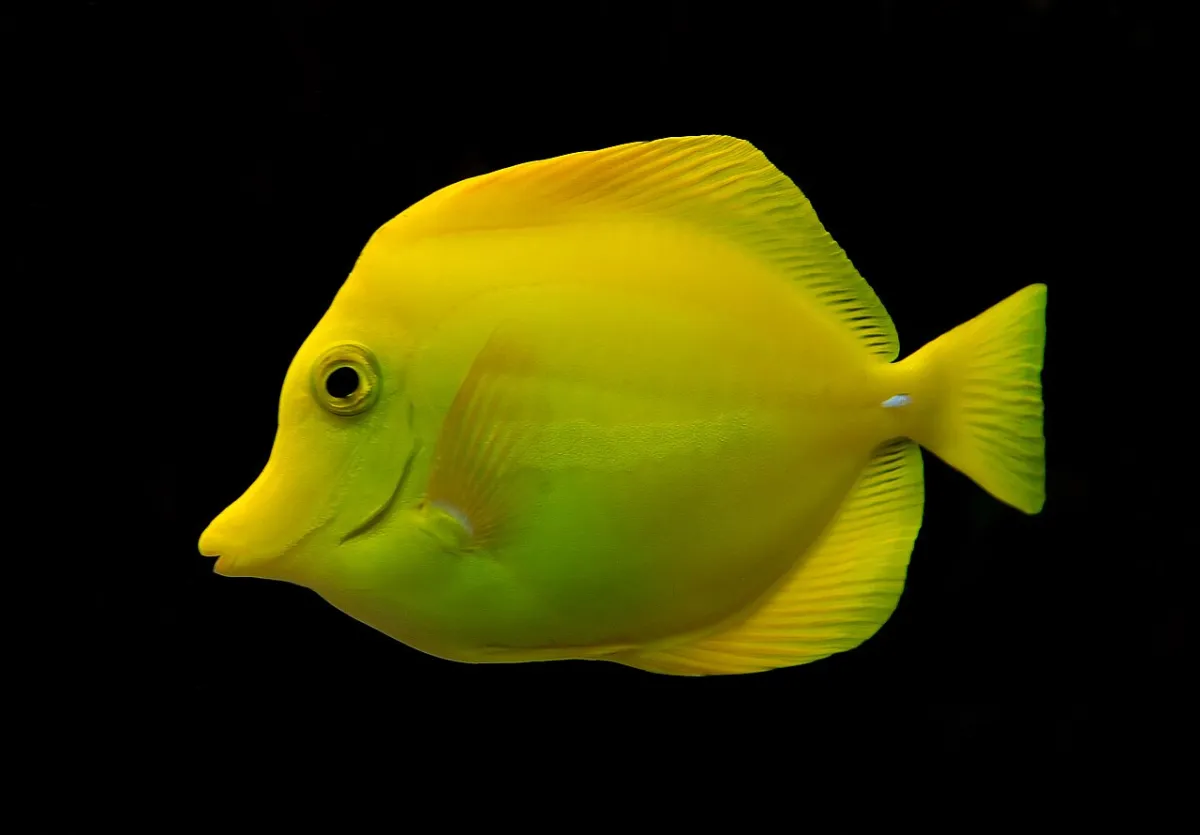
Saltwater · Intermediate
Zebrasoma flavescens
Yellow tangs are active Hawaiian surgeonfish that need swimming room, not a nano reef. A conservative home-aquarium minimum is about 125 gallons with length to patrol and rock to graze.
Min. tank: 125 gal
Care notes →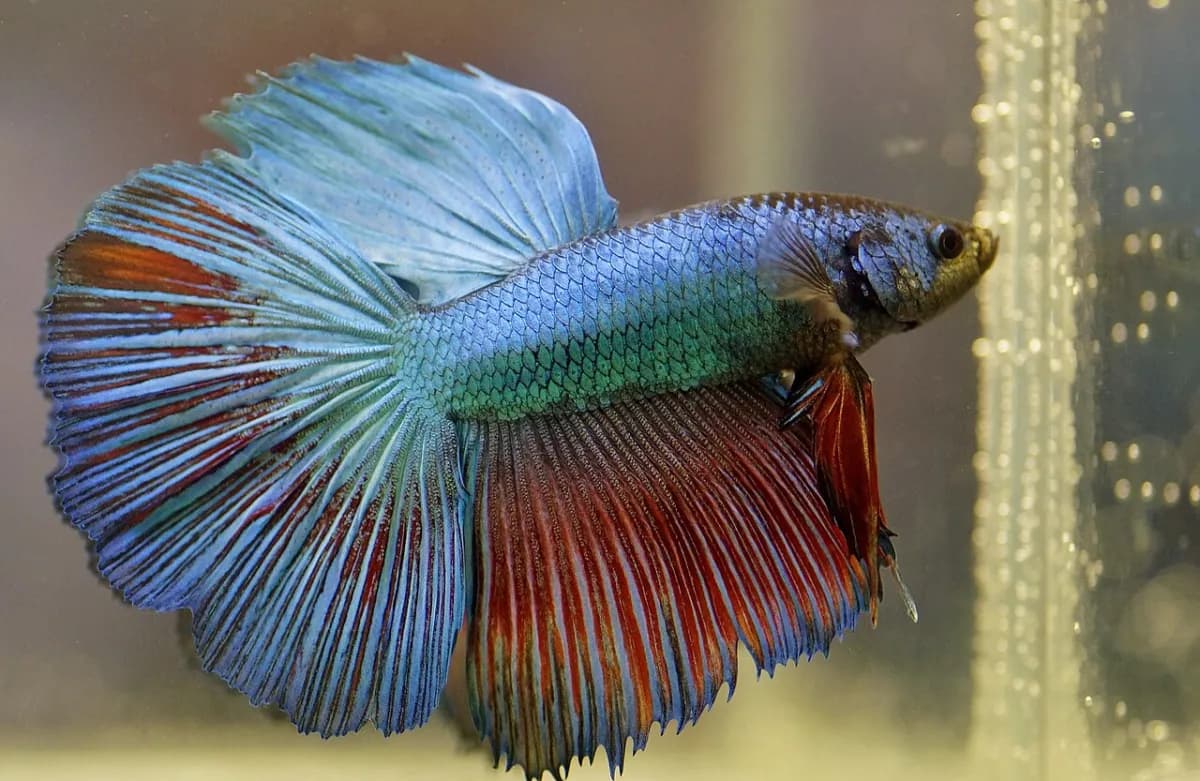
Freshwater · Beginner
Betta splendens
Bettas are labyrinth fish that breathe from the surface, but they still need a heated, filtered aquarium — not a vase. A 5-gallon tank is a practical minimum for a single male.
Min. tank: 5 gal
Care notes →