
Freshwater · Beginner
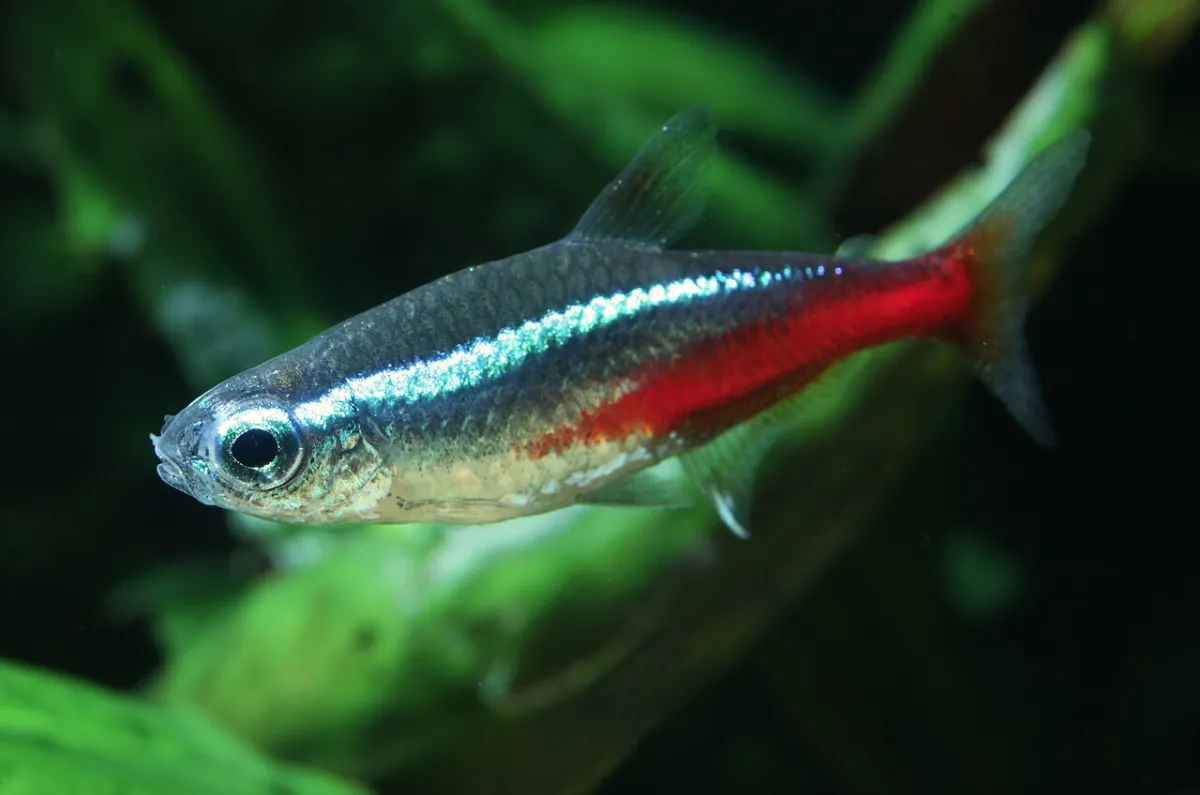
Neon tetra
Paracheirodon innesi
Neon tetras are small Amazonian schoolers that look their best in a planted 10-gallon (or larger) tank with a proper group, dimmer light, and stable, clean water.
Min. tank: 10 gal
Care notes →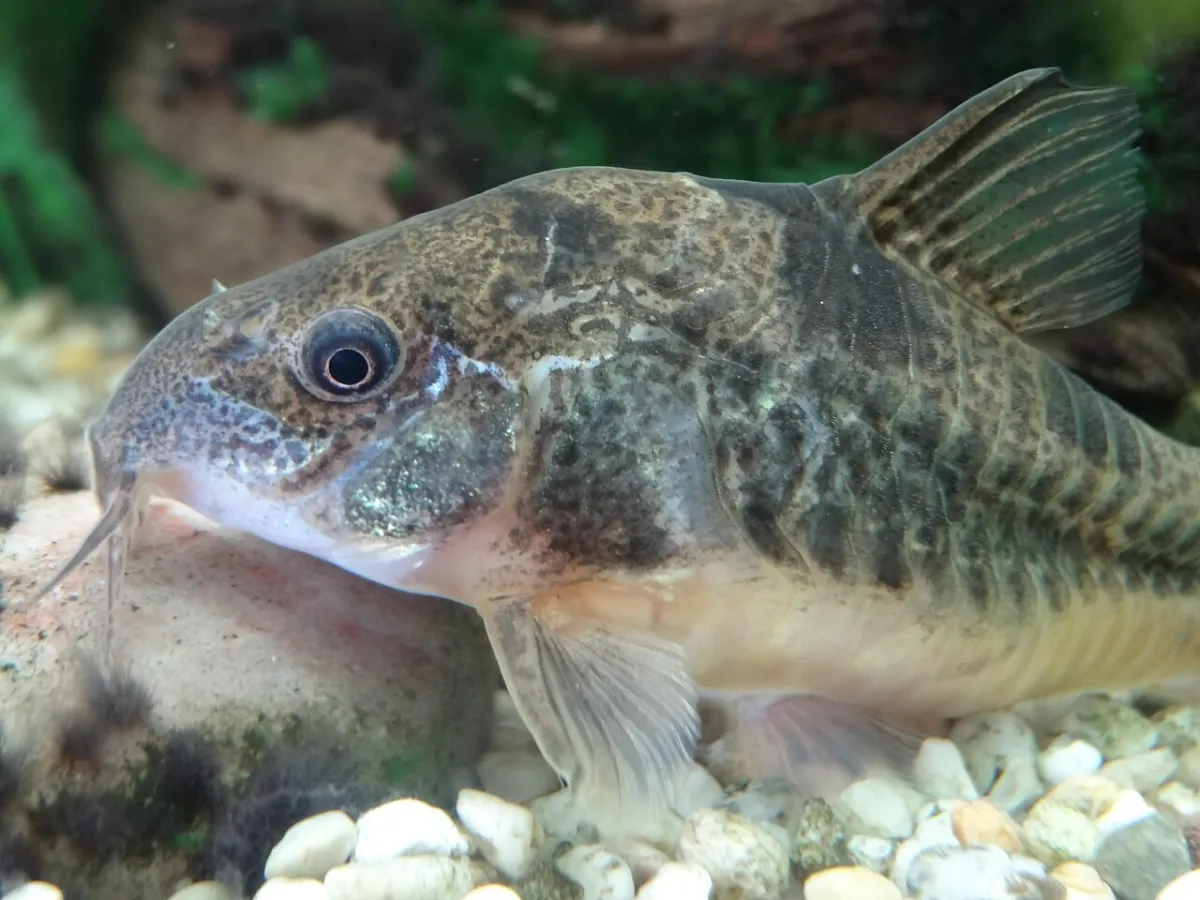
Photo: h080 · CC BY-SA 2.0
Freshwater · Beginner · 20+ gal
Corydoras paleatus
Peppered corydoras are social, sandy-bottom catfish. Keep a group of six or more in a 20-gallon tank with sand, not gravel that can nick their barbels.
| Water type | Freshwater |
|---|---|
| Care level | Beginner |
| Minimum tank | 20 gallons |
| Temperament | Peaceful, social bottom dweller. Must be kept in a group of six or more of their own kind. They do not 'clean' a tank by themselves. |
| Diet | Omnivore. Sinking wafers or pellets made for corydoras, plus frozen bloodworms, brine shrimp, and crushed flakes that reach the sand. Do not expect leftover flakes to be enough. |
| Temperature | 72–78 °F |
| pH | 6.5–7.5 |
| Hardness / salinity | Soft to moderately hard (around 2–15 dGH). They need cool, oxygen-rich water more than a perfect pH. |
Corydoras paleatus is a South American callichthyid catfish sold as a 'cleaner.' They will pick at leftover food, but they do not eat algae the way otocinclus or true algae eaters do, and a single cory in a 10-gallon is a lonely, stressed fish.
Plan a group of at least six. They school, rest in piles, and forage together. Twenty gallons is a sensible minimum for that group plus a small midwater school.
These fish sift substrate with sensitive barbels. Coarse or sharp gravel can wear barbels down and lead to infection. Fine sand (play sand that is aquarium-safe, or aquarium sand) is the usual recommendation. Smooth, rounded small gravel is a second choice.
They gulp air at the surface as part of normal gut respiration. That dart to the top is not always gasping, but frequent gasping at the surface with heavy breathing can mean low oxygen or poor water. Keep the water well oxygenated; they dislike stagnant, very warm tanks.
Cories are among the best community bottom dwellers for peaceful tropical tanks. They should not be housed with oscars, large aggressive cichlids, or goldfish that will outcompete and foul the water.
Feed them after lights out or with sinking foods so midwater fish do not steal every bite.
A few listings we would open for this species. Skip anything you already own that still works.
CaribSea Super Naturals Moonlight Sand
Peppered cories sift with their barbels. Fine, smooth sand is the usual substrate. This inert moonlight sand will not scrape them the way cheap sharp gravel does.
A 20-gallon wants something like a 20 lb bag for a real layer, not a 5 lb sample. Rinse until the water runs clearer. Skip play sand unless you know it is aquarium-safe and dust-free.
See this listingHikari Sinking Wafers, 1.76 oz
They are not a cleanup crew. Leftover flake that never reaches the sand is not a diet. These wafers were made for corydoras and other bottom feeders.
Feed after lights out or while midwater fish are busy so the wafers actually hit the sand. Frozen bloodworms a few times a week help. Skip algae wafers as the only food.
See this listingAqueon Adjustable Pro heater, 100W
They like cool tropical, not a hot discus tank. A 20-gallon group still needs a heater in most houses. 100W is the Pro size for that volume.
Keep them toward 72–76 F with good oxygen. Skip extra heat if they already sit in that range. They gulp air on purpose; gasping plus heavy breathing is a different problem.
See this listingSix or more of the same species. Mixed 'cory soup' of one each is less natural than a proper group of paleatus, aeneus, or another single species.
No. They scavenge some leftover food, but you still have to vacuum, change water, and feed them a real diet.
Fine sand that will not scrape their barbels. Avoid sharp gravel.
Freshwater · Beginner
Paracheirodon innesi
Neon tetras are small Amazonian schoolers that look their best in a planted 10-gallon (or larger) tank with a proper group, dimmer light, and stable, clean water.
Min. tank: 10 gal
Care notes →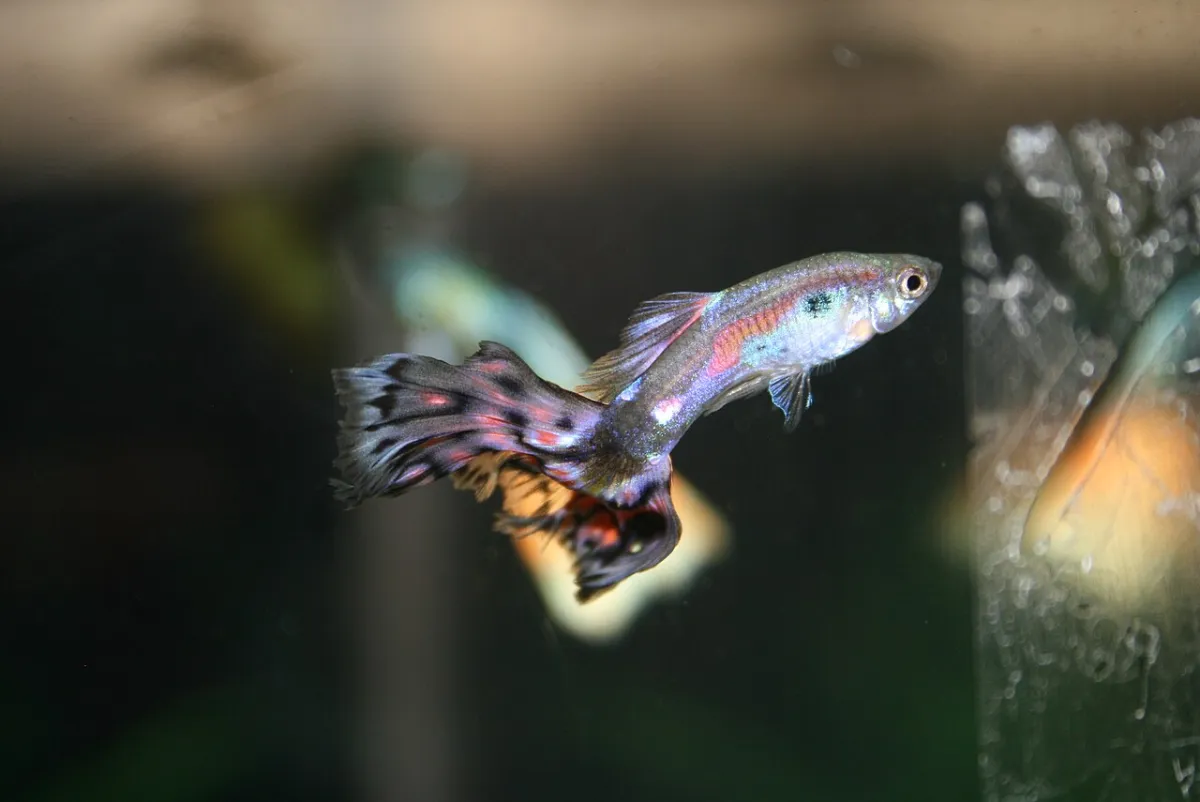
Freshwater · Beginner
Poecilia reticulata
Guppies are colorful, active livebearers for a heated 10-gallon (or larger) community, with one caveat: mixed sexes will produce fry, often lots of them.
Min. tank: 10 gal
Care notes →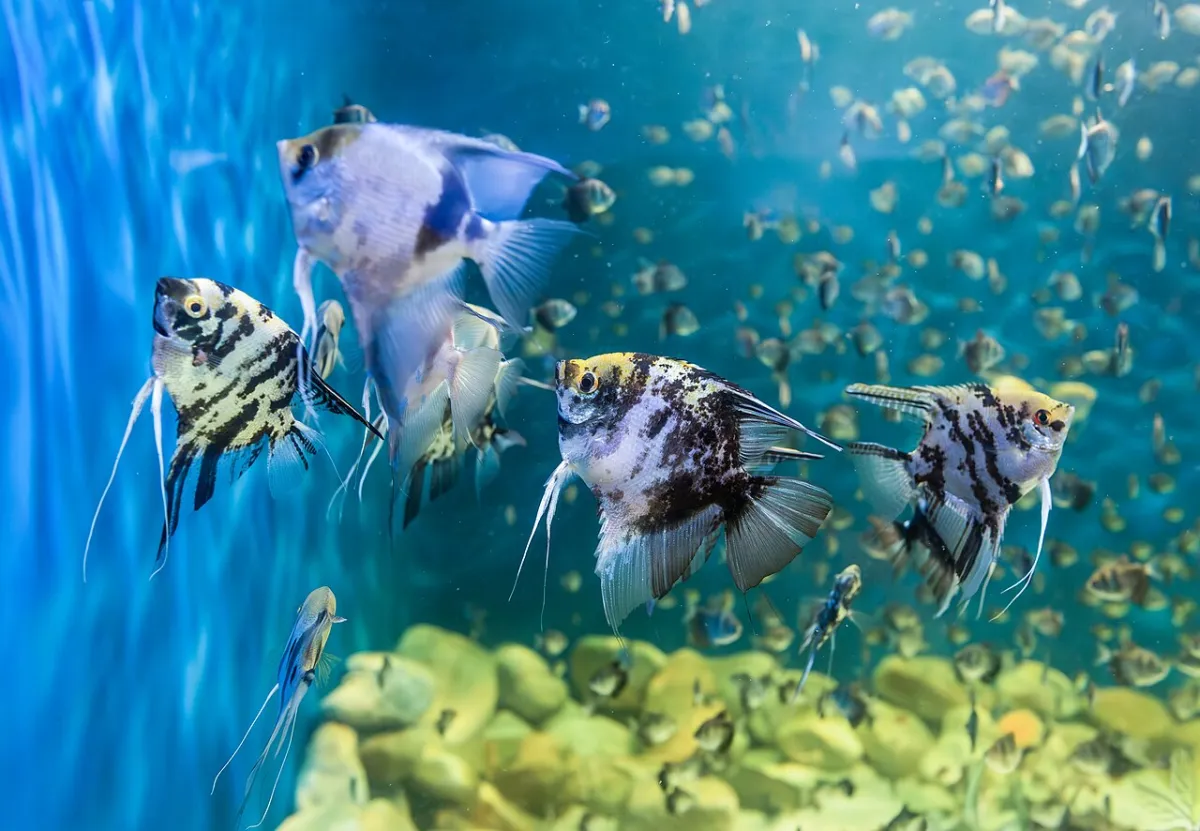
Freshwater · Intermediate
Pterophyllum scalare
Freshwater angelfish are tall Amazonian cichlids. They need height more than a long, low tank. About 30 gallons and 18+ inches of height for a pair is an indoor start.
Min. tank: 30 gal
Care notes →