Otocinclus (Otocinclus spp., often O. vittatus in the trade mix) stay about 1.5–2 inches. A school of 6+ belongs in a 20-gallon that has been running months with algae and biofilm, not a new 10-gallon sucker hire.
Peaceful schoolers. Keep a group of 6+ so they settle and graze together. Skip goldfish, cichlids, and anything that treats a 1.5–2 inch sucker as food.
Diet
Biofilm and soft algae first. When the glass is clean, offer blanched zucchini or green beans and sinking veg wafers. They are not a water-change replacement and starve in bare, new tanks.
Temperature
72–79 °F
pH
6.5–7.5
Hardness / salinity
Soft to moderately hard. Stable, mature water with real biofilm matters more than chasing a perfect pH.
School of 6+ in a 20 that already has biofilm
Shop bags labeled oto, Otocinclus, or dwarf suckermouth are usually a mix of Otocinclus species. O. vittatus shows up often in the trade; do not invent a species name from a photo. Adults stay about 1.5 to 2 inches. They are a true nano sucker, not a bristlenose and not a common pleco.
Twenty gallons is the floor for a group of six or more. They are social and look and act better in a school. The tank should already have been running for months with soft green film on glass, wood, and leaves. A sterile week-old kit with crystal-clear glass has nothing for them to eat.
Intermediate because shipping empties them out
Care difficulty is intermediate for one main reason: many otos arrive thin after days without real grazing. Buy plump fish with rounded bellies, quarantine when you can, and put them into a mature planted tank on day one, not into a bare quarantine bucket with no biofilm for a week.
Temps around 72–79°F suit most community mixes. Soft to moderately hard water with a working cycle is enough; they do not need a specialized blackwater setup. Leave the filter alone and keep ammonia and nitrite at zero before you add the school.
Feed when the glass goes clean
Soft green algae and biofilm are the staple. When the glass is wiped or the plants outcompete the film, offer blanched zucchini or green beans (weighted, pulled after a few hours) and sinking veg wafers. Leftover flake sinking to the sand is not a diet.
They are not a 10-gallon betta-kit algae fix and they do not replace water changes. A bristlenose is the larger Ancistrus wood-rasper for one adult in a 20-long; otos are the small school that works soft film in an established community. Pick the animal that matches the tank you already have.
Tank mates
Cherry shrimp and other peaceful invertebrates in a planted tank
Small tetras, rasboras, and peppered cories
Skip goldfish, most cichlids, and brand-new kits with no algae
Do not treat them as the only algae plan in a 10-gallon betta kit
Gear for this fish
A few listings we would open for this species. Skip anything you already own that still works.
hygger sponge filter, small
Gentle flow that leaves biofilm on glass and wood instead of blasting every surface clean. Right-sized for a 20 with a school of otos and shrimp-safe intake habits.
Needs an air pump, airline, and a check valve. Squeeze the sponge in old tank water only. Skip this if a baffled hang-on-back already holds ammonia at zero and the flow is not stripping the glass bare.
Sinking veg wafers with zucchini and algae meal fill the gap when the glass is clean. Feed what the school finishes in a few hours, then pull leftovers.
Blanched zucchini or green beans still belong in the rotation. Skip dumping a pile 'for the algae eaters'. Uneaten wafers foul a 20 fast. Same idea as any prepared food: small, regular portions.
Otos need a finished cycle and stable water. Liquid reagents for ammonia, nitrite, nitrate, and pH tell you the tank is ready before you add a school that already ships hungry.
Freshwater only. Skip strips as your only tool. If the bottles you already own are in date, you do not need another kit.
A school of at least six. Singles and pairs often hide, stress, and miss meals. Plan the bioload for the group, not for one 'algae eater' on the bag.
What size tank do Otocinclus need?+
A 20-gallon that has been running for months with algae and biofilm. They are a poor fit for a brand-new 10-gallon kit with nothing growing on the glass.
Do Otocinclus clean algae so I can skip water changes?+
No. They graze soft film and still produce waste. Test, vacuum, and change water like any other stocked tank. Feed wafers or blanched veg when the glass is clean.
Are Otocinclus the same as a bristlenose pleco?+
No. Otocinclus stay about 1.5–2 inches and want a school in an established tank. Bristlenose (Ancistrus) adults are roughly 4–6 inches and need driftwood plus wafers as one fish, not a six-pack of nanos.
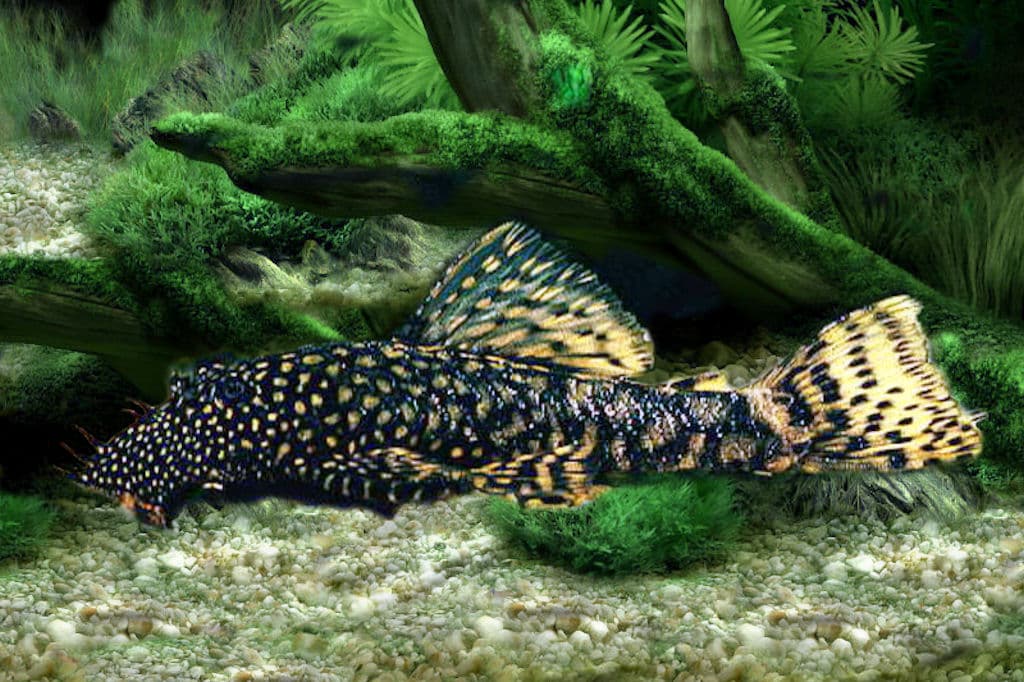
Bristlenose plecos (Ancistrus) stay about 4–6 inches. A 20-gallon long is the floor for one adult; 29–30 gallons is the comfortable home. They need driftwood and wafers. They are not a common pleco and not a janitor.
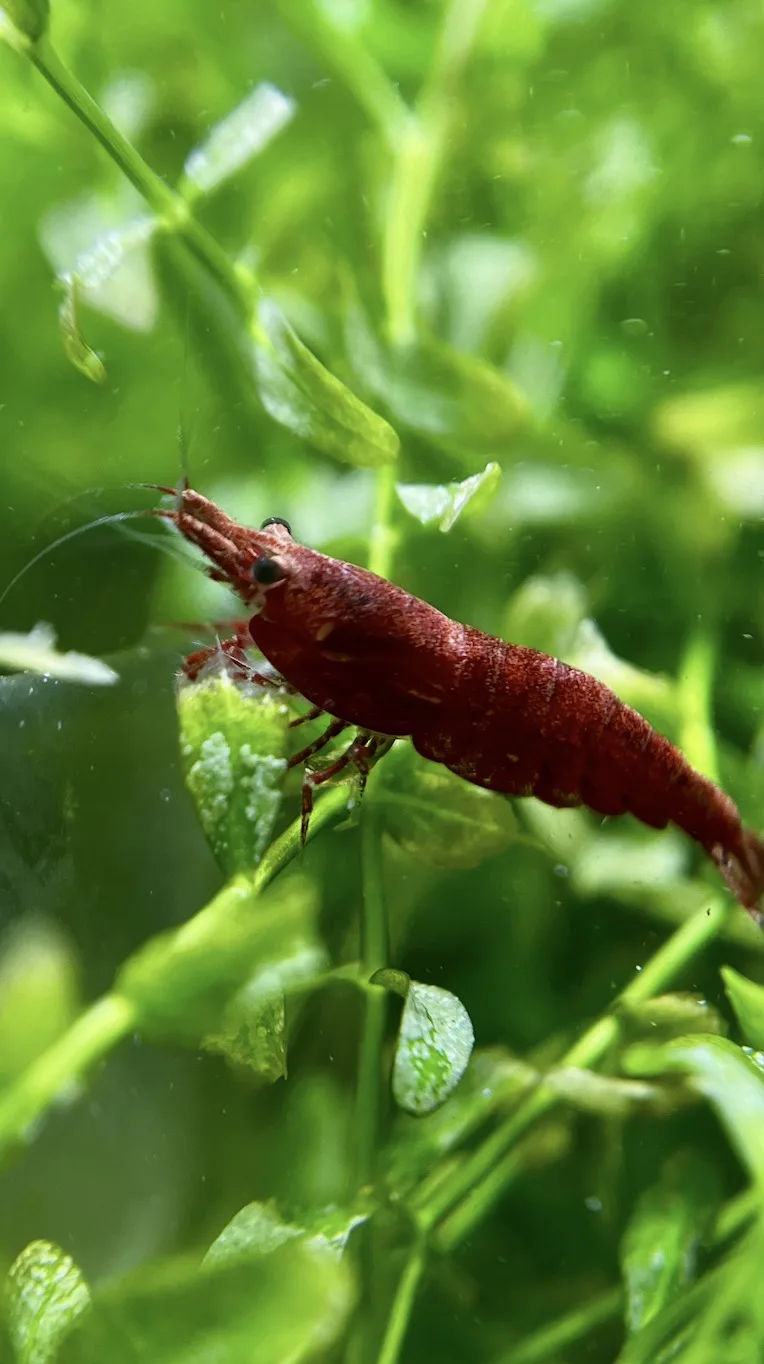
Cherry shrimp (Neocaridina davidi) are beginner invertebrates if the tank is cycled and copper-free. A starter colony of 10+ needs about 5 gallons; 10 gallons is easier. They need minerals for molting, not a second fish-page clone.
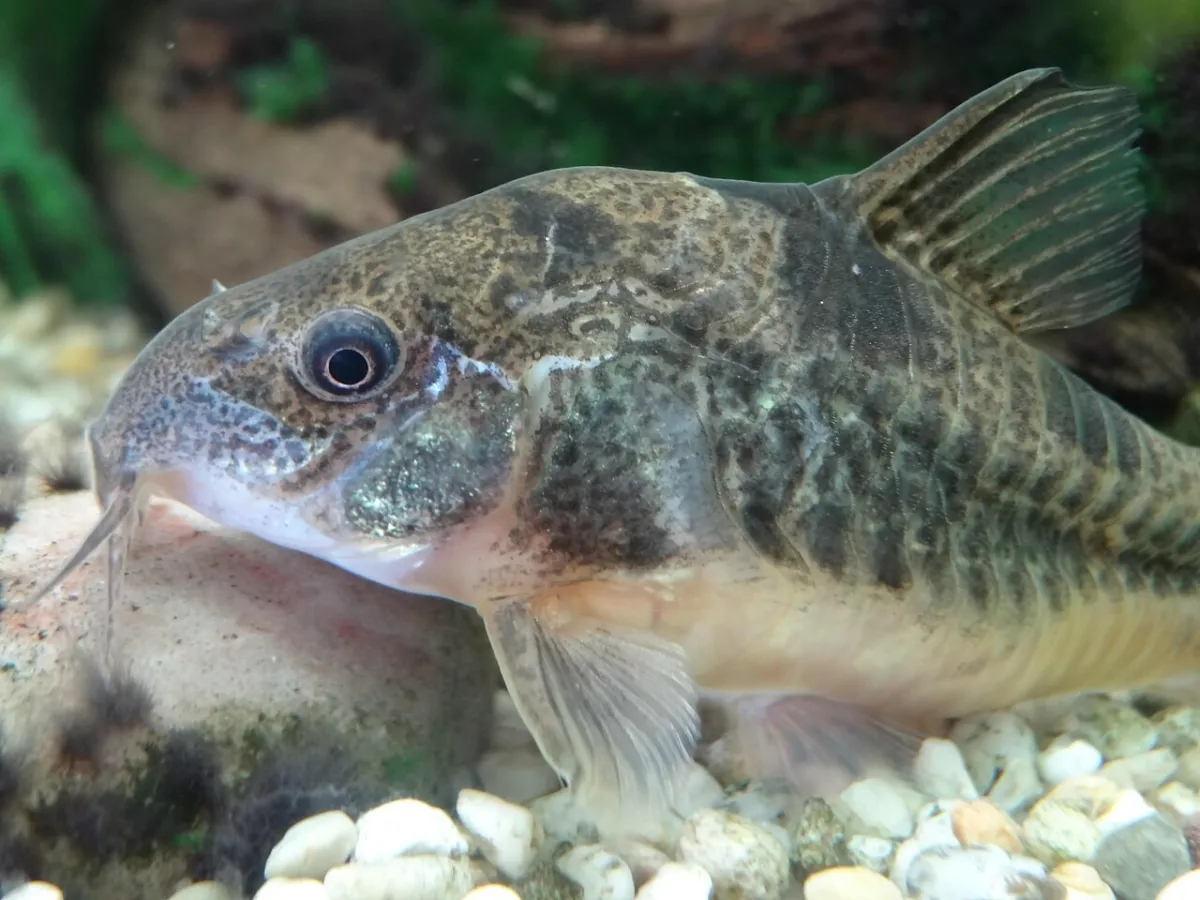
Peppered corydoras are social, sandy-bottom catfish. Keep a group of six or more in a 20-gallon tank with sand, not gravel that can nick their barbels.

_on_Malaysian_driftwood_3.jpg)