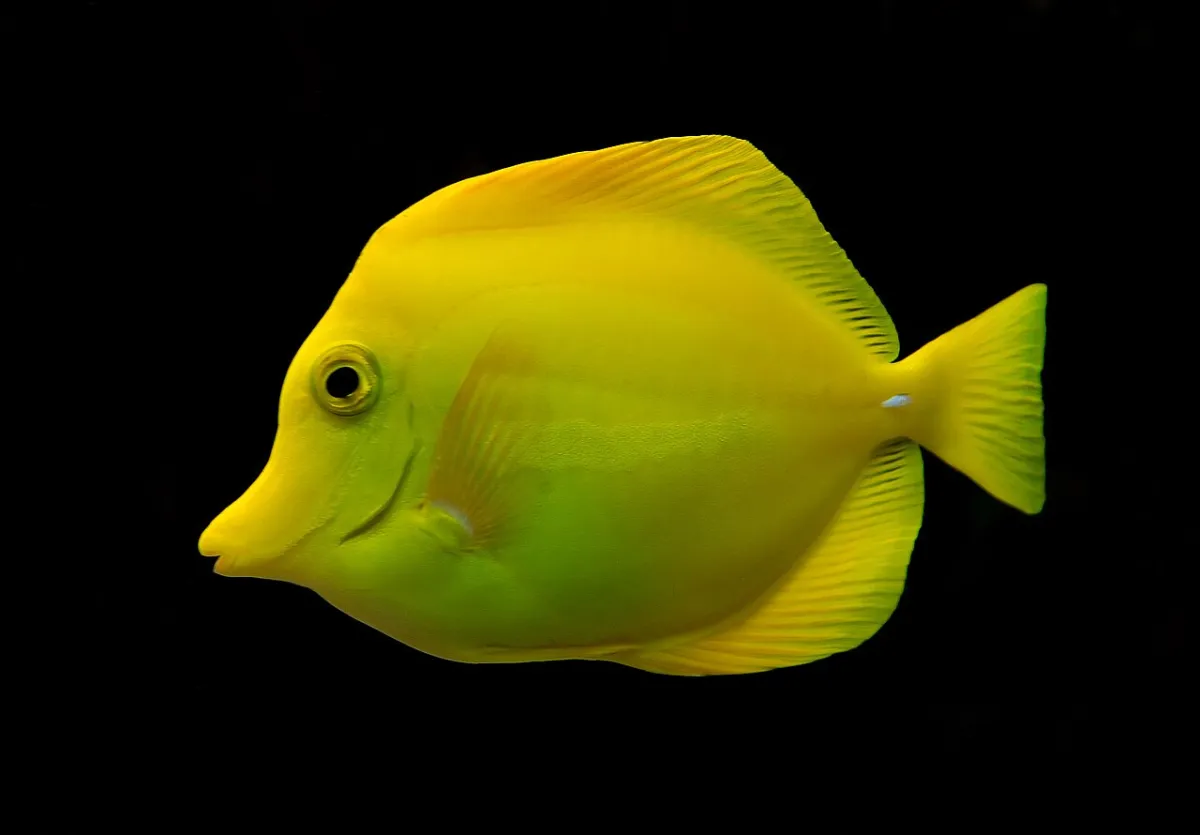
Yellow tangs are active Hawaiian surgeonfish that need swimming room, not a nano reef. A home-aquarium minimum is about 125 gallons with length to patrol and rock to graze.
Active grazer that can be territorial with other tangs, especially in undersized tanks. Usually reef-safe with corals, though it may nip at some fleshy LPS or clams when underfed.
Diet
Primarily herbivore. Offer dried nori daily, plus quality marine algae pellets or frozen herbivore preparations. Grazing on established rock is part of the diet. A sterile, new tank is a poor match.
Temperature
72–78 °F
pH
8–8.4
Hardness / salinity
Full-strength marine salinity around 1.024–1.026 specific gravity. Stable alkalinity and regular testing matter more than chasing a GH number.
Space is the husbandry
Zebrasoma flavescens stays under a foot, but it is built to cruise and graze all day. Retail tanks often show a single yellow tang in 40–75 gallons. That is a juvenile display, not a long-term plan. A hobbyist minimum is about 125 gallons, with as much horizontal swimming length as you can give. Six-foot tanks are a common recommendation.
If your tank is 75 gallons or smaller, choose a different fish. Crowding shows up as aggression, HLLE (head and lateral line erosion), and a fish that never settles.
Diet and rock
Yellow tangs graze film algae and nori. In a new, sterile tank they starve slowly even if you toss in pellets. Established live rock, a veggie clip, and a prepared herbivore food are the baseline. Feed nori often rather than one huge sheet once a week.
They have a scalpel-like spine at the tail. Netting and handling can injure the fish or you; use a container when you must move them.
Sourcing and ethics
This species has a long history of wild collection in Hawaii, with regulations that have changed over time. Prefer reputable sources, quarantine, and a tank that is actually ready. A yellow tang is not a 'starter marine fish' in the way a captive-bred ocellaris can be.
Ich and other parasites are common on wild-caught surgeonfish. Quarantine with a plan, not hope.
Tank mates
Peaceful to semi-aggressive community marines in a large reef or FOWLR
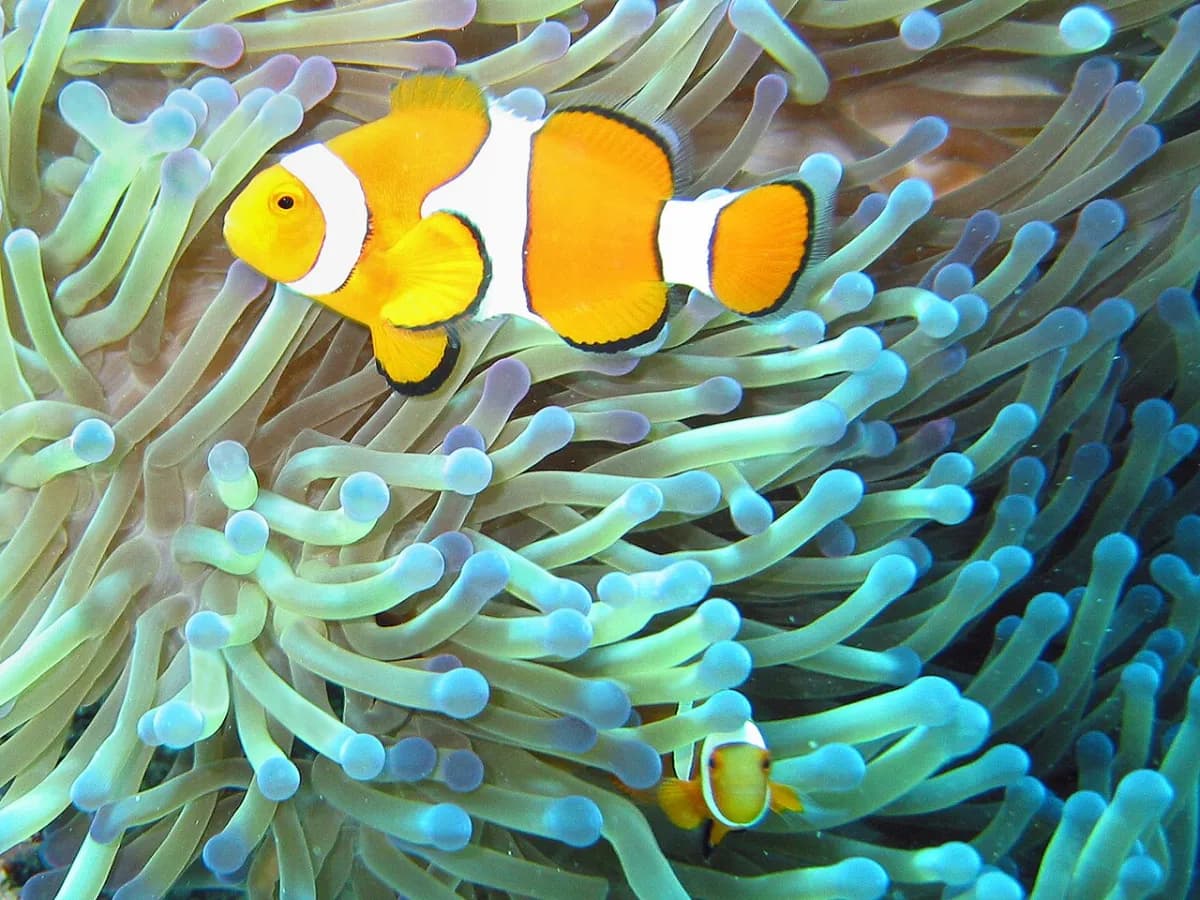
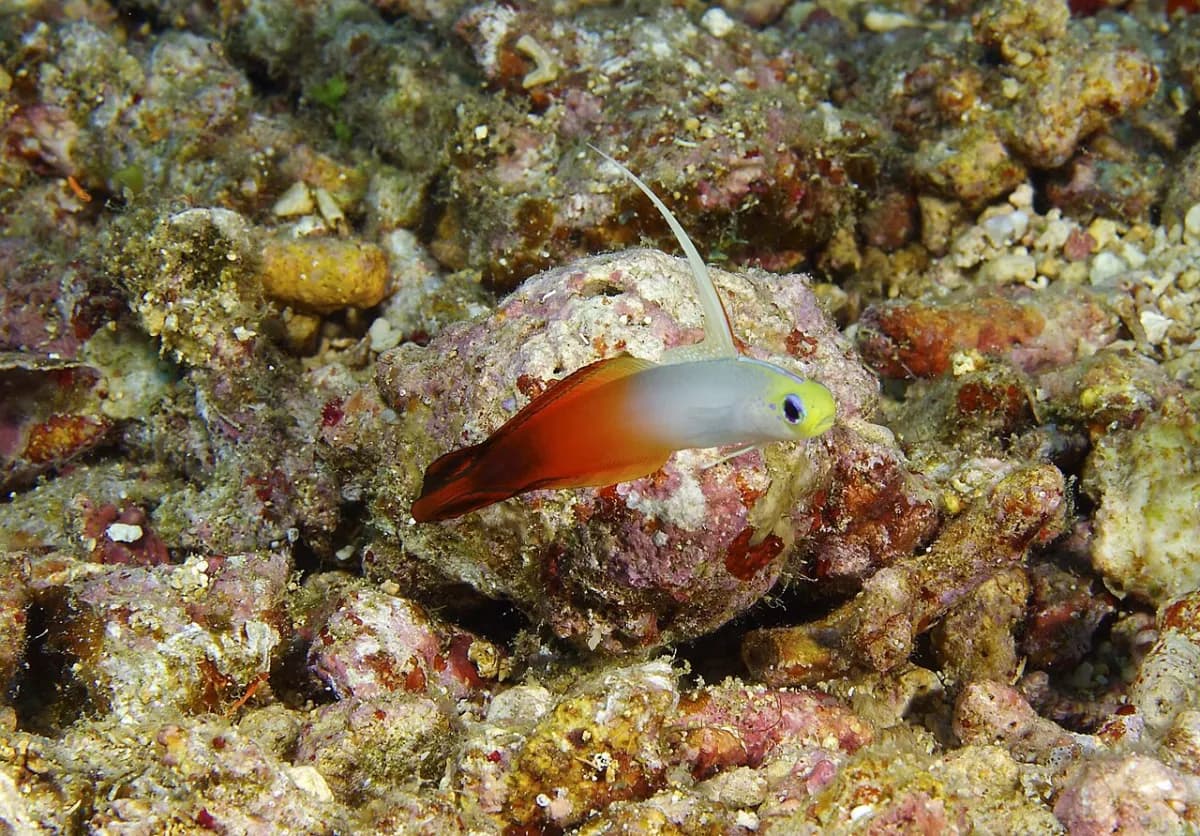
Clownfish, many wrasses, and gobies in appropriately sized systems
Other tangs only in very large tanks, added with a plan for territory
Avoid housing with large predatory fish that will hunt a tang
Gear for this fish
A few listings we would open for this species. Skip anything you already own that still works.
Two Little Fishies SeaVeggies Green, 1 oz
Yellow tangs graze. Dried nori daily is the usual staple, not a flake tossed in once. These green seaweed sheets are the listing we would open for a herbivore.
Clip a piece in the morning and take out what is left after a few hours. Skip this in a sterile new tank with no rock — they still need film algae and a tank that is actually 125 gallons. A veggie clip is cheaper than wasting sheets.
A 125-gallon marine tank still needs to sit in the mid-70s F. 300W is the large Pro size. Large tanks in cool rooms often run two heaters rather than one unit at the stop.
Skip a second heater if the room already holds that range. Do not use a 50W kit heater and hope. Confirm placement with a thermometer on the opposite end of the tank.
Water changes on a 125-gallon are not a cup of salt. A 50-gallon mix is the practical bag size. Mix in a dedicated container and match salinity before it goes in.
Skip mixing in the display. A hydrometer or refractometer is not optional. If you already buy a different marine mix by the bucket, stay on that mix rather than switching brands mid-tank.
Ocellaris clownfish are among the more forgiving marine fish, but they still need a cycled saltwater tank, stable salinity, and marine-level testing. A 20-gallon tank can house a pair; 30 gallons is more comfortable.
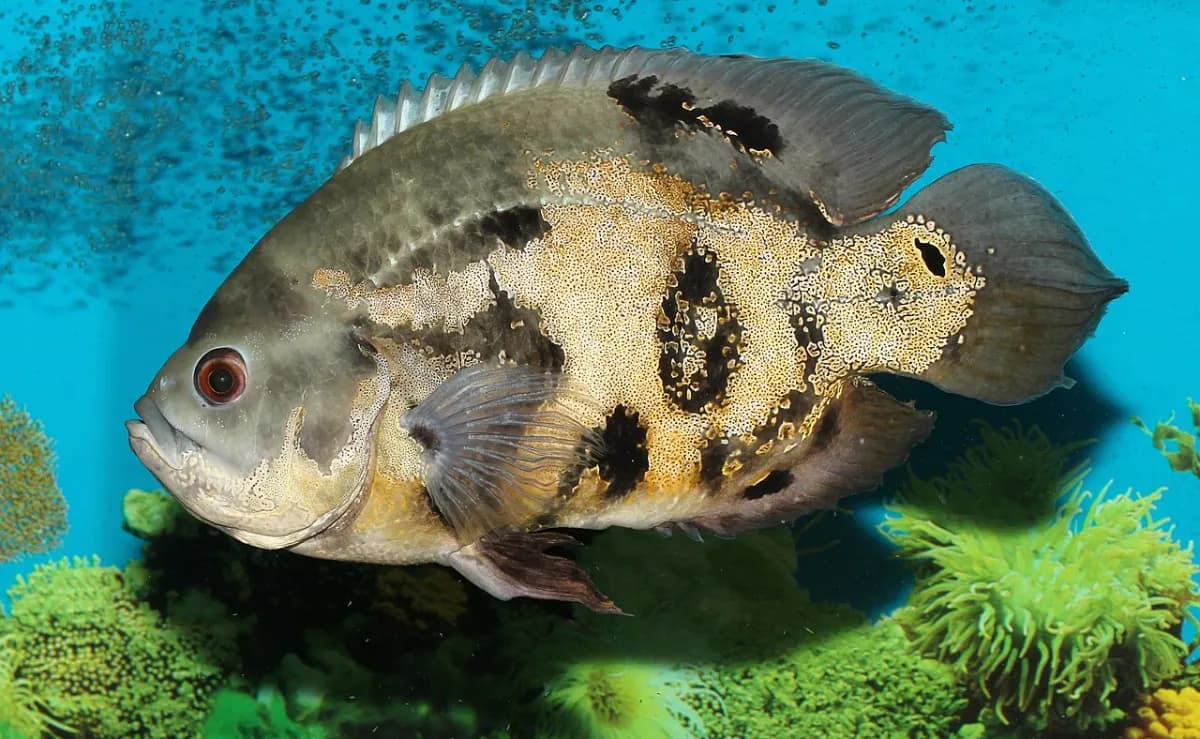
Oscars are large, messy cichlids for dedicated tanks. One adult needs about 75 gallons as a minimum, powerful filtration, and an owner ready for digging, waste, and a long-lived pet.