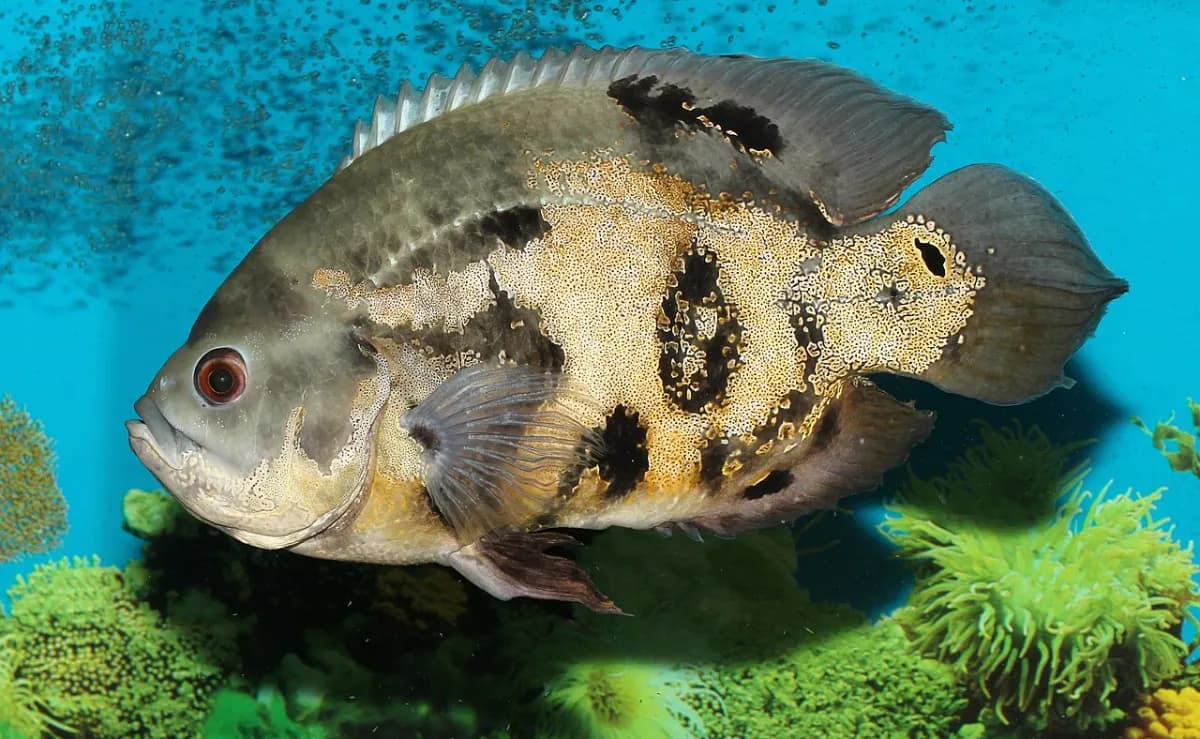
Oscars are large, messy cichlids for dedicated tanks. One adult needs about 75 gallons as a minimum, powerful filtration, and an owner ready for digging, waste, and a long-lived pet.
Large, intelligent, territorial cichlid. Adults eat smaller fish, rearrange décor, and do not belong in a community of tetras or livebearers.
Diet
Carnivorous. Quality large cichlid pellets as a staple, plus frozen krill, earthworms, and similar. Avoid a feeder-goldfish-only diet; it is nutritionally poor and can spread disease.
Temperature
74–80 °F
pH
6.5–7.5
Hardness / salinity
Soft to moderately hard (around 5–20 dGH). Heavy filtration and water changes matter more than exact hardness.
Adults commonly reach 10–14 inches
Astronotus ocellatus is sold as a cute juvenile in many chain stores. Adults commonly reach 10–14 inches. A 75-gallon tank is a minimum for a single adult; many keepers prefer 90–125 gallons so water quality and swimming room stay reasonable. A pair or mixed large cichlids need more.
If you cannot commit to that footprint, skip the oscar. There is no responsible 'grow-out in a 29 and see' plan without a real adult tank waiting.
Filtration and maintenance
Oscars are wet pets that eat a lot and produce a lot. Oversize canister filtration, strong flow, and large weekly water changes are the norm. Test ammonia, nitrite, and nitrate. Gravel vacuums will be part of your weekend.
They dig. Use décor that cannot topple onto the fish, and do not expect a planted aquascape to survive unless you choose very robust plants and heavy hardware.
Behavior and diet
Oscars recognize their keepers, beg, and can be accidentally injured by sharp ornaments. They will eat tank mates that were 'fine when everyone was small.'
Feed a prepared cichlid diet. Live feeder fish are an unnecessary disease risk and a poor staple. Hole-in-the-head and hexamita are associated with poor diet, crowding, and dirty water, not with a lack of garlic additives.
Advanced for a reason
The fish is hardy in the sense that it is not a delicate wild import. The husbandry is advanced because of size, waste, aggression, and lifespan (often a decade or more). Treat the purchase like adopting a medium-sized, aquatic dog.
Tank mates
Other large South American cichlids in very large tanks, with caution
Some keepers house oscars singly
Avoid tetras, guppies, angelfish, cories, and anything that fits in the oscar's mouth
A pair needs far more than 75 gallons
Gear for this fish
A few listings we would open for this species. Skip anything you already own that still works.
Fluval 407 canister filter
One adult oscar is a 75-gallon wet pet. A canister in the 50–100 gallon class is the usual way to keep up with the waste. This is the 07-series 407, model A449.
Confirm the 120V A449 listing before you buy. Skip this if you already run an FX-class canister. A pair needs more than one 407. Plan on big water changes either way.
A 75-gallon in a cool room will not hold the mid-70s F on a kit heater. 300W is the large Pro size, rated up to about 100 gallons.
In a warm house 200W can be enough. Skip a second heater if one unit already holds 76–78 F. Two oversized heaters without a controller is how tanks cook.
Prepared cichlid pellets are the staple. A feeder-goldfish-only diet is nutritionally poor and a disease vector. Oscars eat enough that a 2.2 lb bag is not a joke size.
Skip live feeders as the everyday food. Frozen krill or earthworms are extras, not the whole diet. Hole-in-the-head is a husbandry problem, not a missing garlic additive.
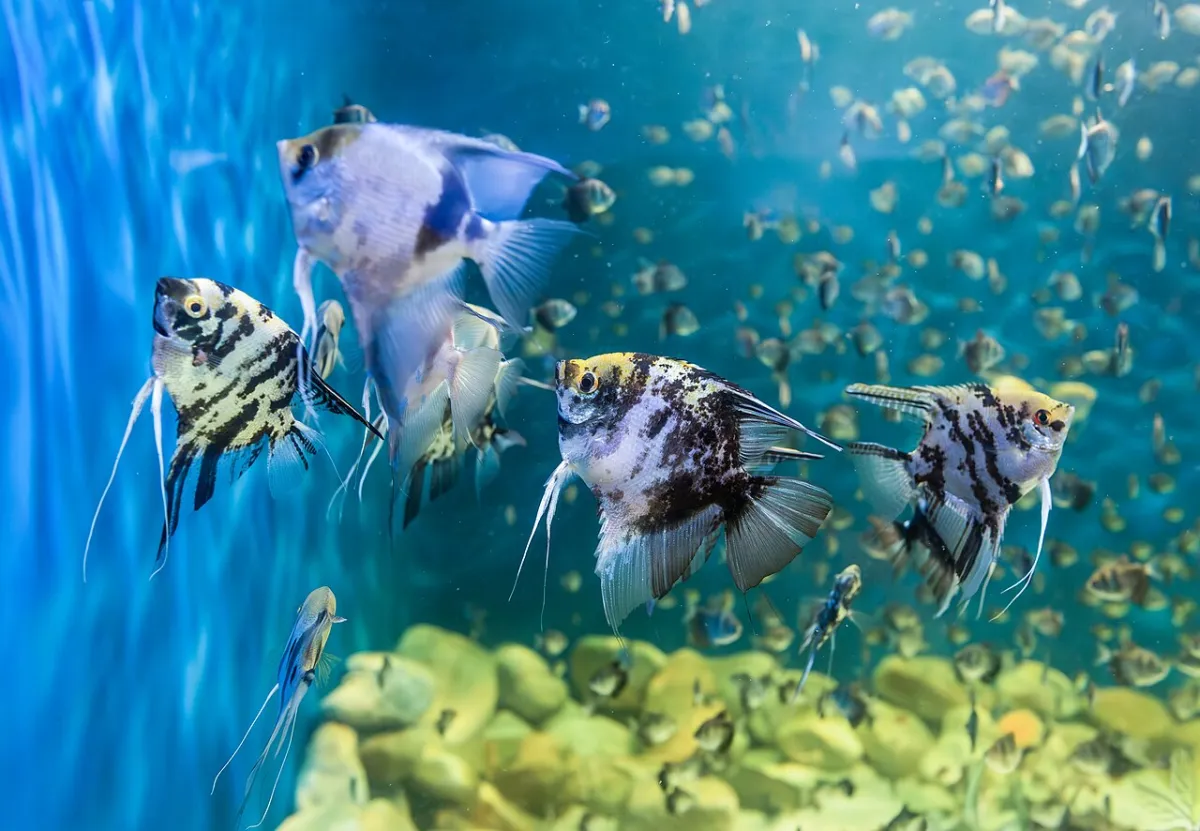
Freshwater angelfish are tall Amazonian cichlids. They need height more than a long, low tank. About 30 gallons and 18+ inches of height for a pair is an indoor start.
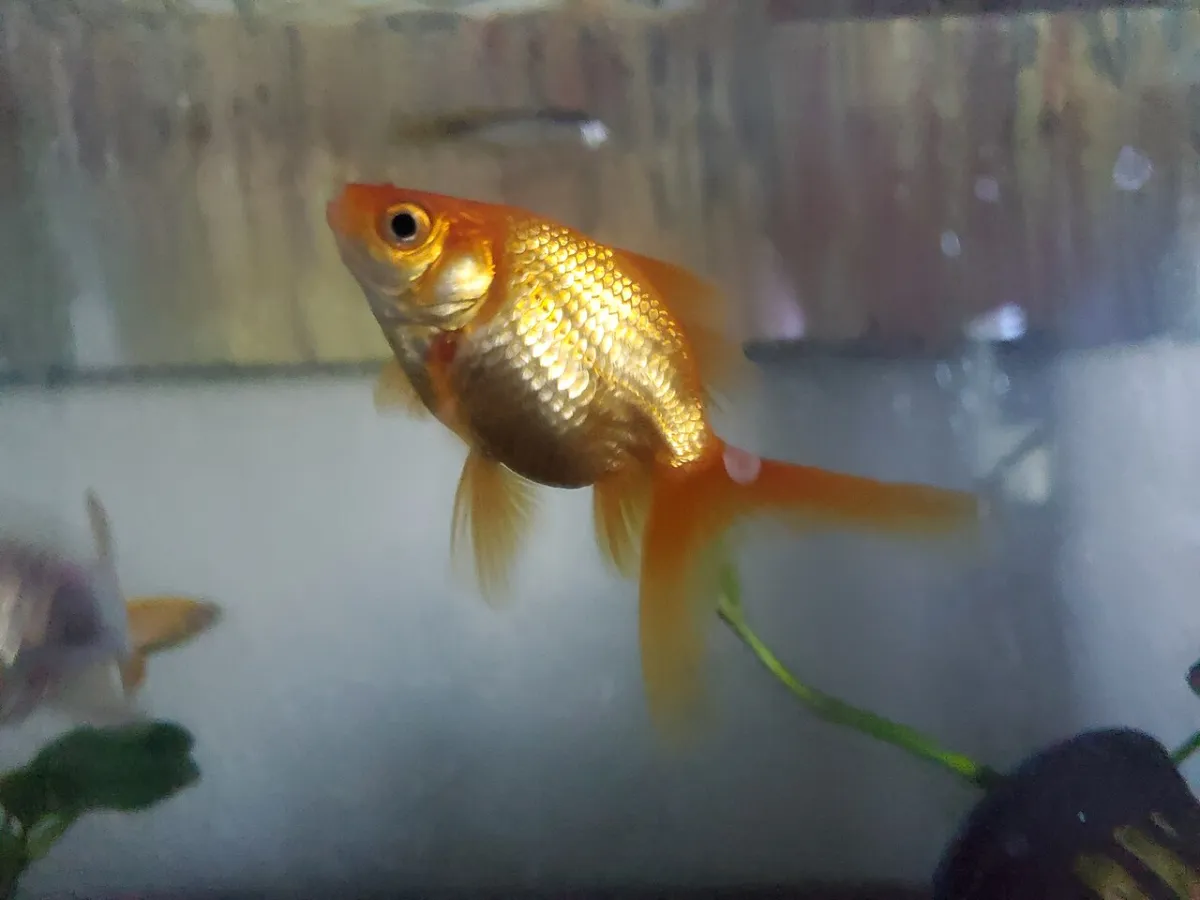
Goldfish are coldwater carp, not bowl ornaments. Fancy strains need tens of gallons and strong filtration; single-tail commons belong in very large tanks or ponds.
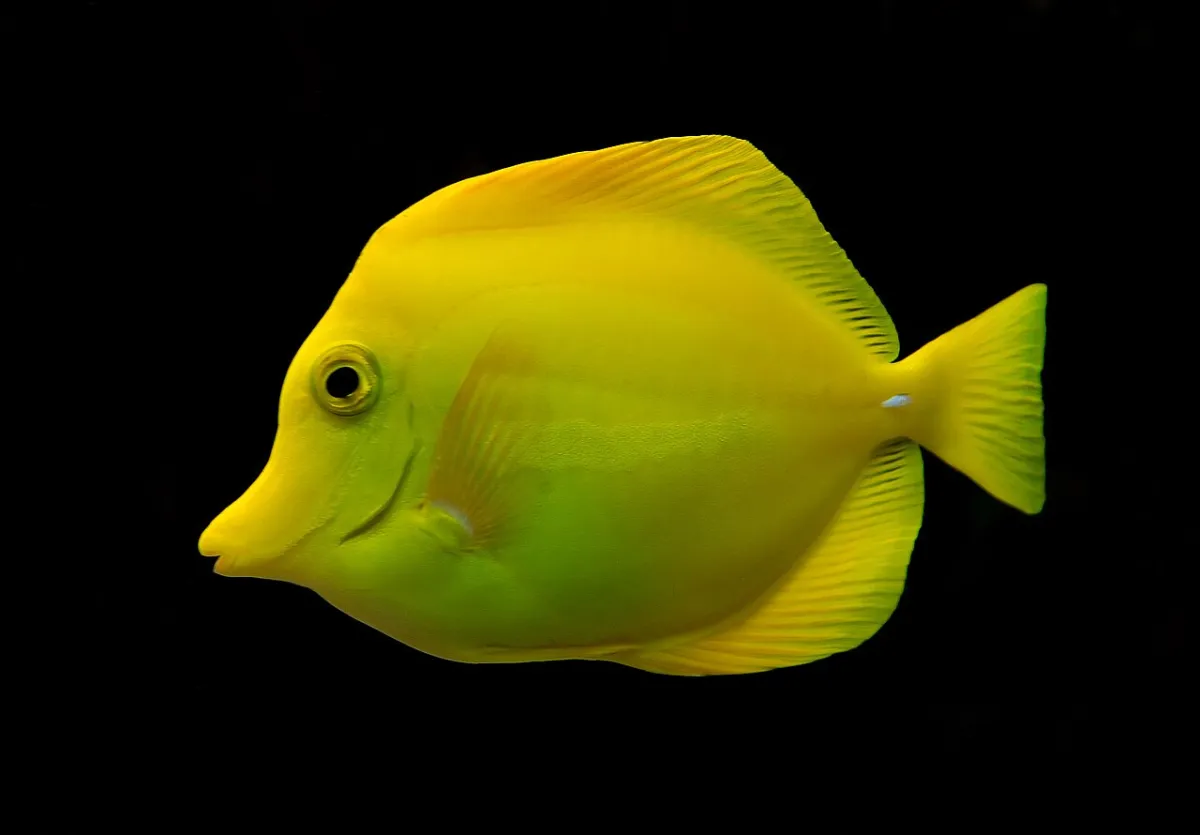
Yellow tangs are active Hawaiian surgeonfish that need swimming room, not a nano reef. A home-aquarium minimum is about 125 gallons with length to patrol and rock to graze.