Skip to content
Swimming FishiesFreshwater & saltwater care
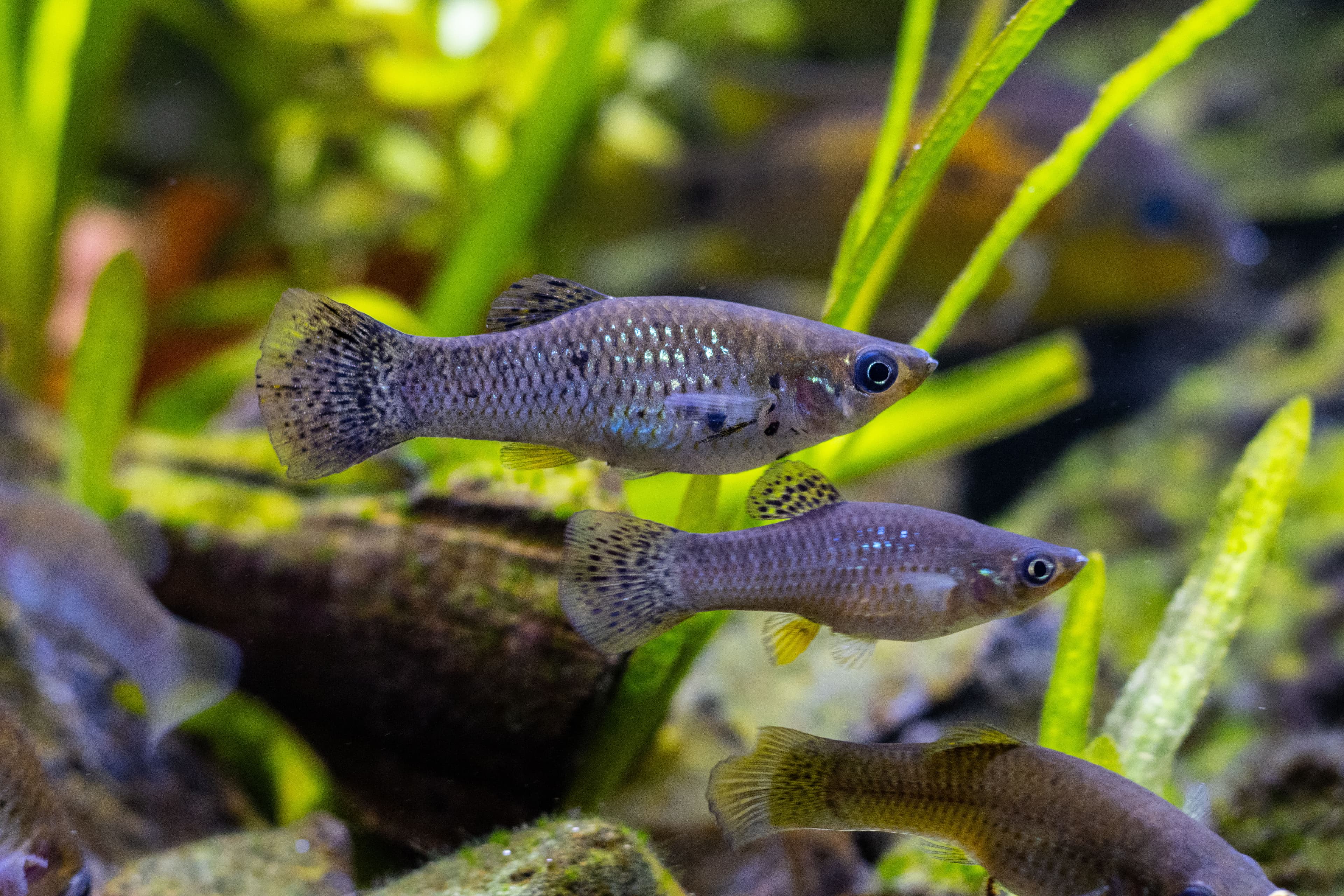
Wild-type common molly (Poecilia sphenops) with short dorsal fin swimming in clear water

Photo: Dnoerholm · CC BY-SA 4.0

Freshwater · Beginner · 20+ gal

Molly

Poecilia sphenops

Common mollies (Poecilia sphenops) are hardy, hard-water livebearers for a heated 20-gallon. Sailfins want 30+. Mixed sexes mean fry. Captive-bred stock lives in freshwater. They need minerals, not a permanent NaCl bath.

More freshwater care · Full directory

Care parameters for Molly
Water typeFreshwater
Care levelBeginner
Minimum tank20 gallons
TemperamentPeaceful livebearer. Males may chase females if the ratio is poor. They stay midwater and rarely bother calm tank mates. Sailfin strains need more room than short-finned commons.
DietOmnivore with a real plant component. Quality tropical flakes or micro pellets as a staple, plus blanched zucchini, spinach, or spirulina flakes a few times a week. Occasional frozen brine or daphnia is fine. They are not a cleanup crew.
Temperature72–80 °F
pH7.5–8.2
Hardness / salinityHard, alkaline water with real GH (often 15–30 dGH). Soft, acidic tanks built for neon tetras are a poor long-term match. Minerals matter more than a permanent salt dose.

20 for commons, 30+ for sailfins

Shop mollies labeled Poecilia sphenops (short-finned commons) stay around 3 to 4 inches. Twenty gallons is the floor for a small mixed group. Once fry and bioload show up, weekly water changes matter more than the gallon number on the sticker.

Sailfin mollies (Poecilia latipinna and the larger P. velifera) grow taller dorsals and want more swimming length. Plan 30 gallons or more for sailfins. A short 20 stuffed with adult sailfins is a crowded, shimmy-prone tank, not a bargain.

Hard water first, salt last

Mollies come from coastal and brackish-adjacent waters in the wild, which is why the salt myth sticks. Captive-bred commons live fine in freshwater if the water is hard and alkaline, roughly pH 7.5–8.2 with solid GH. Soft RO topped with nothing will stress them. Minerals beat a permanent aquarium-salt décor dose.

Temperatures in the 72–80 F range suit most tropical rooms. Keep a real thermometer on the glass. Cold mornings and soft tap together are a classic way to get the side-to-side shimmy.

Shimmy, balloons, and fry

A molly that rocks in place without moving forward is usually telling you about temperature, hardness, or new-tank stress, not a mysterious disease of its own. Warm the water into range, check GH and pH, and give new arrivals a settled, cycled tank. Do not stack random medications on a chemistry problem.

Balloon mollies are short-bodied strains with a rounded profile. Some individuals carry a higher swim-bladder risk: uneven swimming, floating, or sinking without a clear water-quality cause. Buy healthy fish, avoid overfeeding, and treat the balloon shape as a trade-off, not a free upgrade.

Mixed sexes produce fry. A female can drop broods for months after a mating. Keep males only if you want a quiet population, or plan to rehome and increase water changes. Dense plants give fry a chance; most community tanks will eat many of them.
Tank mates

  • Platies, guppies, and other calm livebearers
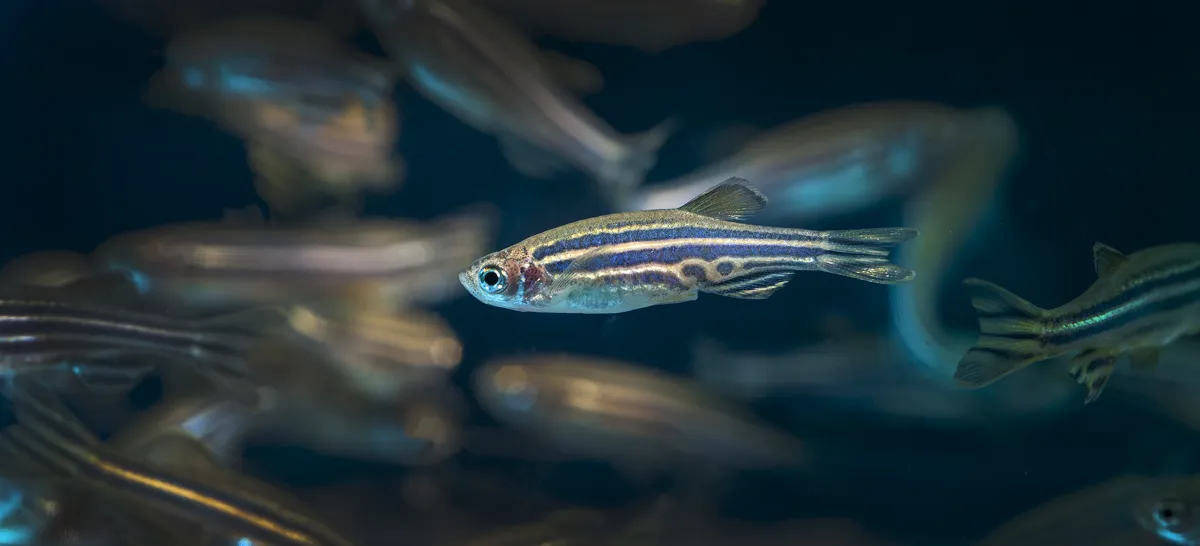
  • Zebra danios and other peaceful midwater schoolers
  • Peppered cories on sand
  • Avoid nippy barbs, male bettas, and large cichlids

Gear for this fish

A few listings we would open for this species. Skip anything you already own that still works.

  • Aqueon Pro adjustable heater, 100W

    Mollies are tropical livebearers in the 72–80 F range. A 20-gallon group wants a real adjustable heater. 100W is the Pro size for a 20 in a normal room.

    Use the 50W Pro only if the tank is smaller and a thermometer already holds the mid-70s. Skip a second heater. Still put a separate thermometer on the glass.

    See this listing
  • TetraMin Tropical Flakes, 7.06 oz

    They are midwater omnivores that will finish a basic tropical flake. Small portions beat a blizzard on the gravel. Add plant matter a few times a week.

    Blanched zucchini, spinach, or a spirulina flake covers the plant side. Skip this if you already feed a quality flake or micro pellet they clean up. Leftover flake is how tanks crash.

    See this listing
  • PAIZOO stick-on digital thermometer

    Hard-water livebearers still need a real number on the glass. Stick-on digital read outside the tank tells you the heater dial is not lying. Useful when you are chasing a shimmy.

    Place it away from the heater. A clip-on glass thermometer is fine if you already have one.

    See this listing

Frequently asked questions

Do mollies need salt?+

No permanent NaCl dose for captive-bred commons. They need hard, mineral-rich freshwater. Salt is optional short-term medicine in some protocols, not décor. Soft water is the usual failure mode, not a missing salt shaker.

What size tank do mollies need?+

Twenty gallons for a small group of common short-finned mollies. Thirty gallons or more for sailfins (P. latipinna / P. velifera). Bigger is easier once fry add bioload.

Why is my molly shimmying?+

Usually cold water, soft or unstable chemistry, or stress after a move into a new tank. Fix temperature and hardness first. Medication is not the first lever.

Will mollies have fry?+

Yes, if you keep males and females together. Same livebearer math as platies and guppies: plan for it or keep one sex.

Related species

Rainbow wag platy (Xiphophorus maculatus) female with dark fins and iridescent body swimming over gravel

Freshwater · Beginner

Platy

Xiphophorus maculatus

Platies are hardy, hard-water livebearers for a heated 15-gallon (20 is easier). Mickey Mouse, wagtail, and sunset are color strains, not different care. Mixed sexes mean fry.

Min. tank: 15 gal

Care notes →
Cobra guppy (Poecilia reticulata) male with colorful body and patterned caudal fin

Freshwater · Beginner

Guppy

Poecilia reticulata

Guppies are colorful, active livebearers for a heated 10-gallon (or larger) community, with one caveat: mixed sexes will produce fry, often lots of them.

Min. tank: 10 gal

Care notes →
Zebra danio (Danio rerio) with classic blue and gold horizontal stripes swimming in a school

Freshwater · Beginner

Zebra danio

Danio rerio

Zebra danios are hardy, fast-swimming beginners that want a school of six or more. Ten gallons is a tight floor. A 20-gallon long gives them the horizontal lane they actually use.

Min. tank: 10 gal

Care notes →